Trump’s Easter Dinner Invite: A Threat or a Plea?
Donald Trump's invitation to Republican lawmakers for an Easter dinner at the White House was reportedly viewed as a threat rather than a friendly gesture. He warned them against leaving town for recess before passing the "Save America Act." This incident highlights the power dynamics within the Republican party and the complex pressures faced by elected officials.

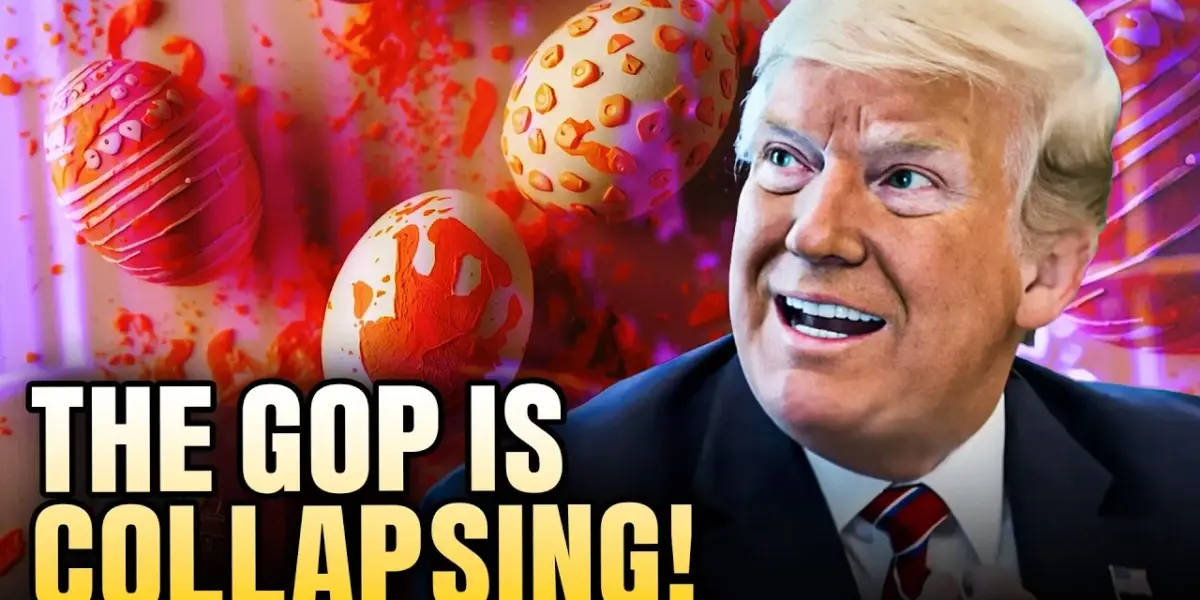
Trump’s Easter Dinner Invite: A Threat or a Plea?
With Easter just around the corner, Donald Trump extended an invitation to Republican lawmakers. He asked them to join him for an Easter dinner at the White House. The stated purpose was to discuss the importance of passing the “Save America Act.” However, many Republican lawmakers reportedly saw this invitation not as a friendly gesture, but as a direct threat. This comes as Congress typically heads into a spring recess around this time of year.
Trump’s message, delivered both verbally and on his social media platform Truth Social, was clear: lawmakers should not leave town for their break until the Save America Act is passed. He warned that if they did leave, they would face public criticism. The invitation to dinner, therefore, seemed to carry an ultimatum. Some Republicans apparently felt that bringing their families to such an event would mean enduring public scolding from Trump.
This situation highlights a recurring dynamic in politics. Leaders sometimes use social events or public appearances as a way to pressure their colleagues. The idea is to leverage personal relationships or public platforms to achieve legislative goals. In this case, Trump appears to have used the upcoming holiday and a celebratory meal as a backdrop for demanding legislative action. It’s a tactic that can be seen as either strong leadership or heavy-handed coercion, depending on one’s perspective.
Historical Context: Pressure and Politics
Political leaders have long used various methods to rally support and pressure opponents. From public rallies to private meetings, the goal is often to secure votes or influence policy. The use of social gatherings, like a holiday dinner, to push a political agenda is not entirely new. It taps into the idea of obligation and hospitality, creating a situation where refusing the invitation might be seen as a snub, while accepting it means facing potential criticism in a very public setting.
The transcript mentions a past event involving Sean Spicer, Trump’s former press secretary, dressing up as the Easter Bunny during his first term. While seemingly a lighthearted anecdote, it also points to how the Trump administration used holiday events for public relations. The image of Spicer in a costume, with Trump nearby, has become a memorable, if somewhat unusual, part of that era’s political imagery. This connection, however brief, adds a layer of historical context to how holidays and public appearances were managed during Trump’s presidency.
Differing Perspectives: Threat or Opportunity?
The core of the controversy lies in how the invitation was perceived. For many Republicans, it felt like a threat. They saw it as a way to humiliate them, especially if they didn’t fall in line with Trump’s demands. The idea of sitting through a dinner where they might be publicly chastised in front of their families was unappealing. Many would prefer to go home and celebrate the holiday with their families without political pressure.
On the other hand, the transcript suggests an alternative view. It argues that if these lawmakers were truly united, they could turn the situation around. Instead of being humiliated, they could potentially humiliate Trump. By banding together, they could present a united front, making him the one who appears to be in a difficult position. The argument is that many of these lawmakers are up for re-election, giving them a strong incentive to stand up for themselves and their jobs. Trump, on the other hand, is not currently facing an election, suggesting his motivations might be more ego-driven.
Why This Matters
This incident speaks to the ongoing influence Donald Trump holds over the Republican party. His ability to command the attention and, to some extent, the loyalty of elected officials is evident. The fact that an invitation to a holiday dinner is perceived as a threat reveals the power dynamics at play. It shows how political pressure can be exerted through personal appeals and public warnings.
Furthermore, it highlights the challenges faced by politicians caught between party loyalty, personal convictions, and the demands of a powerful figure. The decision of whether to attend such an event, and how to react if they do, becomes a complex political calculation. It impacts their standing with Trump, their base, and their colleagues.
Implications and Future Outlook
The long-term implications of such tactics are significant. They can shape legislative outcomes and influence the behavior of politicians. If lawmakers consistently feel pressured rather than persuaded, it can lead to an environment of fear and compliance. This can stifle independent thought and critical debate within the party.
Looking ahead, the way Republican lawmakers respond to these kinds of pressures will continue to be a key story. Will they find ways to assert their independence, or will they continue to navigate the demands of figures like Trump? The “Save America Act” itself, whatever its merits or flaws, becomes secondary to the political maneuvering surrounding its potential passage. This incident serves as a reminder that in politics, the messenger and the method can be just as important as the message itself.
Source: Dementia Donnie Sends Easter THREAT To Republicans (YouTube)

Related Articles

Global Leaders Warn Trump on War Plans, NATO Future
World leaders are issuing stern warnings to Donald Trump about his war strategies and commitment to NATO. Concerns include a lack of clear plans in Middle East conflicts and alleged Russian-Iranian cooperation targeting US forces. Allies question the future of alliances as geopolitical tensions rise.

Iran’s ‘Enormous Patience’ Could Test Trump in Negotiations
Iran possesses 'enormous patience' and may prolong negotiations with President Trump, according to former British Ambassador Matthew Gold. He detailed Iran's unique negotiating tactics, emphasizing their high 'threshold for pain' and strategic use of proxies. Gold advised that successful talks require a long attention span, a quality that could challenge the U.S. president.

Trump’s Iran War Claims: Diplomacy or Delusion?
President Trump's claims about winning the war with Iran and ongoing peace talks are met with denials from Iranian officials. His communication style blurs decision-making and public messaging, creating confusion. This raises concerns about strategic clarity and accountability in international crises.