Millions Protest ‘Authoritarian Power Grabs’ in ‘No Kings’ Rallies
Millions of Americans participated in 'No Kings' protests across all 50 states to oppose President Trump's perceived authoritarian actions. The movement is growing, with a diverse range of participants and a focus on translating public anger into sustainable political action. Despite widespread frustration, the protests have been marked by a joyful and nonviolent spirit.

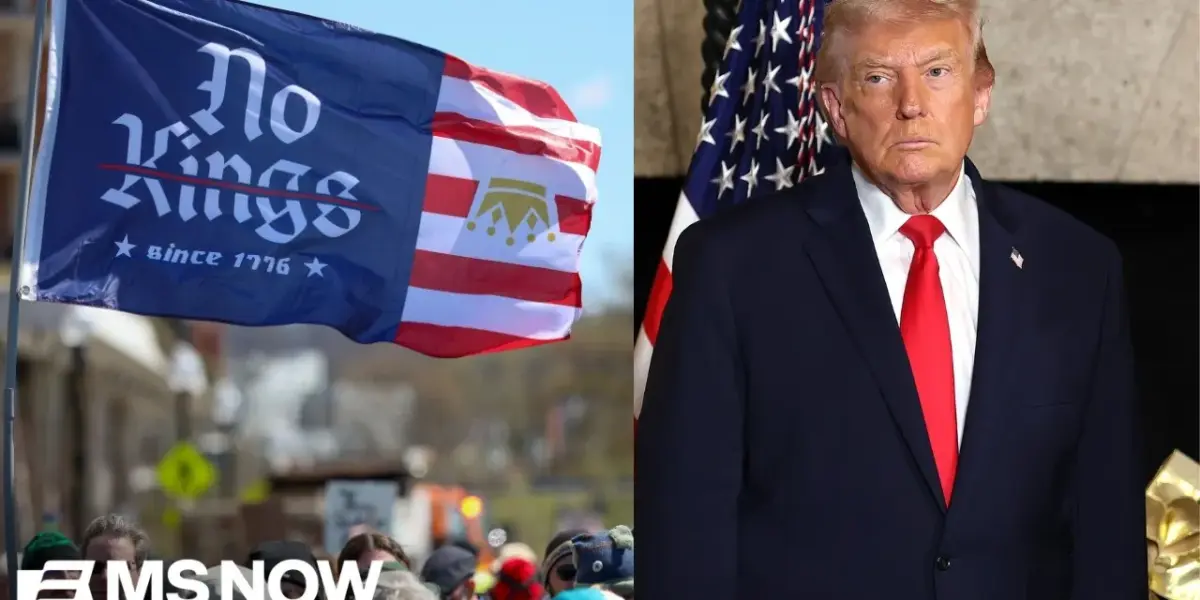
Millions Rally Nationwide Against Perceived Authoritarianism
Millions of Americans took to the streets in all 50 states and Washington D.C. on Saturday for coordinated “No Kings” protests. Organizers reported over 8 million attendees at more than 3,300 demonstrations. The rallies were aimed at opposing what participants called President Trump’s “authoritarian power grabs.” Major turnouts were seen in cities like St. Paul, Minnesota, New York City, and Los Angeles. Protests also occurred in smaller towns and even rural Republican communities, showing a broad base of dissent.
Movement’s Future: From Protest to Political Action
A key question following the massive turnout is what comes next for the movement. Organizers and analysts are exploring how to translate this “collective catharsis” into a sustainable political force, especially with the November midterms approaching. Some suggest planning another large-scale event, perhaps in the summer or fall, to further galvanize support. The ability of the movement to build momentum organically from the grassroots, driven by genuine public anger rather than professional organizers, suggests significant staying power.
Shifting Demographics and Messaging
The protests have seen a notable shift in demographics, evolving from an initial base that was primarily female, affluent, and white to a more diverse and mixed-gender crowd. This progression is seen as a positive sign for a growing protest movement. Experts note that the anger expressed is not solely directed at Republicans but also at the perceived inaction of both Republican and Democratic lawmakers. There’s a call for elected officials to take a stronger stand and fight more aggressively, reflecting the sentiment of those on the ground.
“The reason that you see so many people out on the streets today is because when we are bombing Iran, when Israel is bombing Lebanon, they say he wouldn’t start wars, say he’d bring peace to the Middle East. Now look at us. We’re further from peace and closer to catastrophe than ever before.”
Joyful Resistance Amidst Anger
Despite the strong emotions and anger fueling the protests, a recurring theme has been the joyful and humorous nature of the demonstrations. Participants are finding ways to voice their dissent and fight back against adversity in a nonviolent and positive manner. This joyful approach, even when facing personal hardships affected by the administration, has characterized the events. It’s seen as a productive way to channel frustration without resorting to performance or aggression.
Former Republican Voices Concerns
Former Republican Congressman Joe Walsh, now a Democrat, highlighted the urgency felt by protesters. He noted that people are expressing frustration not just with the Trump administration but also with the performance of lawmakers on Capitol Hill. Walsh believes the current situation represents a real and growing threat, echoing fears about potential government tyranny that once fueled the Tea Party movement. However, he stressed that the current “No Kings” movement is significantly larger and more diverse than the Tea Party.
“We have a king, we have tyranny right now. And as joyous as everybody was yesterday, there is a fear. This is here, now.”
Right-Wing Media’s Reaction
Analysis of right-wing media’s reaction to the protests shows a shift compared to previous events. While coverage was less prominent, a key narrative pushed has been that the protests are fake and orchestrated by paid demonstrators or shadowy forces. This narrative aims to discredit the authenticity of the movement by suggesting external funding and manipulation. However, the diverse and widespread nature of the protests, coupled with their joyful tone, appears to challenge this portrayal.
Lessons for Democrats and the Path Forward
For Democrats, the protests offer valuable lessons. Messaging that inspires people to take action, especially those who have never participated in protests before, is proving effective. The “long tail” of this engagement, seen in people running for office or participating in special elections, suggests a lasting impact. The sentiment that “they finally decided to do something” resonates widely. Furthermore, the ability for protesters to organize and take tangible steps after the demonstrations is crucial for sustained momentum. Some express disappointment that elected officials, both Republican and Democratic, are not showing more outrage or taking a stronger stand to protect democracy.
Veteran’s Strong Condemnation
Vietnam War veteran Philip Stone voiced strong condemnation of Republican lawmakers who he believes are enabling “authoritarian behavior.” He described President Trump as a “wannabe dictator” and even a “traitor” for actions he views as unconstitutional. This sentiment of betrayal and disappointment is reportedly widespread, leading to significant fear among Republican politicians. Several have reportedly chosen not to seek re-election, signaling a potential impact on the upcoming midterm elections.
Source: 'Tyranny is here’: Momentum picks up to defy Trump as millions rally in ‘No Kings’ protests (YouTube)

Related Articles

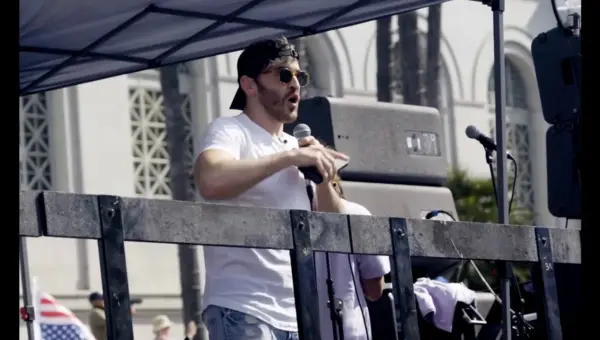
Protestors Demand Accountability: Is This the Turning Point?
A massive protest, dubbed the largest in American history, has issued a strong call for political accountability and sustained citizen engagement. Speakers urged attendees to become messengers, aiming to translate protest energy into electoral victories through 2028. The movement envisions a future with universal healthcare, climate action, and a focus on domestic needs.
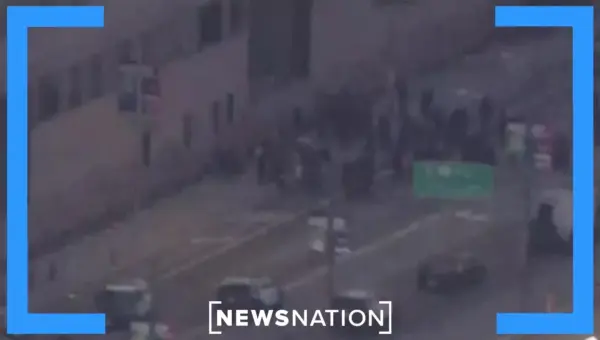
Protests Surge Against Trump Policies Nationwide
Tens of thousands protested President Trump's policies nationwide in "No Kings" rallies. While most events were peaceful, clashes occurred in Los Angeles. Protesters voiced concerns over immigration, foreign policy, and economic inequality.

Miller’s Rage Hospitalizes ICE Chief: A White House Meltdown
Stephen Miller's aggressive tactics reportedly led to the hospitalization of ICE chief Todd Loins multiple times. This situation highlights intense pressure within the Trump administration and controversial ICE operations, sparking public protests and debate over executive authority.