Tiger Woods’ Legal Woes Deepen Amid DUI Arrest
Tiger Woods was arrested for DUI in Florida after a rollover crash, adding to his history of driving-related incidents and substance abuse concerns. Legal experts question the strength of the case, while medical professionals highlight potential issues with pain management and addiction. The situation casts a shadow over his potential golf comeback.

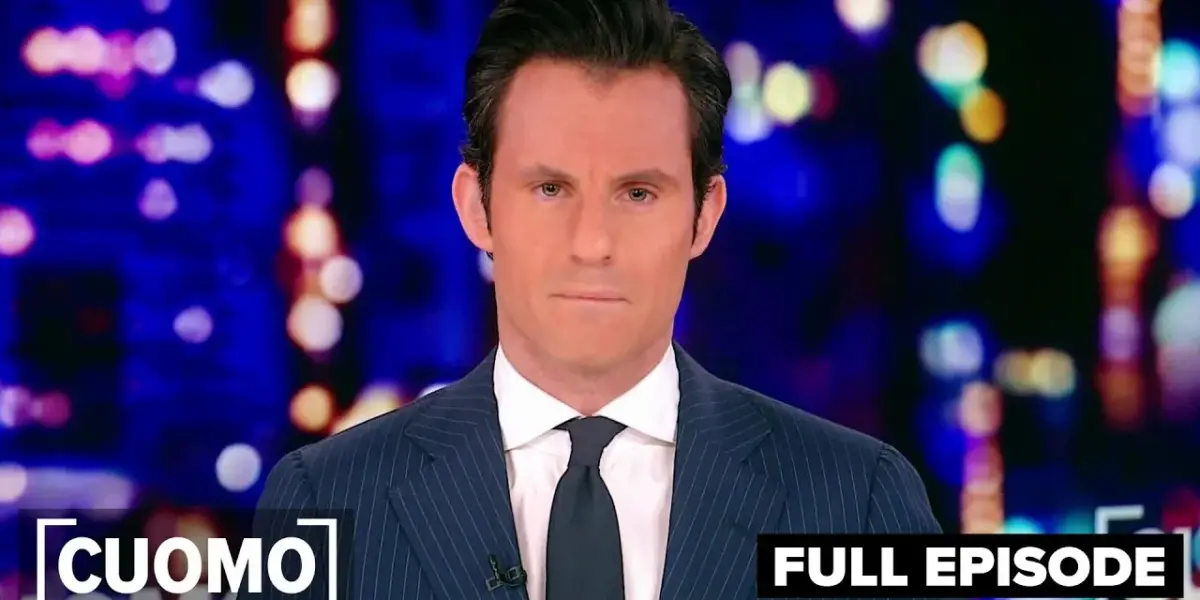
Tiger Woods Arrested for DUI in Florida
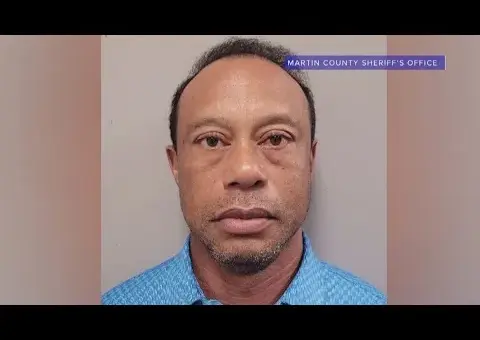
Golfer Tiger Woods was arrested in Florida following a rollover car crash near his home in Jupiter Island. The incident occurred around 2 p.m. when Woods’ Land Rover allegedly collided with a truck that was slowing to turn. Police reported that Woods’ vehicle clipped the trailer of the truck and then flipped onto its side. Woods was able to exit the vehicle through the passenger side door. He appeared impaired to officers on the scene and failed several sobriety tests, leading to his arrest.
Details of the Arrest and Charges
Upon arriving at the jail, Woods took a breathalyzer test, which showed no alcohol in his system. However, he reportedly refused to submit to a urine test. He was charged with suspicion of misdemeanor driving under the influence with property damage and refusal to submit to a lawful test. While no drugs or medications were found in the car, the refusal to provide a urine sample is a key part of the legal case against him.
Woods’ History with Driving and Substance Abuse
This arrest adds to a history of driving incidents involving Tiger Woods. In 2009, he crashed his car into a fire hydrant and tree while under the influence of a sleep aid. In 2017, he was found asleep at the wheel of his parked car with the engine running. A toxicology report later revealed five prescription drugs and marijuana in his system. Woods attributed this to a reaction to medication for back pain and pleaded guilty to reckless driving. In 2021, he was involved in a high-speed crash in Los Angeles, losing control of his vehicle and rolling over. This accident resulted in severe leg injuries, requiring emergency surgery and hospitalization. At that time, Woods told police he did not remember driving, and it appeared he may have fallen asleep.
Legal Perspectives on the Case
From a legal standpoint, attorney Mark Geragos suggested that prosecutors might face challenges in building a strong criminal case. He noted that urine tests are often considered unreliable for DUI cases and that Woods’ zero alcohol reading on the breathalyzer means alcohol is not the issue. Geragos also pointed out that symptoms of impairment could potentially be explained by the after-effects of the crash itself. He emphasized that the focus for Woods’ legal team would likely be on preventing charges from being filed in the first place, possibly by securing a prompt blood draw to get definitive results.
Medical and Addiction Concerns
Dr. Drew Pinsky expressed deep concern for Woods, directing his criticism towards physicians who may be overprescribing addictive and sedating medications for his chronic pain. Dr. Pinsky explained that opiates can worsen chronic pain and that Woods needs alternative treatments. He suggested medications like Suboxone, which can help manage opiate withdrawal and may also be effective for chronic pain in low doses. Dr. Pinsky believes Woods has a serious addiction issue that requires comprehensive treatment, suggesting that even Donald Trump could potentially motivate him to seek proper care.
Impact on Woods’ Comeback and Public Perception
Gary Williams, host of The Golf Channel’s Five Clubs, discussed the impact of this event on Woods’ potential comeback. Williams noted that while Woods has always been a symbol of greatness, his career has also been marked by turbulence. He acknowledged that many long-time fans are expressing disappointment and a sense of giving up on Woods. Williams highlighted that Woods’ comeback from severe injuries, particularly his win at the 2019 Masters, created an underdog narrative that resonated with the public. However, he questioned Woods’ current state of mind and his ability to achieve further success, stating that after the 2021 accident, a major win seemed highly unlikely.
The Broader Issue of Political Gridlock in Washington
The transcript also touches upon political issues, specifically a stalled Department of Homeland Security (DHS) funding bill. After 42 days, a bipartisan Senate deal to end the shutdown was rejected by House Republicans. Democrats accused Republicans of prioritizing ideology over the needs of government workers and creating chaos at airports. Republicans, conversely, blamed Democrats for trying to force a deal and for not adequately addressing border security funding. This political deadlock highlights a broader trend of partisanship hindering legislative progress in Washington, with concerns raised about national security and the well-being of federal employees.
Cybersecurity Threats from Iran
The discussion briefly mentions a cyber attack where Iranian-linked hackers reportedly accessed the personal Gmail account of FBI Director Cash Patel. While his FBI account was not breached, the incident raises concerns about Iran’s capabilities to target U.S. officials. Experts suggest that such attacks, even on personal accounts, can provide valuable intelligence for creating detailed profiles of individuals and potentially predicting future decisions. This incident underscores the growing threat of cyber warfare and the need for enhanced cybersecurity measures for both government officials and the public.
Source: Tiger Woods Crash, DHS Deal Disaster, FBI Director Hacked, Guthrie Case Cold? | CUOMO Full Show 3/27 (YouTube)

Related Articles

Congress Fails DHS Funding, Sparks Travel Chaos
Congress's failure to pass DHS funding has resulted in ongoing airport chaos and unpaid TSA workers. Meanwhile, a cyberattack on an FBI director highlights growing digital threats, and golf star Tiger Woods faces new legal troubles after a DUI arrest.

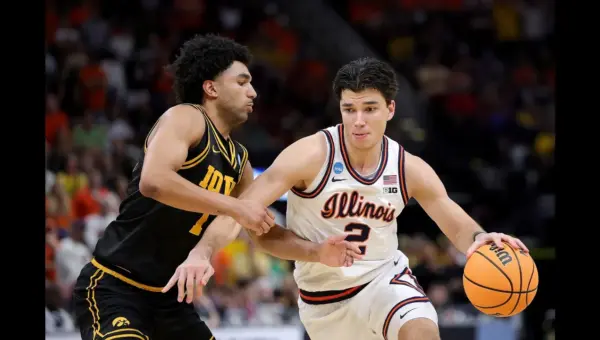
March Madness Heats Up: Elite 8 Battles and Coaching Criticisms
March Madness is down to the Elite Eight, with thrilling matchups and predictions for the Final Four. Meanwhile, a women's basketball coach criticizes the NCAA's tournament format. Tiger Woods faces DUI charges after a car crash, and the MLB season is underway.
Tiger Woods’ DUI Arrest Shakes Golf World
Tiger Woods was arrested for DUI in South Florida, sparking global attention and raising questions about his future in golf. While legal experts urge patience, the incident casts a shadow over his legacy and upcoming tournaments like The Masters.