Congress Fails DHS Funding, Sparks Travel Chaos
Congress's failure to pass DHS funding has resulted in ongoing airport chaos and unpaid TSA workers. Meanwhile, a cyberattack on an FBI director highlights growing digital threats, and golf star Tiger Woods faces new legal troubles after a DUI arrest.

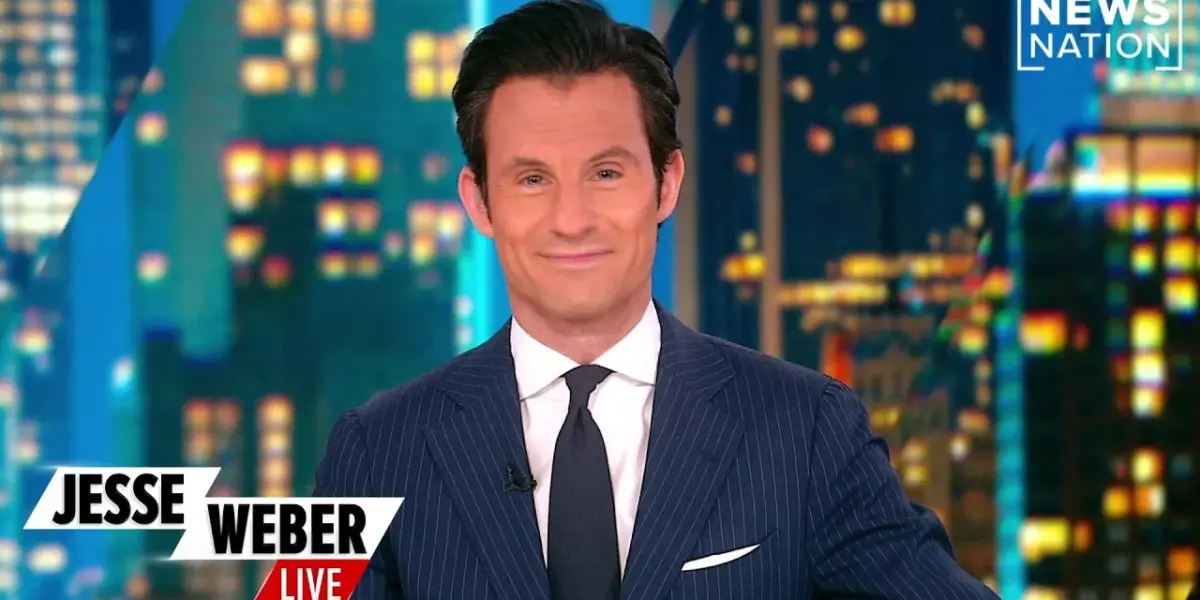
Congress Fails DHS Funding, Sparks Travel Chaos
Americans faced another weekend of frustrating airport delays and long lines as Congress failed to pass essential funding for the Department of Homeland Security (DHS). The House of Representatives was expected to vote on a short-term funding proposal, a continuing resolution, to keep DHS funding at its current level. However, this plan was widely seen as a non-starter, with Senate Democrats calling it unacceptable and most senators already on vacation.
Political Stalemate Disrupts Travel
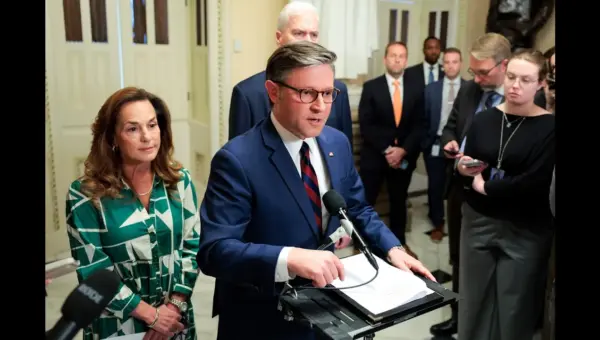
The situation began with a glimmer of hope when the Senate passed a bill aimed at ending the DHS shutdown. But this plan quickly fell apart in the House. House Speaker Mike Johnson rejected the Senate’s bill, creating a political deadlock. This leaves many TSA workers unpaid and travelers facing continued disruption at airports nationwide.
President Trump declared the situation a national security emergency. He signed an executive order to use funds with a “reasonable nexus” to TSA operations to pay TSA workers. DHS Secretary Alejandro Mayorkas indicated that these workers could start receiving paychecks as early as Monday. However, with many TSA workers leaving the agency and the lengthy training process for new hires, a quick fix for passenger delays remains uncertain.
The Senate Bill: A Missed Compromise?
The Senate bill, which the House rejected, aimed to fund several key DHS agencies. This included FEMA, the Coast Guard, the TSA, and the Cybersecurity and Infrastructure Security Agency. Crucially, it did not include funding for border security operations like the Border Patrol and Immigration and Customs Enforcement (ICE).
This exclusion was the main sticking point for House Republicans. For Democrats, it represented a compromise because it did not include desired reforms for ICE. The House’s current continuing resolution, however, would fund all DHS operations, including ICE and CBP. This means the political fight is likely to continue, with the Senate’s current bill having no clear path forward.
Cybersecurity Concerns Rise Amidst Tensions
Beyond airport woes, the transcript highlighted growing concerns in cyberspace. A pro-Iranian hacker group named Handala announced they had hacked an account belonging to FBI Director Kash Patel. While the leaked information appeared to be mostly personal photos and dated work documents, the FBI is taking the threat seriously, offering a $10 million reward for information on the group.
John Arquilla, a professor emeritus at the U.S. Naval Postgraduate School and a pioneer in the study of cyber warfare, explained the vulnerability. He noted that over-reliance on traditional cybersecurity measures like firewalls is insufficient. Arquilla stressed the need for better defense, including cloud computing and strong encryption, especially as critical infrastructure becomes increasingly digitized.
Arquilla suggested that Iran, unable to compete conventionally, might be turning to irregular methods like cyber warfare. He pointed out that Iran has a capable hacker community, possibly supported by state intelligence. The FBI director’s hack serves as a wake-up call for individuals and institutions to improve their own digital security.
Tiger Woods Faces Legal Troubles Again
In unrelated news, golf superstar Tiger Woods was arrested in Florida on charges of driving under the influence (DUI) with property damage and refusing to submit to DUI testing. This incident occurred after his vehicle rolled over. Despite a breathalyzer test showing zero alcohol, Woods refused a urine test, which carries its own legal penalties.
This marks one of Woods’ most serious legal issues behind the wheel. He has faced multiple driving-related incidents in the past, including a 2009 crash, a 2017 DUI arrest where prescription drugs were found in his system, and a severe 2021 rollover crash in California. The current arrest raises questions about his future in professional golf, including his potential participation in upcoming tournaments like the Masters.
Global Impact and Future Scenarios
The DHS funding crisis highlights the deep political divisions in the United States, impacting national security and daily life for citizens. The inability to pass essential funding demonstrates a breakdown in legislative processes, leading to tangible consequences like airport chaos and unpaid federal workers.
The cyberattack on the FBI director underscores the evolving nature of international conflict. As nations face limitations in conventional warfare, the digital realm becomes an increasingly important battleground. The potential for state-sponsored or state-tolerated hacking groups to target critical figures and infrastructure poses a significant threat to national security and global stability.
Tiger Woods’ legal troubles serve as a personal drama but also reflect broader societal issues regarding substance abuse and accountability. His repeated incidents raise questions about rehabilitation and the impact of celebrity on public perception and personal responsibility.
Historical Context
The ongoing DHS funding debate is part of a larger, long-standing struggle over border security and immigration policy in the United States. This has often led to government shutdowns and appropriations battles, demonstrating a recurring pattern of political gridlock.
The cyber warfare discussion connects to a history of espionage and asymmetric conflict. Nations have long sought advantages through non-traditional means when direct confrontation is too costly or risky. The rise of the internet has simply provided a new, complex domain for these conflicts.
Economic Leverage
The DHS shutdown directly impacts the economy through disruptions in travel and commerce. Unpaid federal workers face financial hardship, potentially affecting consumer spending. The threat of cyberattacks also carries economic risks, including intellectual property theft and disruption of critical services.
Regional Alliances and Power Balances
While the transcript focuses on domestic U.S. issues and a specific cyber threat from a group linked to Iran, it touches upon a broader geopolitical tension. The mention of Iran’s inability to compete conventionally suggests an awareness of regional power dynamics and the strategic choices nations make based on their capabilities and perceived threats.
Future Scenarios
The DHS funding situation is likely to remain unresolved in the short term, leading to continued airport disruptions. A longer-term solution will require significant compromise between the House and Senate. The cyber threat from groups like Handala may escalate, prompting increased U.S. investment in cybersecurity defenses and potentially more aggressive counter-cyber operations.
Tiger Woods’ legal case will unfold, with potential consequences for his career and personal life. His ability to overcome this latest challenge will depend on legal outcomes and his personal choices moving forward.
Source: DHS funding nightmare; Tiger Woods released from jail after crash | Jesse Weber Live 3/27 (YouTube)

Related Articles

States Face War Costs: A Bold Plan to Fund Conflict
A Republican proposal suggests diverting billions from states to fund the war in Iran, sparking debate over national priorities and the "America First" agenda. This plan could cut social programs and healthcare, impacting vulnerable citizens.
Democrats Lose Voters as Working Class Shifts Right
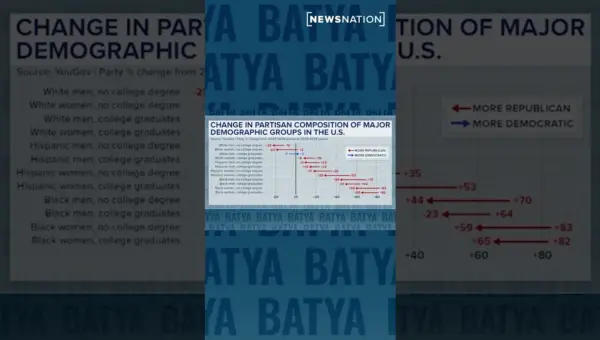
A recent survey reveals a significant shift in American politics, showing a steady decline in Democratic identification. Working-class voters are increasingly leaning Republican, while wealthier individuals are now more likely to be Democrats. This realignment poses challenges for the Democratic party's future electoral success.

Congress Fails to Fund DHS Amid Shutdown Standoff
The House and Senate remain divided over funding for the Department of Homeland Security, leading to a partial government shutdown. Disagreements over ICE funding and agency operations have stalled progress, impacting federal workers and national security preparedness.