Iran’s Drone Assault Exposes US Military Vulnerabilities
Iran's strategic use of drone swarms and ballistic missiles has inflicted significant damage on U.S. military assets, raising alarms about American defense capabilities. The situation escalates with potential ground operations and complex geopolitical alliances at play.

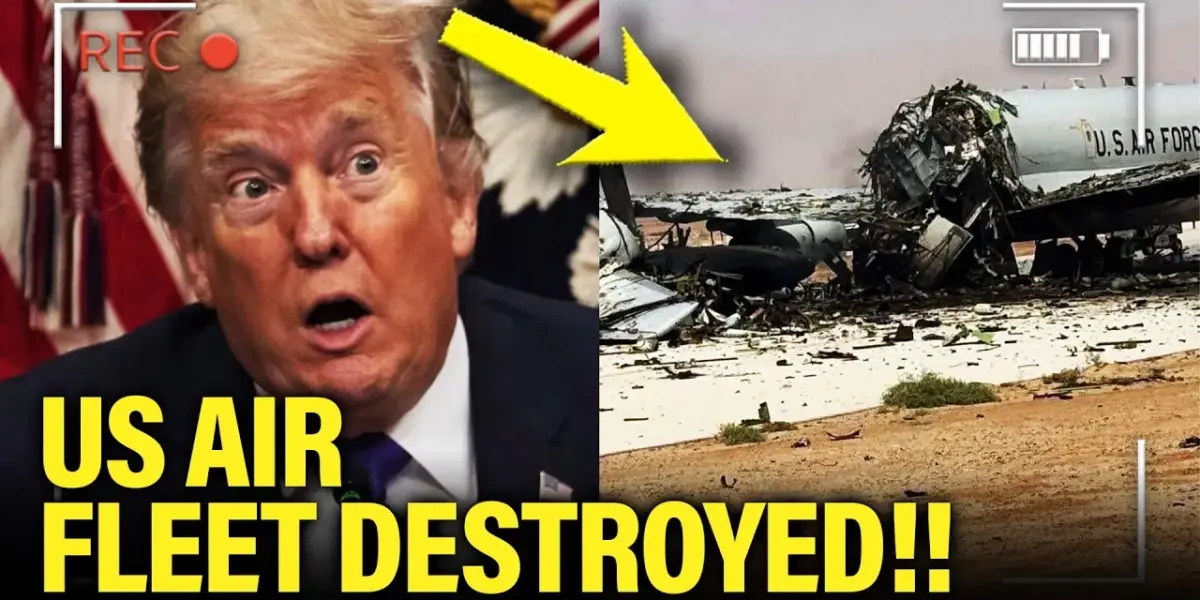
Iran’s Drone Assault Exposes US Military Vulnerabilities
Recent events in the Middle East highlight a significant shift in military tactics, with Iran effectively using drone swarms and ballistic missiles to target U.S. interests. This has led to substantial damage to American military assets and raised serious questions about U.S. defense strategies.
Devastating Attacks on U.S. Bases
A major Iranian drone attack on the city of Airiel, Iraq, where a U.S. consulate and military base are located, demonstrated the growing threat. More alarmingly, an attack on Prince Sultan Air Base in Saudi Arabia resulted in the destruction of critical U.S. Air Force equipment. This included an E3G Century airborne early warning and control aircraft, along with several KC135 Stratotanker refueling planes. The estimated damage to military equipment alone likely exceeds $1 billion. The loss of the E3G Century, described as the “eyes in the sky” and an airborne command post, severely hinders U.S. military operations in the region.
Escalation and Potential Ground Operations
In response to these attacks, the U.S. military has sent additional troops and Marine Expeditionary units to the Middle East. Reports suggest the Pentagon has prepared plans for extended ground operations, potentially lasting weeks or even months. These plans could involve raids on Iranian oil export hubs and coastal areas near the Strait of Hormuz, aimed at destroying weapons systems that threaten shipping. The U.S. is also reportedly considering options like seizing key islands and conducting raids into coastal areas. The arrival of the USS Tripoli and other Marine units signals a potential escalation and preparation for a significant ground presence.
Geopolitical Connections and Warnings
The transcript suggests a complex web of alliances and information sharing. It is implied that Russia may be providing Iran with intelligence on U.S. targets, potentially in exchange for U.S. actions that benefit Russia. European nations have reportedly warned the U.S. about this Russia-Iran cooperation. The situation is further complicated by the involvement of Houthi rebels in Yemen, who have joined Iran in targeting military assets and disrupting Red Sea shipping. The Houthis have threatened to shut down Red Sea commerce again if attacked, which could drastically increase oil prices.
Iran’s Retaliation and Civilian Impact
Iran has also issued warnings, threatening to target American universities in West Asia. This comes after the U.S. and Israel reportedly targeted Iranian universities and industrial facilities. Iran claims that thousands of people, including civilians and children, have been killed in the conflict. The transcript shows graphic images of civilian casualties, highlighting the human cost of the ongoing hostilities. The conflict has spread to Iraq, where Iran-aligned Shiite militias, authorized by the Iraqi government, are targeting U.S. bases, while the U.S. military strikes militia groups.
Changing Nature of Warfare
The events underscore a fundamental change in modern warfare, with drones playing an increasingly crucial role. The effectiveness of Iran’s drone swarms and ballistic missiles against advanced U.S. military equipment highlights a vulnerability that has been underestimated. The transcript draws parallels to the conflict in Ukraine, where drones and unmanned vessels have been used effectively against Russian forces. The argument is made that the U.S. military, despite its technological advancements, has been slow to adapt to this new reality, leaving its bases and assets exposed.
Why This Matters
This situation is critical because it represents a significant challenge to U.S. military dominance and regional stability. The effective use of low-cost drone technology by Iran against expensive U.S. assets suggests a potential shift in the balance of power. The economic implications are also severe, with disruptions to vital shipping lanes and energy supplies threatening global markets. The potential for a prolonged ground conflict carries immense human and financial costs. Furthermore, the geopolitical implications, including the suspected Russia-Iran collaboration, could reshape international relations and alliances.
Implications, Trends, and Future Outlook
The trend clearly points towards a greater reliance on drone technology in future conflicts. Nations with fewer resources can potentially challenge more powerful adversaries through asymmetric warfare. The U.S. military will need to rapidly adapt its strategies and defenses to counter these evolving threats. The interconnectedness of global conflicts means that instability in one region can have far-reaching consequences. The future outlook suggests a more complex and unpredictable geopolitical landscape, where non-state actors and advanced drone technology play a more prominent role.
Historical Context
While the transcript focuses on recent events, the broader context involves decades of tension between the U.S. and Iran, including proxy conflicts and economic sanctions. The U.S. military presence in the Middle East has been a constant factor, often leading to increased friction. The rise of drone technology itself is a relatively recent development, with its widespread military application accelerating in the 21st century. The current situation can be seen as an evolution of these long-standing geopolitical dynamics, amplified by technological advancements.
The Pentagon is preparing for weeks of ground operations in Iran. U.S. officials tell The Washington Post as thousands of American soldiers and Marines arrive in the Middle East for what could become a dangerous new phase of the Iran war, exposing U.S. personnel to an array of threats, including Iranian drones and missiles, ground fire and improvised explosive should the decision be made to escalate.
Source: Trump PANICS as IRAN DESTROYS US AIR FLEET!!! (YouTube)

Related Articles
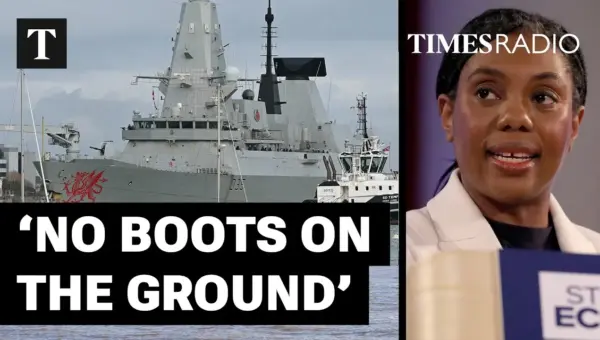
Tory Leader: No UK Troops in Iran, Boost North Sea Oil
Conservative leader Kemi Badenoch has ruled out sending British troops to Iran, citing extreme danger. She is launching a campaign to boost North Sea oil and gas drilling for energy security and financial stability. Badenoch also discussed defense spending and social cohesion policies.

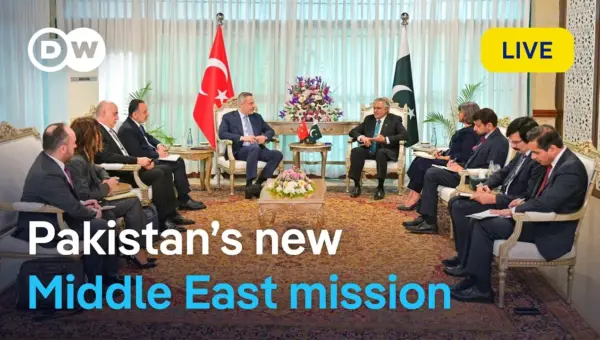
Pakistan Brokers Peace Talks Amid Iran War Escalation
Pakistan is hosting crucial peace talks with foreign ministers from Saudi Arabia, Egypt, and Turkey to de-escalate the ongoing US-Israeli war on Iran. The nation faces internal challenges but aims to broker wider peace without being drawn into the conflict.


Russia Escalates Attacks Amid Global Political Shifts
Russia is escalating attacks on Ukraine's energy infrastructure amid complex global political shifts. Meanwhile, Ukraine's drone capabilities are advancing, strengthening its alliance with NATO. International political alignments and potential election interference are also key concerns.