Iran’s ‘Enormous Patience’ Could Test Trump in Negotiations
Iran possesses 'enormous patience' and may prolong negotiations with President Trump, according to former British Ambassador Matthew Gold. He detailed Iran's unique negotiating tactics, emphasizing their high 'threshold for pain' and strategic use of proxies. Gold advised that successful talks require a long attention span, a quality that could challenge the U.S. president.

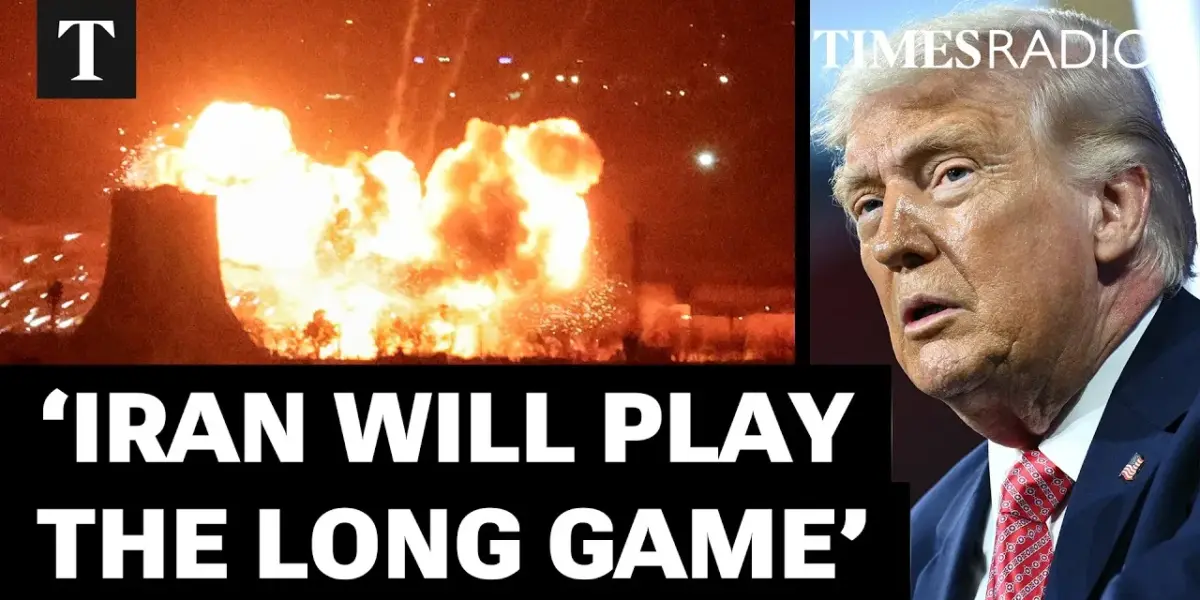
Iran’s ‘Enormous Patience’ Could Test Trump in Negotiations
In the complex world of international diplomacy, negotiating with Iran presents unique challenges, especially for a leader known for his deal-making prowess like President Trump. Matthew Gold, a former acting British ambassador to Iran, shared insights into Iran’s distinct negotiating style, emphasizing their “enormous patience” and willingness to prolong discussions, which could prove a significant hurdle for the U.S. president.
When Should Talks Begin?
Gold believes that the sooner negotiations begin, the better. He explained that as conflicts drag on, they tend to become more complicated and unpredictable. “The longer it goes on, the messier it becomes, the harder it gets,” Gold stated. Starting talks sooner could also mean an earlier end to the conflict, as negotiations with Iran are rarely quick.
The Art of the First Move
When entering negotiations, the initial approach is crucial. Gold recalled that Iran often tries to steer discussions by insisting on using their own documents and terms. “The first move is to make sure that you hold the pen,” he advised. For President Trump, this would mean being clear about a list of demands and not starting from Iran’s proposed text.
A Typical Iranian Negotiation
Gold shared his personal experience from 2004, when he negotiated the release of British personnel held in Iran. He found that after reaching what seemed like an agreement with a high-ranking official, the real negotiation began. Junior officers repeatedly introduced new demands, a tactic Gold described as classic Iranian negotiating technique. “Just when you think you’ve got there, add in another demand, add in another demand,” he said.
This strategy plays on the other party’s desire to finalize a deal. However, Gold noted it can also be a weakness, as Iran sometimes overplays its hand. In his case, the clear directive from his government to secure the release of the personnel, and Iran’s own desire not to hold them, ultimately led to an agreement. He cautioned that negotiating the current conflict would be “infinitely harder.”
Threshold for Pain: Iran vs. The West
A key difference in negotiating with Iran, according to Gold, is their significantly higher “threshold for pain.” He explained that the Iranian regime has endured substantial pressure and continues to stand. “The Iranian regime has shown it doesn’t actually care very much about the well-being of its own people,” Gold stated, referencing reports of harsh crackdowns. This suggests that Iran may be more willing to sustain the consequences of prolonged conflict, such as continued attacks or disrupted oil supplies, than Western nations might be.
Gold elaborated, “The idea for them of carrying on sustaining attacks… I don’t think holds nearly as much terror for them as continuing to choke off the world’s oil supplies holds for the US.” This willingness to endure hardship means that “time is possibly working on the Iranian side,” as they may be more resilient to ongoing conflict than their counterparts.
Horizontal Escalation and Proxy Involvement
The involvement of groups like the Houthis, described as Iranian proxies, is seen as part of Iran’s strategy. Gold called this “horizontal escalation,” where actions that might seem like a drastic increase in tension are, for Iran, a way to build leverage and influence. “Their approach of offense as a means of defense I think is absolutely being played out with the Houthies,” he explained.
Finding Pragmatists in a Complex Regime
President Trump’s rhetoric has sometimes been confusing regarding who he is willing to negotiate with. Gold acknowledged that pragmatists likely exist within the Iranian leadership, such as figures like Ali Larijani, the speaker of the parliament. However, he stressed the importance of distinguishing between pragmatists and moderates.
The challenge lies in identifying whether a negotiator can truly bring the entire regime along. Gold described the Iranian system as “complex and opaque,” a situation made even more difficult when significant leadership figures have been removed. This makes it harder to understand internal dynamics and determine if a potential deal-maker is genuinely empowered to finalize an agreement.
Demands and Deal-Breakers
When negotiations do occur, the initial demands from each side are expected to be vastly different. The U.S. might demand the reopening of the Strait of Hormuz. Iran, however, will not approach talks expecting to surrender. Gold anticipates Iran will ask for reparations and security guarantees, aiming to maximize their demands from the outset.
He also noted that Israeli demands might differ from those of the U.S., adding another layer of complexity. The wide gap between initial demands could make finding common ground a significant challenge.
The Negotiator’s Mindset
Gold concluded by reflecting on whether President Trump has met his match. While Trump’s unpredictable approach might have strategic intrigue, Iran’s “enormous patience” is a key advantage. “They will string out the negotiation. That’s a feature not a bug of their approach,” Gold warned. He added that even after an agreement is reached, Iran will rigorously test its terms and implementation.
Successfully negotiating with Iran requires “a really tight, long attention span,” something Gold suggested is not President Trump’s most notable trait. The former ambassador’s experience highlights the deep cultural and strategic differences that can shape international negotiations, particularly with a nation like Iran.
Source: Iran Has ‘Enormous Patience’ And Will String Out Any Negotiation With Trump, Says Former Ambassador (YouTube)

Related Articles
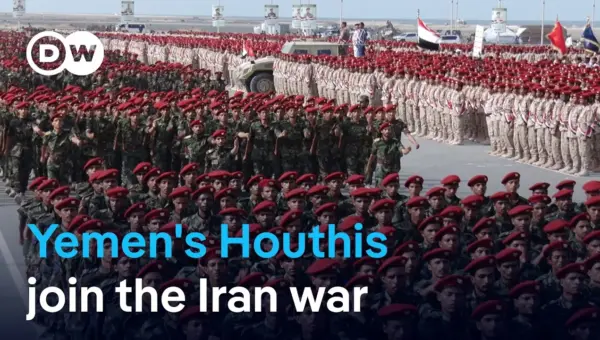
Iran War Escalates: Houthis Strike Israel, Threaten Global Shipping
Yemen's Houthi rebels have joined the Iran conflict, launching missile strikes on Israel and threatening critical global shipping routes. Their involvement escalates regional hostilities and introduces new economic warfare tactics, potentially disrupting vital waterways like the Strait of Bab al-Mandeb.

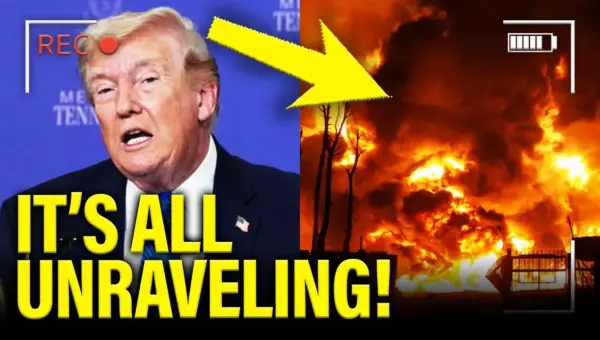
Trump’s Iran War Claims: Diplomacy or Delusion?
President Trump's claims about winning the war with Iran and ongoing peace talks are met with denials from Iranian officials. His communication style blurs decision-making and public messaging, creating confusion. This raises concerns about strategic clarity and accountability in international crises.

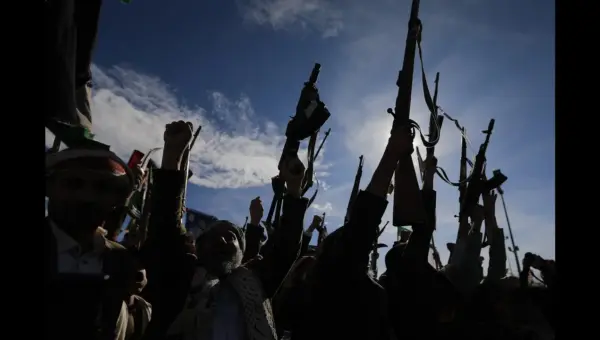
Yemen’s Houthis Escalate Middle East Conflict With Israel Strike
Yemen's Houthi rebels, backed by Iran, have directly attacked Israel with a missile, marking a significant escalation in Middle East tensions. While Israel intercepted the missile, the move signals a broader regional conflict drawing in more actors.