Iran War Escalates: Houthis Strike Israel, Threaten Global Shipping
Yemen's Houthi rebels have joined the Iran conflict, launching missile strikes on Israel and threatening critical global shipping routes. Their involvement escalates regional hostilities and introduces new economic warfare tactics, potentially disrupting vital waterways like the Strait of Bab al-Mandeb.

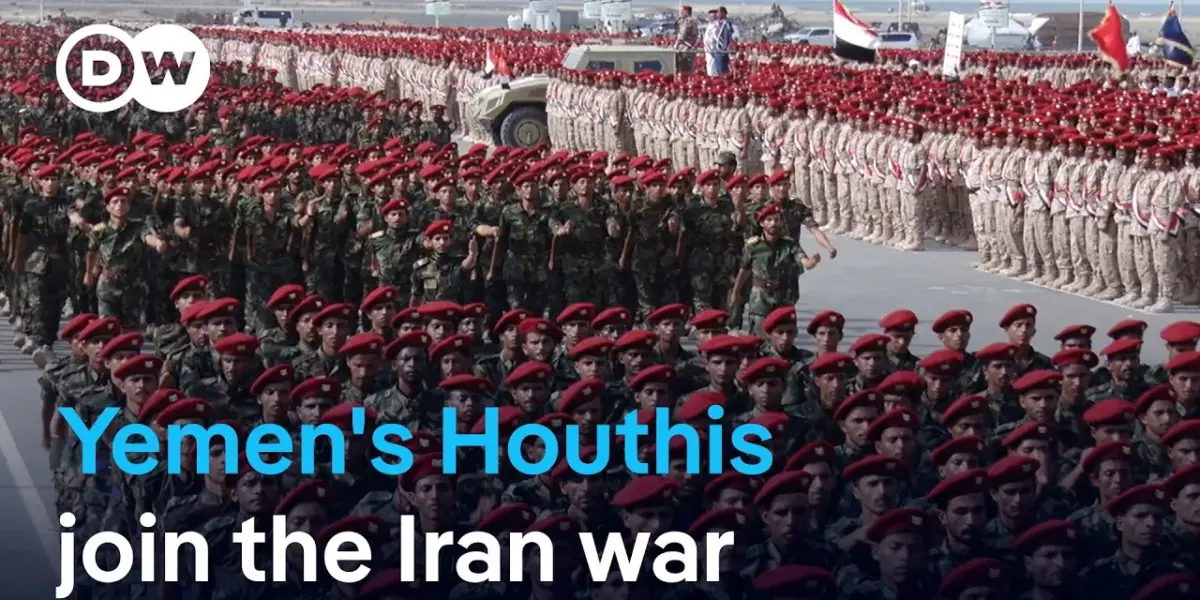
Houthi Militants Join Iran Conflict, Target Israel
Yemen’s Houthi rebels have officially entered the broader conflict involving Iran, launching their first missile attack targeting Israel. This move signals a significant escalation in regional hostilities. The Houthi group, which is allied with Iran, had previously remained on the sidelines for the first four weeks of the conflict. Israel reported intercepting the missile, with no reported casualties or damage. The Houthis have since claimed responsibility for a second missile attack.
Economic Warfare: A New Front in the Conflict
Barah, a researcher and political analyst at the Royal United Services Institute, explained that Iran sees economic warfare as a key strategy. “Iran realizes it doesn’t have many options or capabilities to retaliate directly against the United States,” Barah stated. “However, it understood early on that economic warfare, by putting more strain on the global economy, could push for a resolution.” The group’s actions are also seen as a way to pressure President Trump, who has previously attempted to calm markets during times of potential disruption.
Critical Waterways Under Threat
The Houthis’ involvement introduces a new threat to vital international shipping lanes. “With the Houthis joining, it means the waterways will be blocked,” Barah noted. “In addition to the Strait of Hormuz, you now have the Strait of Bab al-Mandeb.” The disruption of these straits could have severe consequences for global trade, similar to the Suez Canal blockage two years ago, which caused significant damage to global commerce. This development also impacts Saudi Arabia, as oil shipments moving through the Red Sea could be targeted.
Houthi Strategy: Calculated Escalation
The Houthi spokesperson issued a warning, stating, “Our fingers are on the trigger for direct military intervention. The American and Israeli enemies must respond immediately to international diplomatic efforts to halt the aggression against Iran.” Barah believes the Houthis are acting strategically. “They are inviting more striking of Israeli targets on purpose, as they don’t want to shoot on both the U.S. and Israelis at this moment,” she explained. “But it is only a matter of time before they also start attacking U.S. targets.” The group is expected to escalate its involvement gradually, taking security precautions for its leadership.
Iran’s Investment in Houthi Capabilities
Iran has invested heavily in the Houthis’ military capabilities, particularly in long-range missiles and drones, as well as maritime attack logistics. “The Iranians had invested a lot in the Houthi capabilities, especially long-range capabilities, drones, ballistic missiles,” Barah said. “They also helped with their logistics in terms of maritime attacks.” This investment is now being utilized as Iran seeks to open new fronts and exert pressure, potentially influencing peace talks.
Deepening Ties Between Iran and Houthis
The relationship between Iran and the Houthis has strengthened over the years. Initially, the Houthis received training and arms from Hezbollah, with the IRGC acting as liaisons. “IRGC officers started to arrive in Yemen, especially for the technical capacity and proliferation of armed drones, their capacity to build or bring together ballistic missiles,” Barah detailed. The Houthis now see themselves as a significant player in Iran’s “axis of resistance,” potentially even replacing Hezbollah in importance due to their control over territory in Yemen and their accumulated expertise.
Disrupting Global Shipping: The Bab al-Mandeb Strait
The Houthis’ ability to disrupt global shipping is a key reason for their involvement. Targeting vessels in the Bab al-Mandeb Strait, which connects the Red Sea to the Gulf of Aden, could severely impact international trade. This strait is crucial for Saudi Arabian oil exports, which have been rerouted to the Red Sea port of Yunbu. Even damaging one or two ships could cause oil prices to surge and make insurance companies hesitant to cover voyages through the region.
Market Reactions and Future Outlook
Benjamin Schmidt, a former energy security advisor, warned of potential economic chaos if both the Strait of Hormuz and the Strait of Bab al-Mandeb are closed simultaneously. “If the Strait of Bab al-Mandeb, on top of the Strait of Hormuz, are closed at the same time, we would be looking at an oil shock,” Schmidt stated. “You would be losing the Suez Canal as a critical energy security conduit for the world.” He noted that markets are highly sensitive to such disruptions, with oil prices fluctuating based on geopolitical statements. The ongoing conflict and kinetic strikes against Iran have already driven up market pressure.
Potential for Widespread Economic Impact
Schmidt highlighted that the closure of these critical straits would represent a massive hit to the global economy, especially the energy sector. “We look at choke points around the world in energy security work, and you look at everything from the Straits of Hormuz, the Straits of Malacca, you look at the Suez Canal, obviously, and the Panama Canal,” he said. “All of these have to operate.” The current situation, with the Houthis potentially disrupting shipping in the Red Sea and Iran controlling traffic through the Strait of Hormuz, could lead to unprecedented economic consequences.
What’s Next?
As the conflict broadens, the focus remains on the potential for further escalation in the Red Sea and its impact on global shipping and energy markets. The strategic decisions made by Iran, the Houthis, and international powers will be crucial in determining the extent of future disruptions and the stability of the global economy.
Source: Iran war escalates as Houthis launch first strikes on Israel | DW News (YouTube)

Related Articles


Yemen’s Houthis Escalate Middle East Conflict With Israel Strike
Yemen's Houthi rebels, backed by Iran, have directly attacked Israel with a missile, marking a significant escalation in Middle East tensions. While Israel intercepted the missile, the move signals a broader regional conflict drawing in more actors.

Iran-Backed Houthis Target Israel; US Troops Surge in Middle East
The Houthis, backed by Iran, launched a missile at Israel, escalating regional tensions. Meanwhile, over 3,500 US troops have arrived in the Middle East. Separately, a new White House task force is tackling widespread government fraud, with expert Michael Bustler highlighting the significant financial and trust implications. The report also touches on the ongoing DHS funding debate and sports news.


Protests Erupt Nationwide Amidst Airport Chaos and Mideast Tensions
Millions protested President Trump's agenda nationwide amid escalating Mideast tensions and severe airport disruptions caused by the government shutdown. Meanwhile, future doctors celebrated "Match Day," and economic analysts warned of significant risks from the ongoing global conflicts.