NASA Launches Moon Base Push, Eyes Mars
NASA's Artemis 2 mission is launching four astronauts on a 10-day lunar journey, marking a significant step towards building a Moon base by 2028. This mission aims to test technologies and gather data crucial for future human expeditions to Mars.

NASA Launches Moon Base Push, Eyes Mars
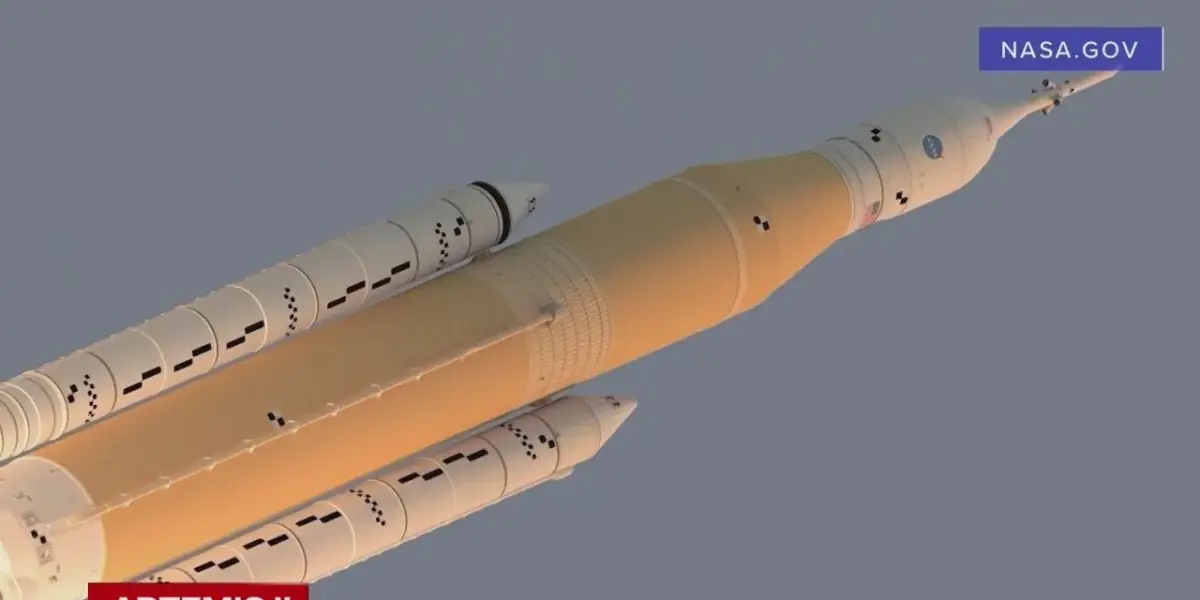
NASA is taking a major step toward returning humans to the Moon and eventually reaching Mars. The Artemis 2 mission is set to launch, sending four astronauts on a 10-day journey around the Moon. This mission is not just about visiting the Moon again; it’s a crucial part of NASA’s plan to build a permanent base on the lunar surface and test technologies needed for a Mars mission.
Artemis 2: A Lunar Flyby and a Step Forward
The Artemis 2 mission will send astronauts Reid Wiseman, Victor Glover, Christina Koch, and Jeremy Hansen on a trip 685,000 miles long. They will orbit the Moon and return to Earth, splashing down in the Pacific Ocean. This mission is the next big step after the successful Artemis 1, which sent an uncrewed Orion capsule around the Moon. The Orion capsule, built over two decades and costing $40 billion, is designed to carry astronauts deep into space. Delays due to fuel leaks and other rocket issues have pushed the launch back by about two months, but it is now scheduled for Wednesday night.
Historic Crew Takes Flight
The Artemis 2 crew is historic. Commander Reid Wiseman and pilot Victor Glover are both former Navy test pilots. Glover will be the first African-American man to travel to deep space. Christina Koch, an engineer, will be the first woman to journey to the Moon. Jeremy Hansen, a fighter pilot from the Canadian Space Agency, will be the first non-NASA astronaut on a lunar mission.
Building a Moon Base by 2028
NASA’s ultimate goal with the Artemis program is to establish an American base near the Moon’s South Pole. Jesse Busby, the Artemis 2 project manager, expects this base to be operational around 2028. The South Pole is ideal because craters there may hold water ice, which is vital for life support and fuel. The region also offers consistent sunlight for solar power, which is essential for sustaining a presence on the Moon. This water ice could be melted for drinking water and used to create breathable air and rocket fuel for future missions.
The Moon as a Stepping Stone to Mars
Traveling to Mars is a much longer and more difficult journey than going to the Moon. A trip to Mars can take six to nine months, depending on the alignment of the Earth and Mars. The Moon, being a much closer neighbor, offers NASA a perfect testing ground. By going to the Moon first, NASA can test out the technologies and systems needed for Mars in a more controlled environment. This allows them to learn how these systems perform, how they fail, and how to fix them before attempting the longer voyage to Mars. This approach significantly reduces the risk for future Mars missions.
Science and Safety: Radiation on the Journey
The Artemis 2 mission will also conduct important scientific investigations. One key experiment involves a payload called “Avatar,” which carries human tissue in a contained environment. This experiment will measure radiation levels during the journey to the Moon and back. Understanding how radiation affects human tissue and equipment is crucial for protecting astronauts on longer missions, especially those planned for Mars. This data will help NASA develop better ways to keep astronauts safe and ensure their equipment functions properly in deep space.
Global Impact: A New Era of Space Exploration
The Artemis program marks a significant shift in space exploration. It’s a return to human lunar missions after a long break and a clear signal of intent for deeper space travel. By aiming for a permanent lunar presence, NASA is not just pursuing scientific discovery but also establishing strategic and economic interests on the Moon. The involvement of international partners like Canada highlights a collaborative approach to space, though the program is primarily driven by American ambition. This renewed focus on the Moon as a launchpad for Mars could reshape international space policy and inspire a new generation of scientists and engineers.
Historical Context: The Space Race Continues
This endeavor echoes the spirit of the original Space Race, where the United States and the Soviet Union competed for dominance in space. While the Cold War rivalry is over, a new form of competition and cooperation is emerging. The Artemis Accords, a set of principles for peaceful space exploration, are being signed by various nations, aiming to create a framework for future lunar and Martian activities. NASA’s push for a Moon base also connects to historical dreams of off-world settlements, moving from science fiction to a tangible goal.
Future Scenarios: Beyond the Moon
The success of Artemis 2 and the eventual establishment of a Moon base will pave the way for more ambitious goals. Future missions could involve longer stays on the Moon, resource utilization, and deeper exploration of the lunar surface. The ultimate objective remains Mars, with the Moon serving as a vital stepping stone. The technologies developed and tested during the Artemis program will be critical for enabling human missions to the Red Planet. This phased approach, starting with lunar missions, is seen as the most practical and least risky path to achieving human exploration of Mars.
Source: Artemis II prepares for 685,000-mile journey around the moon | NewsNation Prime (YouTube)

Related Articles

Artemis 2 Rockets Toward Moon: Humans Fly Furthest Ever
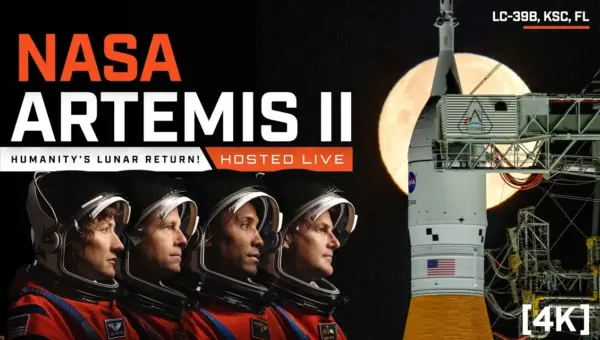
NASA's Artemis 2 mission has launched, sending four astronauts on a lunar flyby and marking humanity's return to deep space for the first time since 1972. This historic mission will see humans travel further from Earth than ever before, testing critical systems for future lunar exploration.

Artemis II Crew Blasts Off for Lunar Orbit
Humans are heading back to the Moon with the Artemis II mission, marking the first crewed lunar journey since 1972. The mission will test the Orion spacecraft and the powerful SLS rocket in deep space.


NASA Charts Bold Lunar Future, Ditches Space Station Plans
NASA is shifting its focus from the lunar Gateway to a permanent Moon base, outlining a phased approach for settlement. This strategy change impacts international partnerships and commercial LEO plans. Meanwhile, Artemis II crew prepares for launch amidst a busy launch schedule and new lunar impact discoveries.