Protestors Demand Accountability: Is This the Turning Point?
A massive protest, dubbed the largest in American history, has issued a strong call for political accountability and sustained citizen engagement. Speakers urged attendees to become messengers, aiming to translate protest energy into electoral victories through 2028. The movement envisions a future with universal healthcare, climate action, and a focus on domestic needs.


Protestors Demand Accountability: Is This the Turning Point?
A massive protest, described as the largest in American history, recently took to the streets. Speakers at the event urged attendees to use their energy not just for the demonstration, but to actively engage in politics until the 2028 elections. The message was clear: this protest is just the beginning of a sustained effort to change the direction of the country.
The rally focused on several key issues. Speakers questioned the priorities of the current government, pointing to a lack of focus on domestic needs like healthcare and food assistance. Instead, billions of dollars are reportedly being spent daily on foreign wars. There was a strong sentiment that the Republican party has not lived up to its promises to the working class, suggesting they have favored the wealthy instead. This perceived disconnect between the government and the people fuels the demand for greater accountability.
A Call to Action Beyond the Streets
The core message from the speakers was that showing up to a protest is not enough. Participants were urged to become messengers, reaching out to friends and family who might not be politically active. The goal is to translate the energy and passion felt at the protest into concrete political action. This includes supporting various organizations and campaigns working for change on the ground. The aim is to build momentum that lasts through multiple election cycles, with specific targets set for taking back the House of Representatives, the Senate, and eventually the White House.
“This is not the destination. This is the on-ramp.”
This powerful statement emphasizes that the protest is a starting point, not an end goal. It’s about igniting a movement that continues to grow and influence political outcomes.
Vision for the Future
The speakers outlined a vision for America that includes universal healthcare, serious action on climate change, and increased funding for education and infrastructure. They also called for an end to what they termed “corporate welfare” and vowed to hold those involved in corruption accountable. The idea is to move away from policies that benefit a select few and towards a system that serves the broader public good. This vision includes a desire to move past what was referred to as “Trumpism” and establish a new era focused on progress and fairness.
The Importance of Power in Politics
Brian Tyler Cohen, the speaker and author, highlighted the central theme of his new book: power. He argues that understanding how power is used, and how it is either wielded effectively or neglected, is crucial for political progress. His book, “The Day After: How to Wield Power in a Post-Trump World,” explores how Republicans have used power and how Democrats, in his view, have failed to do so. He presents his work as a guide for those who want to achieve more than just returning to the way things were, offering a blueprint for progressive action.
Why This Matters
This protest and the accompanying speeches highlight a growing frustration with the current political climate and a desire for tangible change. The call to action goes beyond mere dissatisfaction; it’s a strategic push for sustained political engagement. The organizers aim to mobilize citizens to become active participants in the democratic process, believing that consistent effort over several election cycles is necessary to achieve their goals. The focus on accountability, particularly regarding financial decisions and the perceived prioritization of certain economic classes over working families, signals a shift in public expectation. It suggests a demand for a government that is more responsive to the needs of its citizens and less influenced by special interests.
Historical Context and Trends
Throughout American history, large-scale protests have often served as catalysts for significant social and political change. Movements like the Civil Rights Movement or the anti-war protests of the 1960s demonstrated the power of collective action to influence policy and public opinion. The current protest echoes these historical efforts by aiming to build a sustained movement rather than a one-off event. The emphasis on voter turnout and continued engagement between elections reflects a modern understanding of political activism, where consistent pressure is seen as vital. The critique of economic inequality and the prioritization of national needs over foreign conflicts are recurring themes in American political discourse, often gaining prominence during times of economic hardship or geopolitical tension.
Implications and Future Outlook
The implications of this movement are significant. If the energy generated by such protests can be effectively channeled into voter registration, education, and turnout, it could indeed reshape the political landscape. The focus on specific election targets, like taking back Congress and the White House, suggests a long-term strategy. The success of this movement will likely depend on its ability to broaden its appeal beyond its current base and to offer clear, actionable solutions to the issues it raises. The emphasis on wielding power effectively also points to a potential shift in political strategy, where proponents of progressive change seek to be more assertive in pursuing their agenda. The coming years will show whether this protest marks a turning point or remains a powerful, but isolated, expression of public discontent.
Source: Brian Tyler Cohen gives FIERY speech at No Kings protest (YouTube)

Related Articles

Millions Rally Against Trump in “No Kings” Protests Nationwide
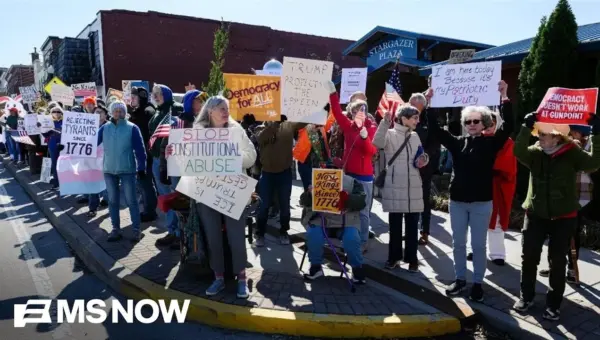
Millions participated in "No Kings" protests nationwide on March 28th, expressing opposition to President Trump's agenda. Demonstrations in cities like Los Angeles and New York highlighted widespread concerns over constitutional rights and the direction of the country. Participants called for greater mobilization beyond just voting to influence policy.

Trumpism’s Fall? Voters Spark a Movement for Change
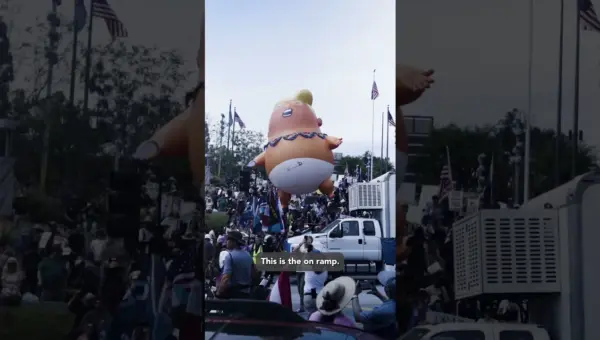
A powerful speech challenges the current political direction, urging voters to become active participants. It calls for accountability, a focus on working-class needs, and a vision for a future with healthcare for all and serious climate action. The movement aims to mobilize voters for upcoming elections to bring about significant change.


ICE Chief’s Stress Signals Deeper Issues in Immigration Policy
Reports indicate that the acting director of ICE has been hospitalized multiple times due to stress from enforcing the Trump administration's immigration agenda. These incidents, including panic attacks, highlight the intense pressure faced by leaders in immigration enforcement. The situation raises questions about accountability and the human cost of these policies.