Congress Fails to Fund DHS Amid Shutdown Standoff
The House and Senate remain divided over funding for the Department of Homeland Security, leading to a partial government shutdown. Disagreements over ICE funding and agency operations have stalled progress, impacting federal workers and national security preparedness.

Congress Fails to Fund DHS Amid Shutdown Standoff
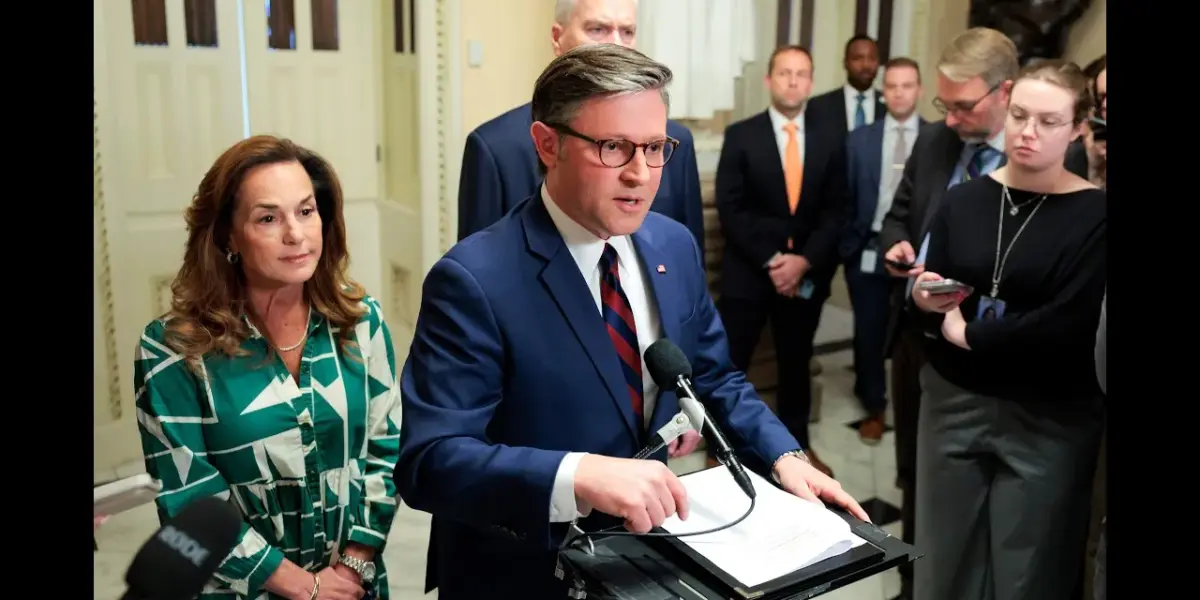
The Department of Homeland Security (DHS) finds itself in a difficult spot, with its funding uncertain. A recent vote in the House of Representatives highlighted the deep disagreements between the House and the Senate over how to proceed. This situation has led to a prolonged partial government shutdown, impacting many federal workers.
Shutdown’s Toll on Workers
The government shutdown has now lasted over a month, causing significant hardship. Many federal employees are not receiving their regular paychecks. Some lawmakers have suggested that Congress itself should not be paid until a resolution is reached, while essential workers like TSA agents should be compensated. President Trump took action by signing an executive order to ensure TSA agents get paid, but this doesn’t solve the larger issue of ongoing funding for the department.
“And without a promise of anything beyond just our back pay by this executive order, I’m worried.”
This sentiment from a TSA agent shows the anxiety many federal workers are feeling. They are caught in the middle of political disputes, unsure about their financial future.
House and Senate Clash Over Funding Plan
The core of the problem lies in how to fund DHS. On a Friday night, the House of Representatives voted against a deal proposed by the Senate. Instead, the House passed a temporary measure to fund the entire DHS for eight more weeks. However, Senate Democrats immediately rejected this plan, calling it unacceptable and stating it would not pass in their chamber.
Senate Democrats had previously tried a different approach. In the early hours of Friday morning, they held a vote to fund most of DHS but delay the funding for Immigration and Customs Enforcement (ICE) until later in the year. This plan was welcomed by Democrats, who felt it was a step in the right direction and could have been agreed upon weeks earlier. They expressed a commitment to continue fighting for reforms within ICE.
President’s Stance and ICE Funding Debate
President Trump has supported the House Republicans’ position, disagreeing with the Senate’s plan to delay ICE funding. He has stated that Democrats want to allow undocumented immigrants, including criminals, into the country. The President emphasized his efforts to remove such individuals and his opposition to policies that would facilitate their entry.
Democrats, on the other hand, have rejected the White House’s proposals. While the White House’s plan met many of their demands, it did not include the removal of ICE agents’ masks or requirements for judicial warrants for certain enforcement actions. Democrats argue that ICE agents should operate like other law enforcement officers in the country, with similar accountability measures.
Republicans have drawn a firm line on these two issues. They believe that masks are necessary to protect ICE officers from being doxxed, meaning their personal information could be revealed online, putting them at risk. They also argue that requiring judicial warrants for all immigration enforcement actions would slow down operations, making it harder to arrest criminals and national security threats. Republicans point to recent statistics suggesting ICE has had a historic success rate in arrests.
Broader Impacts of the Shutdown
Beyond the immediate funding debate, the shutdown has serious consequences for the nation. While the President has acted to pay TSA agents, other parts of DHS are suffering. Lawmakers held a hearing to discuss these impacts, with one official warning that the shutdown is pushing the department closer to a breaking point.
Experience shows that it takes about two and a half days to recover from each day the government is shut down. If the shutdown ended immediately, the department would not be fully caught up until July. This delay affects critical functions, such as FEMA’s ability to respond to disasters. FEMA’s preparedness and support for Americans before, during, and after emergencies are at risk.
Furthermore, the shutdown has impacted the cybersecurity arm of DHS. The department’s ability to proactively address cyber risks and support physical security for major events, like the upcoming FIFA World Cup, has been weakened. This lapse in funding creates vulnerabilities at a time when national security and public safety are paramount.
Ethics Concerns Emerge
In related news, an ethics committee has revealed that Representative Sheila Cherfilus-McCormick, a Democrat, committed dozens of ethics violations. An investigation found that she used millions of dollars in federal disaster funds, which were improperly paid, to finance her campaign. This discovery has led two prominent Democrats to call for her resignation. Lawmakers are expected to decide on recommended sanctions once they return from a two-week recess.
Why This Matters
This ongoing standoff over DHS funding is more than just a political squabble; it’s a clear example of how partisan divides can paralyze government functions. The inability of Congress to agree on basic funding for essential departments like Homeland Security, especially when national security and public safety are involved, raises serious questions about effective governance. The shutdown impacts the daily lives of federal workers and their families, creates vulnerabilities in national security and disaster response, and erodes public trust.
The debate over ICE funding also highlights the complex and often contentious nature of immigration policy. The differing views on how to enforce immigration laws, protect agents, and uphold civil liberties reflect deep societal disagreements. The President’s focus on border security and deportation of criminals, contrasted with Democrats’ calls for accountability and reform within ICE, shows the wide gap that needs to be bridged.
Implications and Future Outlook
The immediate implication is the continued uncertainty for DHS employees and the potential degradation of critical government services. The longer the shutdown persists, the harder it will be to recover lost productivity and address security threats. The reliance on executive orders to address immediate needs, like paying TSA agents, is a temporary fix that doesn’t solve the underlying problem of legislative gridlock.
Looking ahead, this situation underscores the need for compromise and a willingness to find common ground. The current approach, where one party holds firm and the other refuses to budge, is unsustainable. Future funding debates will likely continue to be fraught with tension, especially concerning border security and immigration enforcement. The ethical concerns raised about Representative Cherfilus-McCormick also add another layer of complexity to the political landscape, potentially influencing future votes and public perception.
The ability of Congress to secure funding for vital agencies and address national challenges effectively will be a key indicator of its functionality in the coming years. The current impasse serves as a stark warning of the consequences when political differences overshadow the responsibility to govern.
Source: House Rejects Senate Deal to Fund DHS Without ICE (YouTube)

Related Articles


ICE Propaganda Campaign Aims to Rebrand Agency
A coordinated PR campaign is underway to rebrand ICE, using manufactured airport chaos and positive imagery to create a friendly public image. The strategy aims to normalize ICE's presence and potentially deploy them at polling stations for voter intimidation.


Protests Surge Against Trump Policies Nationwide
Tens of thousands protested President Trump's policies nationwide in "No Kings" rallies. While most events were peaceful, clashes occurred in Los Angeles. Protesters voiced concerns over immigration, foreign policy, and economic inequality.


Miller’s Rage Hospitalizes ICE Chief: A White House Meltdown
Stephen Miller's aggressive tactics reportedly led to the hospitalization of ICE chief Todd Loins multiple times. This situation highlights intense pressure within the Trump administration and controversial ICE operations, sparking public protests and debate over executive authority.