Protests Surge Against Trump Policies Nationwide
Tens of thousands protested President Trump's policies nationwide in "No Kings" rallies. While most events were peaceful, clashes occurred in Los Angeles. Protesters voiced concerns over immigration, foreign policy, and economic inequality.

Nationwide Protests Challenge Trump Administration Policies
Tens of thousands of Americans took to the streets across all 50 states for the third round of “No Kings” rallies. These demonstrations, organized to protest President Donald Trump’s administration policies, saw significant turnout, with organizers anticipating the largest numbers yet. While most events remained peaceful, some protests, particularly in Los Angeles, turned confrontational.
Los Angeles Sees Clashes at Federal Detention Center
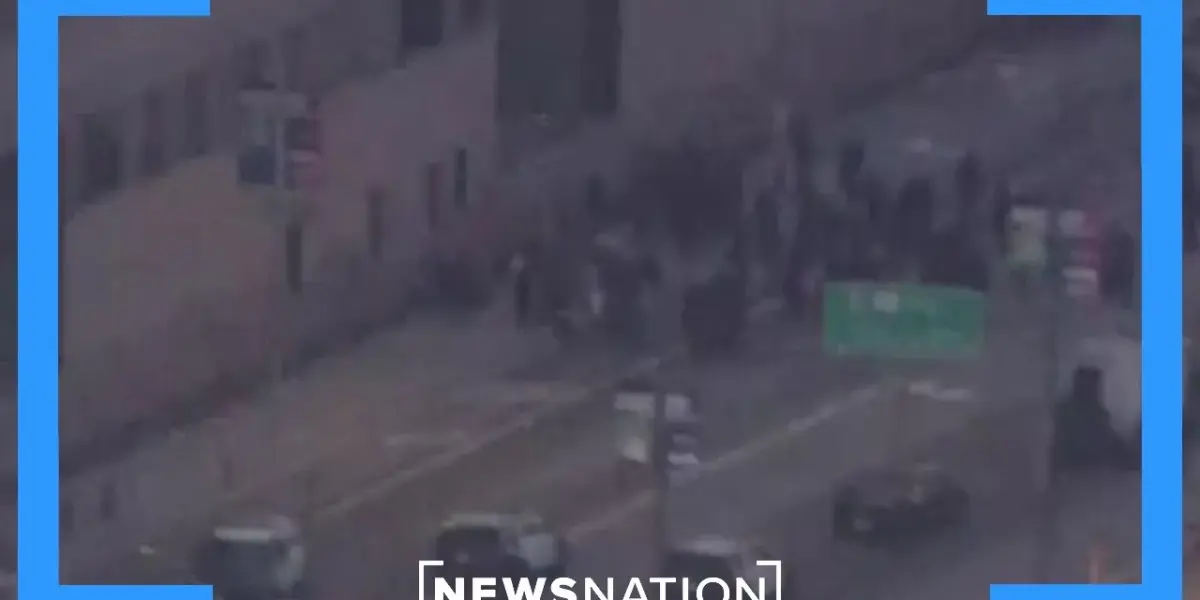
In Los Angeles, after a “No Kings” rally concluded, a group of protesters broke off and headed to a federal detention center. There, they faced off with federal officers. Reports indicate that protesters threw cement blocks and glass bottles at the officers. Los Angeles police, arriving in riot control gear and on mounted patrol, issued dispersal orders and made multiple arrests following the clashes. Federal officers responded by using tear gas to manage the situation.
Motivations Behind the Protests
Protesters expressed deep frustration with various Trump administration policies. A major focus was the Immigration and Customs Enforcement (ICE) agency, with some calling for its abolition and demanding that ICE operations cease at airports. Concerns about the ongoing war in Iraq were also voiced, with demonstrators calling for an end to the conflict. The current government shutdown was also a backdrop to some of the demonstrations.
Key Figures and Locations
Notable figures participated in or supported the rallies. In Minnesota, Bruce Springsteen, Jane Fonda, and Senator Bernie Sanders were present at the state capitol, which served as a flagship event for the “No Kings” movement. In New York City, tens of thousands gathered, with actor Robert De Niro delivering strong remarks against the Trump administration. He stated, “Trump has to be stopped.”
Organizers’ Perspective and Past Successes
Organizers of the “No Kings” rallies indicated they have not seen enough positive change from the Trump administration’s policies. However, they believe that protests are effective, citing Minneapolis as an example. Following protests after the deaths of Alex Pretti and Renay Good, there was a leadership change at the Department of Homeland Security. While some saw this as a positive step, others felt it would not bring significant change within the department.
Economic and Social Demands
In Chicago, the rally was organized by a coalition of groups, including immigrant rights organizations, nonprofits, and unions like the Chicago Teachers Union. Protesters there called for increased taxes on the wealthy and greater rights for workers. They emphasized the importance of holding elected officials accountable, stating, “We’ve so we’re all out here making sure they understand when it’s election time, all of it will matter.”
Global Reach and White House Response
The “No Kings” rallies were not limited to the United States. Demonstrations also took place in international cities such as Paris, Rome, and Australia. The White House, however, dismissed these protests, characterizing them as “therapy sessions” for those who oppose President Trump.
Historical Context and Future Implications
The “No Kings” rallies represent a continuation of public dissent against presidential administrations, a common feature in American political history. The scale of these protests, spanning all 50 states and involving tens of thousands, highlights significant public dissatisfaction with current policies. The confrontational elements seen in Los Angeles, while not representative of the majority of events, underscore the intensity of feelings among some segments of the population.
Global Impact
These widespread protests demonstrate a vocal opposition to specific policies of the Trump administration, particularly concerning immigration and foreign conflicts. The international participation suggests that these issues resonate beyond U.S. borders, potentially influencing diplomatic relations and international perceptions of American policy. The White House’s dismissive response, however, indicates a potential gap in communication and engagement with dissenting voices, which could shape future political dynamics.
Future Scenarios
One possible scenario is that sustained and widespread protests will pressure the administration to reconsider certain policies, especially if they impact public opinion significantly. Another scenario is that the administration will continue to dismiss the protests, potentially leading to increased polarization and further, possibly more intense, demonstrations. The effectiveness of these protests in driving policy change will likely depend on their sustained presence and ability to mobilize broader public support or influence key political actors.
Source: Protesters at LA 'No Kings' threw cement and glass bottles at federal agents | NewsNation Prime (YouTube)

Related Articles

Miller’s Rage Hospitalizes ICE Chief: A White House Meltdown
Stephen Miller's aggressive tactics reportedly led to the hospitalization of ICE chief Todd Loins multiple times. This situation highlights intense pressure within the Trump administration and controversial ICE operations, sparking public protests and debate over executive authority.
Protests Erupt: Is Trump’s Populist Promise a Scam?
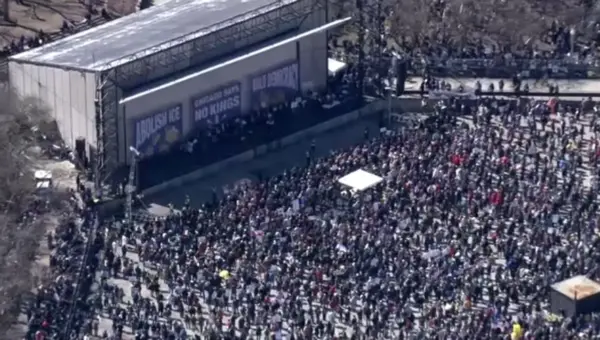
Massive protests across the nation signal deep public frustration with Donald Trump's administration and a perceived betrayal of populist promises. Critics argue that economic hardship and a focus on war over domestic needs show the populist message to be a "con." Organizers hope these demonstrations will fuel a broad coalition committed to democratic principles and lasting political change.
Protesters Demand “Take Back Power” at “No Kings Day” Rallies
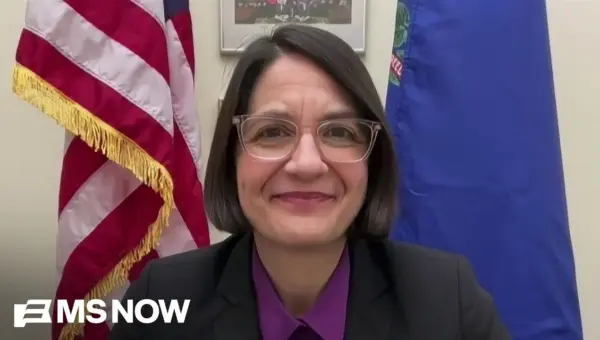
Citizens across the U.S. participated in "No Kings Day" protests, demanding a return of power to the people and expressing deep dissatisfaction with current leadership. Democratic Representative Becca Ballant observed widespread discontent, noting calls for systemic change and a rejection of control by billionaires and corporations. The movement seeks to build a better future and includes disillusioned voters from various political backgrounds.