China Buys US Assets; Lawmakers Push for Deregulation
Lawmakers express deep concern over Chinese Communist Party's acquisition of U.S. assets, including land and businesses. Congressman Roger Williams calls for deregulation to strengthen American companies and counter foreign economic influence. The issue links economic security directly to national security.

China Buys US Assets; Lawmakers Push for Deregulation
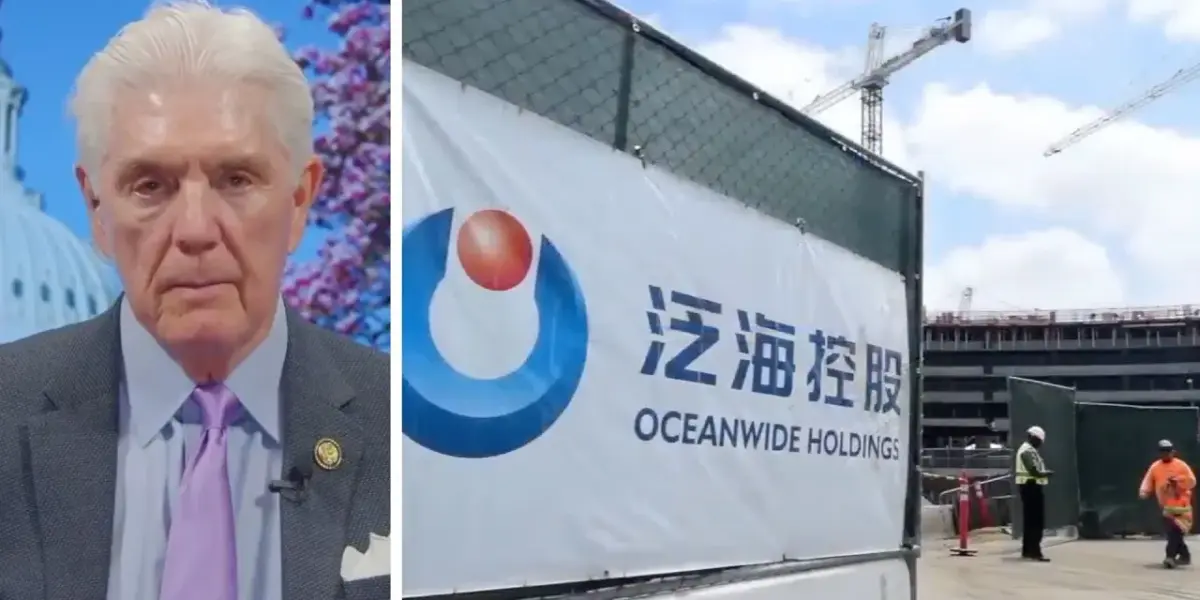
Concerns are growing in Washington about China’s economic influence in the United States. Specifically, lawmakers are worried about the Chinese Communist Party (CCP) buying up American businesses, land, and critical resources. This trend, according to Congressman Roger Williams, chairman of the House Committee on Small Business, poses a serious threat to American small businesses and national security.
Concerns Over Chinese Acquisitions
Congressman Williams highlighted that Chinese entities are entering the U.S. market and making offers that are hard for American owners to refuse. These offers often exceed the market value of businesses or land. While this might seem like a good deal for the seller, Williams explained that it can lead to the loss of American jobs and control over valuable intellectual property.
One witness at a recent hearing, Shawn Murphy, shared a personal story. His company was reportedly pushed out of its own project by a Chinese-controlled entity. This happened through aggressive legal tactics, using multiple law firms and allegedly exploiting relationships with local officials. This situation, Williams noted, shows how the CCP can weaponize the U.S. legal system against American businesses.
The issue extends beyond just business deals. It’s reported that Chinese nationals living in the U.S. are legally obligated by a 2017 National Security Law to share data with Chinese authorities if requested. This raises questions about the security of information and assets acquired by Chinese-controlled companies.
Economic Security is National Security
The discussion also touched on how economic vulnerabilities can become national security risks. The CCP’s dominance in supply chains for essential items, like pharmaceutical ingredients, became clear during the COVID-19 pandemic. China supplies a significant portion of the world’s antibiotics, for instance. This reliance on foreign supply chains for critical goods is seen as a strategic weakness.
Williams pointed out that China owns millions of acres of U.S. farmland, impacting the food supply. He also mentioned that the value of rare earth minerals imported from China, though less than the cost of an F-35 fighter jet, supports a large part of the American economy. This dependence makes the U.S. vulnerable to disruptions or political pressure.
Proposed Solutions: Deregulation and Fair Trade
To counter these threats, Congressman Williams advocates for reducing government regulations within the United States. He believes that lowering taxes and cutting red tape would allow American businesses to grow stronger. This would enable them to build their own wealth and market presence, rather than feeling pressured to sell to foreign entities.
The idea is that healthier, more profitable American businesses would be less likely to be acquired. They could also invest in developing their own inventories and controlling their pricing structures. The ultimate goal, Williams stated, is for American businesses to regain control of key markets.
Regarding international trade, particularly with China, Williams expressed hope that President Trump would push for fair trade practices. He suggested that President Trump would aim to make China understand that unfair practices will have consequences. Furthermore, he believes the U.S. should assert its position as a strong competitor capable of leading in various industries, challenging China’s current dominance.
Why This Matters
The concerns raised by Congressman Williams and others highlight a growing tension between the U.S. and China, extending beyond political disagreements into economic competition. The potential for foreign adversaries to gain control over critical U.S. assets, from farmland to technology, poses a significant risk to national security and economic stability. The proposed solutions, like deregulation, aim to strengthen the domestic economy, making it more resilient. However, the effectiveness and potential side effects of such policies will be crucial to watch. The push for fair trade also signals a potentially more assertive U.S. stance on the global economic stage.
Looking Ahead
The ongoing dialogue about China’s economic activities in the U.S. suggests that this will remain a key issue in policy discussions. Lawmakers are exploring ways to protect American interests without stifling legitimate business activity. The approach taken by the U.S. government, whether through deregulation, trade negotiations, or other measures, will shape the future of American businesses and their ability to compete globally.
Source: US Needs to Cut Regulations to Build Inventories, Net Worth Toward Controlling the Market (YouTube)

Related Articles


Shutdown Squeezes Essential Workers, Threatens Security
TSA agents are working longer hours without pay during the U.S. government shutdown, forcing them to take on second jobs and seek financial relief. The shutdown creates significant stress for essential workers and raises concerns about national security and the government's ability to function.

Vance Fuels Fear: Nuclear Vest Claims Echo War-Mongering Tactics
Senator JD Vance's controversial "nuclear vest" claims about Iran are drawing sharp criticism, with many seeing echoes of past fear-mongering tactics used to justify war. The remarks raise questions about scientific feasibility and responsible communication of national security threats.
Florida Cracks Down on Teen Chaos, Border Security Debate Heats Up
Florida is tightening its grip on youth disturbances, while a national debate rages over funding for the Department of Homeland Security. Lieutenant Governor Jay Collins addressed recent teen-related incidents and the state's commitment to order. Meanwhile, political divisions in Washington threaten border security operations and contribute to travel chaos, raising concerns about national safety and international standing.