CPAC Texas: Conservatives Warn Against Socialism, Sharia Law
Thousands of conservatives gathered at CPAC Texas, voicing strong concerns about socialism and Sharia law. Speakers and attendees discussed the need to protect American values and freedoms, with Texas enacting laws against Sharia law compounds. The event also highlighted positive interactions among attendees.


CPAC Texas: Conservatives Warn Against Socialism, Sharia Law
Thousands of conservatives recently gathered in Grapevine, Texas, for the Conservative Political Action Conference (CPAC). The event focused on key issues facing the nation. Speakers and attendees shared strong views on the upcoming midterm elections, the perceived dangers of socialism, and concerns about Sharia law influencing American society.
Concerns Over Socialism and Education
A major theme at CPAC Texas was the growing influence of socialist ideas in America. One speaker expressed alarm that teachers’ unions might be promoting curricula that view communism and socialism positively. “Every one of our kids should be taught about the dangers and evils of communism,” one speaker stated, adding that some curriculum talks about communism and socialism as beneficial. This sentiment was echoed by an attendee who shared their experience after leaving their home country. They were shocked to see young Americans embracing socialist ideas. This individual stressed the importance of fighting for freedom, stating, “if we don’t fight for that now, we will lose it forever.” The core message was that these freedoms are fundamental and must be protected for future generations.
Sharia Law and Texas’s Response
Another significant topic discussed was the alleged efforts to establish Sharia law in the United States. Texas Governor Greg Abbott highlighted a specific instance where a Muslim-only community aiming to operate under Sharia law was investigated by state agencies. These agencies found illegal activity and shut down the operation. Governor Abbott emphasized that this was not enough. He signed a law last year specifically banning Sharia law and compounds like the one investigated from operating in Texas. This action reflects a strong stance by the state government against what they view as external legal systems undermining American law.
Attendee Experiences and Common Ground
Beyond the formal speeches, the event provided a space for attendees to connect and share their perspectives. One attendee appreciated the inclusion of worship at the start of the day. They felt it was important to acknowledge faith, saying, “There’s a lot of amazing people here but I love that they put God in the mix because it’s nothing without him.” This individual also enjoyed meeting others who shared a common goal for good. Another first-time attendee expressed surprise at the openness of the people they met. They had expected conservatives to be more closed-minded. “I do want to talk to people on the other side,” this attendee remarked, finding the interactions to be very positive and encouraging.
Looking Ahead
CPAC Texas brought together conservatives to discuss pressing national issues and reinforce their shared values. The discussions centered on concerns about the direction of American society and policy. The conference highlighted a desire to educate the public on the perceived threats of socialism and to maintain the integrity of American law. The next CPAC event is scheduled to take place in Orlando, Florida. The conversations in Texas suggest a continued focus on these themes in future political gatherings.
Why This Matters
The themes discussed at CPAC Texas reflect broader political and cultural debates happening across the United States. The concerns raised about socialism and education touch on fundamental questions about economic systems and the role of government in shaping public understanding. Similarly, the discussion around Sharia law brings to the forefront issues of religious freedom, national security, and the supremacy of American law. These are not fringe issues; they are central to ongoing political discourse and influence policy decisions. The event also showed a desire among some attendees to engage with those who hold different views, suggesting a potential for dialogue, even amidst strong disagreements. Understanding these discussions is key to grasping the motivations and priorities of a significant portion of the American electorate.
Implications and Future Outlook
The strong rhetoric against socialism and perceived foreign legal influences at CPAC indicates a conservative movement focused on cultural and ideological battles. This will likely shape campaign messaging and policy proposals in the lead-up to elections. The emphasis on religious faith and traditional values suggests a desire to reinforce these as foundational to American identity. For attendees, the positive interactions with diverse viewpoints, even within a conservative gathering, could signal a nuanced approach to political engagement for some. The push for laws like the one banning Sharia law in Texas shows a proactive approach by conservative leaders to address perceived threats. This approach may be replicated in other states or at the federal level.
Historical Context
Concerns about socialism and communism have a long history in American politics, particularly during the Cold War era. Periods of economic hardship or social change often see a resurgence of these debates. The fear of foreign ideologies influencing American society is also a recurring theme. Discussions about Sharia law in the U.S. have gained prominence in the post-9/11 era, often linked to national security concerns and debates about immigration and integration. CPAC, as a major platform for conservative thought, has historically provided a space for these anxieties and ideas to be voiced and amplified, influencing the broader Republican party platform.
Source: Day 2: Conservative Political Action Conference in Texas (YouTube)

Related Articles

De Niro Rallies Against Trump: ‘He Must Be Stopped’
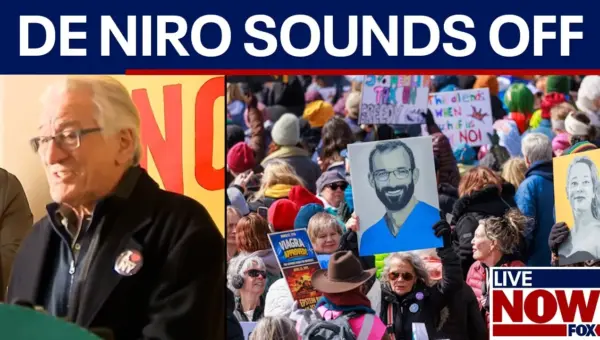
Actor Robert De Niro joined the "No Kings" rally, calling former President Donald Trump an "existential threat" to American freedoms. He urged supporters to unite against Trump, citing concerns over wars, corruption, and economic instability. De Niro emphasized a belief in core American values and a commitment to political action.

CPAC Divided: Trump’s Iran War Splits Conservative Base
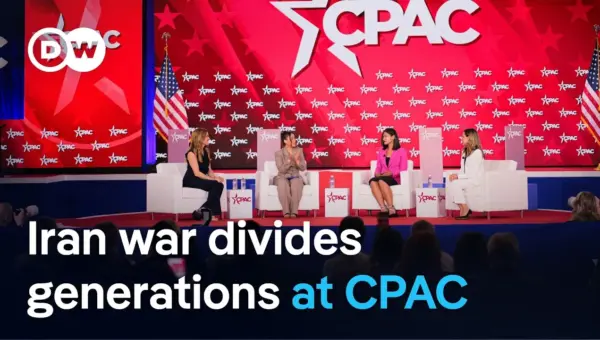
The annual CPAC gathering in Texas revealed deep divisions within President Trump's base over the U.S. war in Iran. While some supporters trust Trump's strategy, others, particularly younger conservatives, worry about the conflict's impact on the "America First" agenda. The conference also saw a notable absence of President Trump and other high-profile figures, contributing to a different energy compared to previous years.

Conservative Leader Urges Vance: Oust Trump Via 25th Amendment
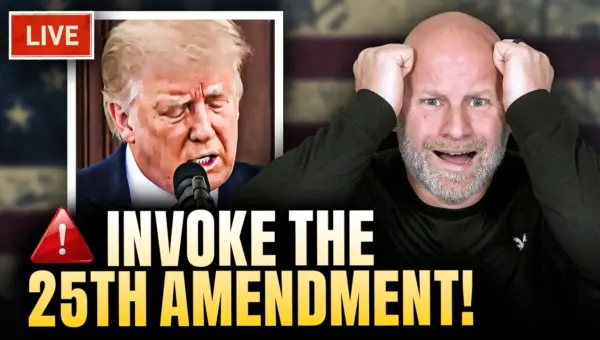
Scott McConnell, a co-founder of The American Conservative, is urging Vice President JD Vance to use the 25th Amendment to remove Donald Trump from office. This unlikely proposal highlights deep concerns about Trump's fitness from within the conservative movement itself. The 25th Amendment provides a complex process for removing an unfit president, a path never fully taken in U.S. history.