Miller’s Rage Hospitalizes ICE Chief: A White House Meltdown
Stephen Miller's aggressive tactics reportedly led to the hospitalization of ICE chief Todd Loins multiple times. This situation highlights intense pressure within the Trump administration and controversial ICE operations, sparking public protests and debate over executive authority.

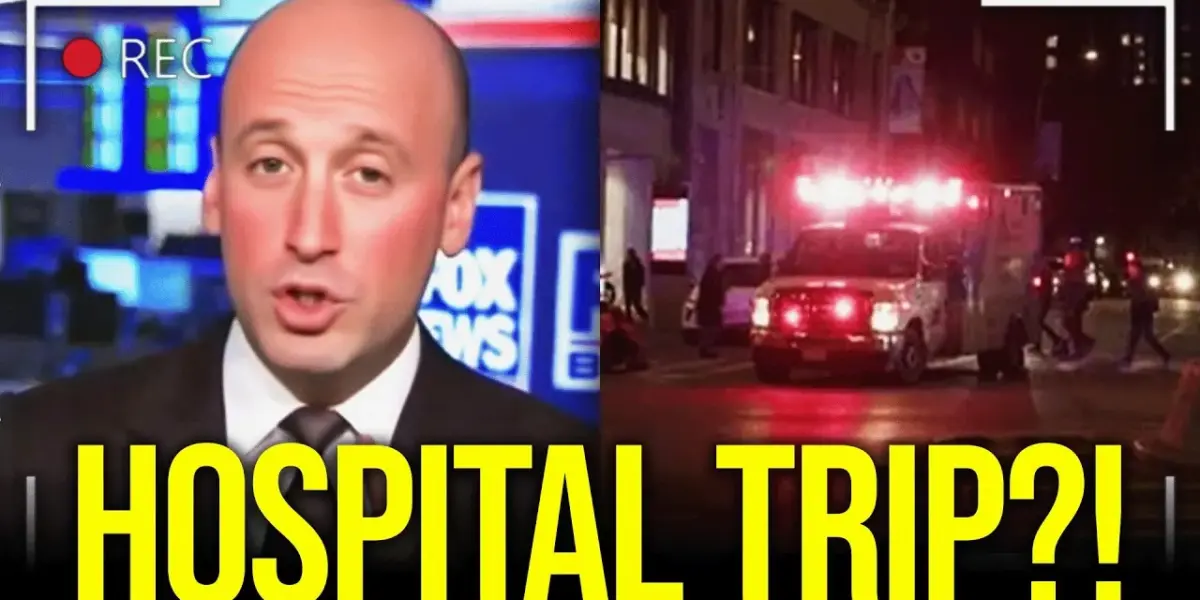
Miller’s Rage Hospitalizes ICE Chief: A White House Meltdown
A striking report has surfaced detailing the intense pressure within the Trump administration, specifically involving White House advisor Stephen Miller and the head of ICE, Todd Loins. Sources reveal that Loins was hospitalized multiple times due to extreme stress, largely attributed to Miller’s demanding and aggressive approach. This situation highlights a pattern of both incompetence and cruelty within the administration, as noted by commentator John Oaf. The stress Loins experienced stemmed from executing the president’s immigration policies, a task made even more difficult by Miller’s reportedly harsh directives.
The Stress of the Job and Miller’s Influence
According to Politico and The Daily Beast, Acting ICE Director Todd Loins faced significant strain while carrying out the president’s migrant crackdown. Officials described Loins as visibly upset, struggling to make crucial decisions for the agency. This distress, which caused him to break out in a full sweat with his face turning deep red, was directly linked to pressure from the White House and Stephen Miller. Four individuals on calls with Miller and Loins reported that Miller frequently yelled at Loins during morning phone calls.
While the White House has pushed back, claiming Miller never yelled and that he was merely “passionate” or asked “very pointed questions in a very assertive tone,” these descriptions suggest a high level of confrontational behavior. One official stated that Miller’s demeanor was a lot of words for him yelling. This intense pressure reportedly led to Loins being hospitalized at least twice. The first incident in September saw him spend a night in a Washington hospital after his security detail took him there. A third incident occurred last summer in Los Angeles, where Loins became so distressed after ICE agents couldn’t find a migrant on their target list that a bodyguard had to bring a portable defibrillator to the scene.
ICE Operations and Public Perception
The report also sheds light on controversial ICE operations. In one instance, Miller ordered ICE to target Home Depot parking lots to arrest day laborers. Miller reportedly stated he could make 30 arrests himself at a nearby location, telling agents to “just go out there and arrest illegal aliens.” This directive contrasts sharply with the administration’s earlier stance on ICE agents wearing masks to protect their identity, a practice not enforced when ICE agents were deployed to airports.
A video from Maryland captured ICE agents arresting six workers from a roof. The homeowner, who owed the workers nearly $10,000, had called ICE on them. Agents used a ladder provided by the homeowner to detain the men. The workers’ vans, filled with thousands of dollars worth of tools, were left behind with their doors wide open. A co-worker who broadcast the arrest live for about 30 minutes expressed the trauma of witnessing such an event, stating, “Seeing it is not the same as experiencing it.” These actions, critics argue, are not targeting the “worst of the worst” but rather individuals trying to work and live.
Protests and Executive Authority
These ICE actions and the broader immigration policies are occurring alongside protests like the “No Kings” demonstrations. The video highlights the use of inflatable costumes, like a chicken, at these protests. This tactic is seen as an intelligent way to counter the administration’s narrative of “radical left violence.” By using peaceful, even humorous, symbols, protesters make it difficult for Republicans to label the movement as dangerous. The presence of figures like Bill Nye, the science guy, at these events underscores the broad concern over “extraordinary times” and the “largest expansion of executive authority” seen in a lifetime.
Historical Context and Future Outlook
The issues surrounding ICE and executive power have deep roots. The commentary draws a parallel to past actions, such as Donald Trump’s questioning of a seven-year-old about believing in Santa Claus on Christmas Eve, which is presented as an example of perceived insensitivity and questionable judgment. The comparison is made to the story of the paperclip, emphasizing how simple ideas can be overlooked, much like the administration’s approach to immigration and executive authority. The deployment of ICE to airports, and the subsequent rush of agents to cover their faces when photographed, further fuels questions about transparency and accountability.
The situation with Loins’ hospitalization and Miller’s aggressive tactics points to internal friction and the high stakes involved in the administration’s agenda. The protests, fueled by concerns over immigration policies and the expansion of presidential power, suggest a growing public unease. As these events unfold, the actions of figures like Miller and the responses of agencies like ICE will continue to be scrutinized, shaping public perception and potentially influencing future policy debates. The administration’s approach, marked by intense internal pressure and controversial external actions, raises questions about its long-term stability and effectiveness.
Why This Matters
This situation is significant because it reveals the human cost of political pressure and aggressive policy implementation. The hospitalization of a high-ranking official due to stress from a colleague’s behavior is a stark indicator of the toxic environment that can develop within government. Furthermore, the focus on ICE’s actions, particularly the targeting of workers and the deployment to airports, raises critical questions about the agency’s priorities and its role in communities. The protests against executive overreach and the handling of immigration policies highlight a deep division and public concern. Understanding these dynamics is crucial for grasping the broader implications of the current administration’s policies on civil liberties, law enforcement practices, and the overall health of democratic institutions.
Source: Trump Official Rushes To Hospital After Stephen Miller LOSES IT (YouTube)

Related Articles
Republicans Fear Protests, George Conway Says
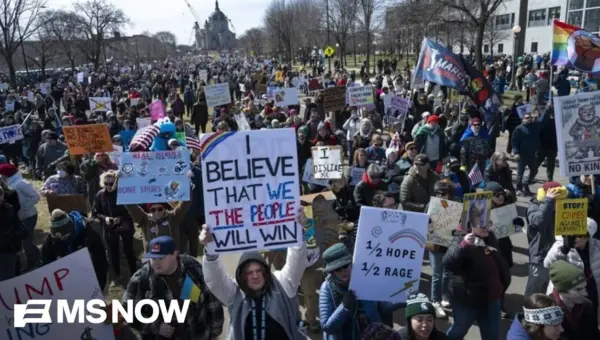
Thousands of Americans are protesting nationwide against President Trump's policies, leading prominent figures like George Conway to state that Republican politicians are "sweating bullets." The administration's response has been largely dismissive, while critics argue it's actively attacking First Amendment rights. The protests highlight deep concerns about the economy, immigration, and foreign policy.
Millions March Nationwide Protesting Trump Administration Policies
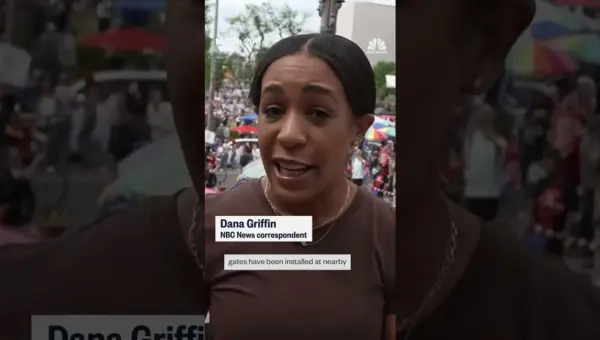
Millions of Americans participated in 'No Kings' rallies nationwide, protesting the Trump administration's immigration and foreign policies. The demonstrations, estimated to be one of the largest nonviolent actions in U.S. history, occurred across all 50 states and internationally. Organizers noted a significant presence in battleground and Republican-leaning areas.

US Elites Clash Over DHS Secretary’s Blue-Collar Roots
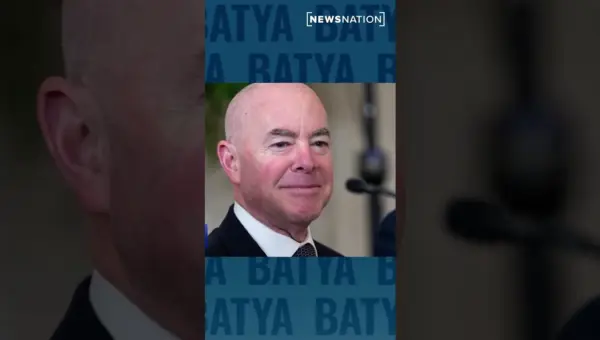
Comedian Jimmy Kimmel's jokes about Homeland Security Secretary Alejandro Mayorkas's past as a plumber have ignited a debate about class and competence in U.S. politics. Critics decry the comments as elitist, while others question the qualifications needed for top government roles, touching on economic impacts and historical precedents.