President Orders Back Pay for TSA Amid Airport Chaos
President Trump signed an executive order to pay TSA employees after a partial government shutdown left them without pay for over a month. The move comes amid widespread airport delays and frustration during spring break travel. The order aims to provide immediate relief while underlying funding disputes continue.

President Orders Back Pay for TSA Amid Airport Chaos
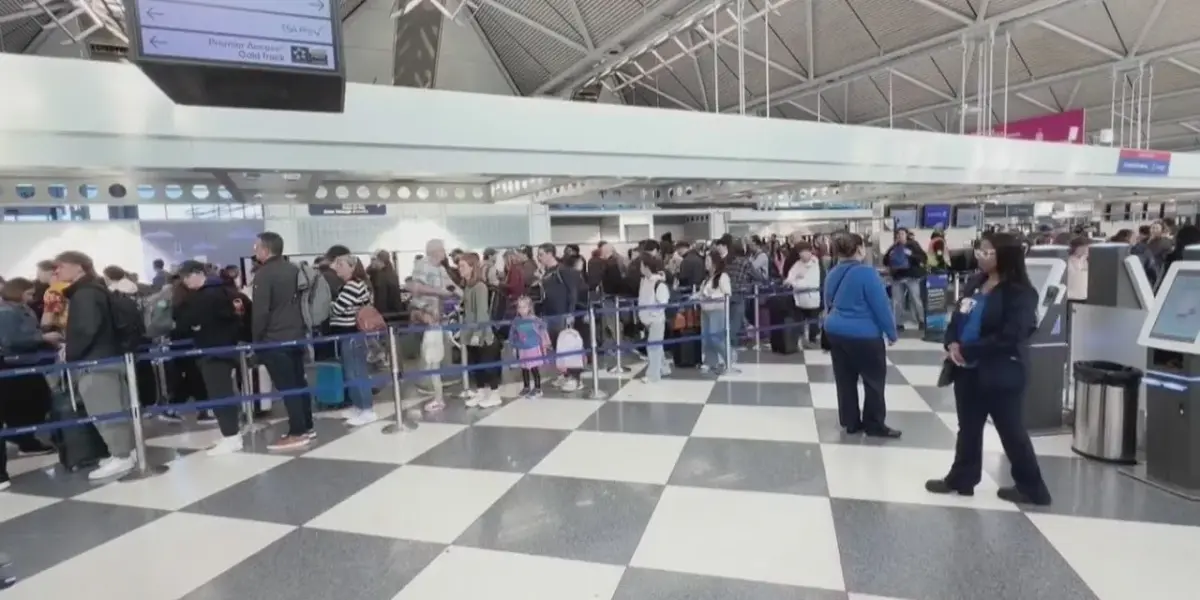
Travelers faced continued frustration at airports across the United States as the partial government shutdown stretched on, impacting essential services like the Transportation Security Administration (TSA). Many TSA agents have gone without pay for over a month, leading to increased absences and longer security lines. This situation reached a critical point, prompting a direct intervention from President Donald Trump.
Executive Order Aims to Resolve Pay Crisis
On Friday, President Trump signed an executive order directing the Department of Homeland Security (DHS) to pay TSA employees. This move came after legislative efforts to end the shutdown stalled in Congress. House Republicans had put forward a short-term funding bill, but Democrats quickly dismissed it. Meanwhile, a bill passed by the Senate was rejected by House leaders, who called it a “joke.” New DHS Secretary Mark Wayne Mullin stated that TSA agents could see their overdue paychecks as early as Monday, offering a glimmer of hope to the affected workers.
Spring Break Crowds Worsen Delays
The ongoing pay issues have been particularly difficult during the spring break travel season. With many airports already busy, the absence of TSA officers exacerbated the problem. Over 12% of TSA workers called out sick on Friday alone, according to officials. Major airports nationwide reported significant numbers of TSA staff not showing up for work. This has resulted in extensive delays and cancellations, with FlightAware reporting over 4,000 flights delayed or canceled across the U.S. on the day of the report. Some airports have seen TSA officers miss their second full paycheck, leading to understandable financial strain.
ICE Agents Fill Gaps, Sparking Controversy
In some airports, Immigration and Customs Enforcement (ICE) agents have been called in to help manage security. This has led to visible and sometimes controversial situations. At San Francisco International Airport, video showed federal immigration officers detaining a woman who authorities said was in the U.S. illegally and had a deportation order from 2019. The footage captured the woman being restrained while her young daughter watched, highlighting the complex and often difficult work being done by federal agents during this period.
TSA Agents Remain Dedicated Despite Hardship
Despite the lack of pay, many TSA officers have continued to report for duty. Airport officials emphasized the dedication of these workers, noting that they take their responsibility for public safety very seriously. While they clearly desire to be paid for their work, their commitment to ensuring the safety of the flying public has remained evident throughout the shutdown. The executive order aims to acknowledge this dedication and provide much-needed financial relief.
Global Impact: Airport Security and Trust
The situation at U.S. airports has broader implications. Reliable and efficient airport security is crucial for international travel and trade. When security checkpoints are understaffed or overwhelmed, it can disrupt global travel plans and affect tourism and business. This disruption can also impact the perception of safety and reliability of U.S. transportation infrastructure. The reliance on ICE agents for TSA duties also raises questions about the allocation of federal resources and the potential for mission creep, where one agency takes on the responsibilities of another.
Historical Context: Government Shutdowns and Federal Workers
Government shutdowns are not new in U.S. history. They typically occur when Congress cannot agree on spending bills. Federal workers, including those in essential services, often face uncertainty and missed paychecks during these periods. However, the direct impact on critical infrastructure like airport security, and the subsequent need for executive action to ensure payment, underscores the severity of this particular shutdown. Past shutdowns have led to public outcry and eventually political pressure to resolve funding disputes, often with retroactive pay for affected workers.
Economic Leverage: Funding Disputes and Travel Costs
The core of the airport disruption lies in a political disagreement over funding. The ability to control government budgets is a significant form of economic leverage for lawmakers. By withholding funding, they can try to force concessions from the opposing party on other issues. For travelers, the economic impact is seen in delayed or canceled flights, potential missed connections, and the general frustration that can add stress to travel. The reliance on funds from a “big beautiful bill,” as mentioned by the President, suggests a larger political battle over spending priorities.
Future Scenarios: Resolution and Lingering Effects
With the executive order providing immediate pay, the most pressing issue for TSA agents may be resolved. However, the underlying political dispute that led to the shutdown remains. Future scenarios include a long-term funding agreement being reached, ending the shutdown entirely, or the possibility of further disruptions if political divisions persist. The long lines and increased absences at airports may continue for some time as TSA works to recover from the backlog and potential staff morale issues. The incident also raises questions about the long-term stability of funding for critical security agencies.
Source: Airports still slammed by TSA shortage amid stopgap to pay DHS | NewsNation Prime (YouTube)

Related Articles


Shutdown Squeezes Essential Workers, Threatens Security
TSA agents are working longer hours without pay during the U.S. government shutdown, forcing them to take on second jobs and seek financial relief. The shutdown creates significant stress for essential workers and raises concerns about national security and the government's ability to function.

Protests Erupt Nationwide Amidst Airport Chaos and Mideast Tensions
Millions protested President Trump's agenda nationwide amid escalating Mideast tensions and severe airport disruptions caused by the government shutdown. Meanwhile, future doctors celebrated "Match Day," and economic analysts warned of significant risks from the ongoing global conflicts.


Trump’s Tangents: A Pattern of Distraction?
A former aide to Donald Trump, Miles Taylor, has detailed a recurring pattern of distraction and tangents in the former president's behavior. Taylor shared an anecdote from early in Trump's term about a hurricane discussion being derailed by talk of helicopters. He argues that this lack of focus and the absence of redirection are concerning, especially in critical moments.