Millions Rally Against Trump in “No Kings” Protests Nationwide
Millions participated in "No Kings" protests nationwide on March 28th, expressing opposition to President Trump's agenda. Demonstrations in cities like Los Angeles and New York highlighted widespread concerns over constitutional rights and the direction of the country. Participants called for greater mobilization beyond just voting to influence policy.

Massive Turnout for “No Kings” Demonstrations
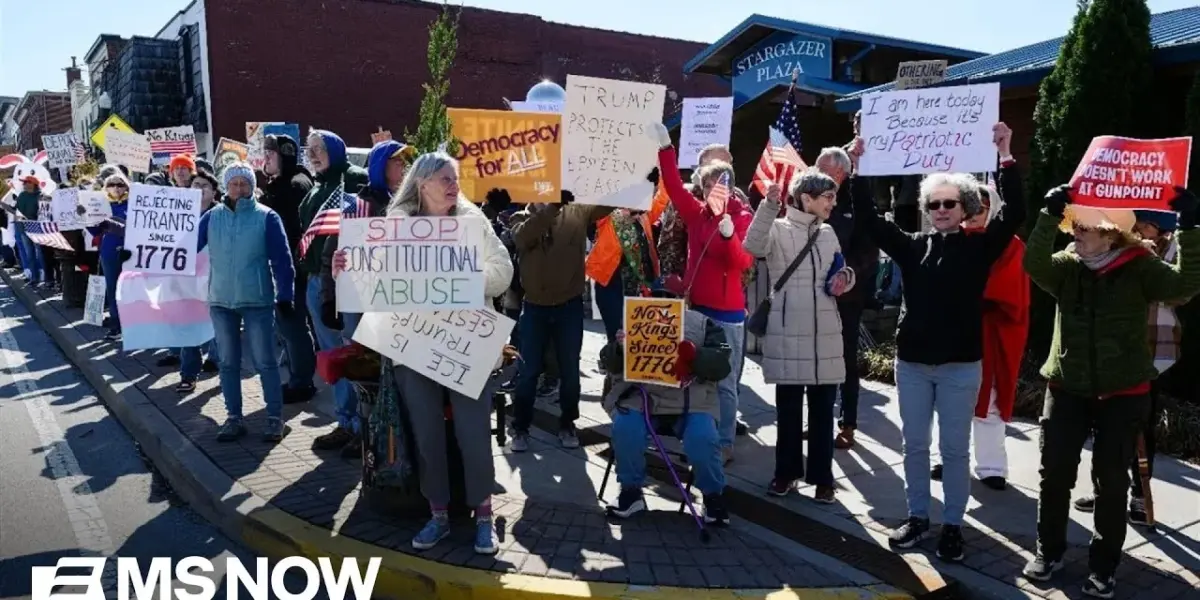
Thousands, and potentially millions, took to the streets across the United States on March 28th in a series of coordinated protests dubbed “No Kings.” The demonstrations, which saw significant turnouts in major cities like Los Angeles and New York, aimed to voice widespread opposition to President Trump’s agenda and policies.
Los Angeles: A Hub of Activism
In Los Angeles, a major rally gathered at the iconic City Hall, drawing thousands of participants. MSNC correspondent Jacob Soboroff reported live from the scene, observing the vibrant displays of dissent. “All over the country, the scenes look exactly like they do in Los Angeles,” Soboroff noted, highlighting the national scope of the movement. This marked the third major protest he had covered in Los Angeles over the past year, following events in June and October.
Voices of Protest
Protesters shared their motivations and concerns with Soboroff. One participant, who identified herself as a grandmother, proudly displayed a sign that read, “This is the only throne Trump is fit for.” She expressed deep concern over the current state of the nation, stating, “All our constitutional rights are being trampled on. Laws are totally being disregarded. The courts are being disregarded.” She felt that the checks and balances essential to American democracy were absent, leading to a sense of authoritarianism.
“It feels like authoritarianism. It feels like there are no checks and balances in this country.”
Another protester, Eve, echoed these sentiments, telling Soboroff, “I love democracy. I don’t love what’s happening with this country right now.” The widespread feeling among attendees was a deep dissatisfaction with the direction of the country under the current administration.
Roots of the Movement in L.A.
Soboroff explained that the recent wave of activism in Los Angeles was partly ignited by ICE raids that began on June 6th, with the fashion district serving as an early flashpoint. Federal and National Guard troops were stationed in the area, leading to confrontations with protesters. “This is where it all started, you guys,” Soboroff emphasized, referring to the initial response to the raids. He noted that the protests had grown beyond immigration issues to encompass broader opposition to the Trump administration’s actions, including tariffs that significantly impacted workers in Los Angeles.
Union Participation and Broader Concerns
Members of the Service Employees International Union (SEIU) were also a visible presence at the rallies. David Huerta, a leader within the movement, had been notably involved in earlier protests. An SEIU representative explained their continued participation: “We’re trying to fight for a better life for our members. They take care of the neediest in our community and we want to make sure they have a country they deserve.”
The protests also touched upon current geopolitical events, with participants expressing concerns that extended to the nation’s foreign policy. Soboroff noted that the upcoming midterm elections were also a significant factor, with many attendees feeling that simply protesting in large numbers was not enough. There was a strong call for active mobilization to influence policy and ensure that the administration understood the depth of public opposition.
Response to Federal Intervention Talk
Soboroff addressed President Trump’s recent suggestions of sending federalized troops to Los Angeles to combat crime. He recalled a previous instance in October where a Marine, identified as Ross, expressed frustration over being deployed to what he perceived as a peaceful city, based on Trump’s characterization of it as “lawless and unruly.” Soboroff stressed that the current demonstrations were peaceful, contrasting them with the administration’s rhetoric. He also pointed to past incidents, like the forceful police response in MacArthur Park, as examples of what Angelenos do not want. Local leaders and law enforcement, he reported, also do not believe federal intervention of that nature is necessary.
Looking Ahead
The “No Kings” protests demonstrated a significant and unified opposition to the Trump administration, fueled by a range of concerns from immigration and economic policies to broader democratic principles. As the midterm elections approach and national tensions remain high, the momentum generated by these massive demonstrations suggests that public activism will continue to play a crucial role in shaping the political landscape.
Source: MASSIVE TURNOUT- At least 8 MILLION march in “No Kings” protest against Trump (YouTube)

Related Articles
Trumpism’s Fall? Voters Spark a Movement for Change
A powerful speech challenges the current political direction, urging voters to become active participants. It calls for accountability, a focus on working-class needs, and a vision for a future with healthcare for all and serious climate action. The movement aims to mobilize voters for upcoming elections to bring about significant change.
Millions March Nationwide Protesting Trump Administration Policies
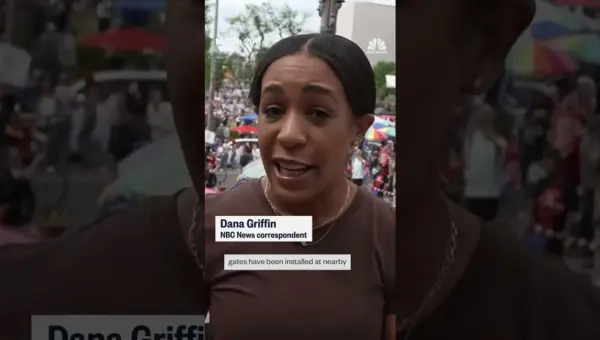
Millions of Americans participated in 'No Kings' rallies nationwide, protesting the Trump administration's immigration and foreign policies. The demonstrations, estimated to be one of the largest nonviolent actions in U.S. history, occurred across all 50 states and internationally. Organizers noted a significant presence in battleground and Republican-leaning areas.
Massive ‘No Kings’ Protests Challenge Trump’s Power
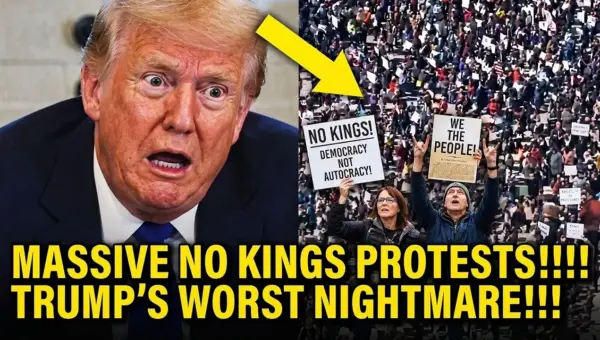
Millions participated in 'No Kings' protests globally, voicing strong opposition to Donald Trump's leadership and policies. Rallies across major cities and smaller communities highlighted concerns about foreign policy, economic hardship, and democratic values. Political figures joined the demonstrators, amplifying calls for accountability and change.