Shutdown Squeezes Essential Workers, Threatens Security
TSA agents are working longer hours without pay during the U.S. government shutdown, forcing them to take on second jobs and seek financial relief. The shutdown creates significant stress for essential workers and raises concerns about national security and the government's ability to function.


Shutdown Squeezes Essential Workers, Threatens Security
The U.S. government shutdown is causing major problems for workers who keep the country running. Many of these essential workers, like those at the Transportation Security Administration (TSA), are not getting paid. This forces them to work long hours and take on extra jobs just to make ends meet. The situation is creating stress and uncertainty, and it raises questions about national security.
TSA Agents Face Financial Hardship
A TSA agent from Minneapolis-Saint Paul International Airport shared their difficult experience. They explained that the shutdown has stretched their work shifts from a normal six hours to as long as 15 hours. This is happening while they are not receiving a paycheck. To cope with the lack of income, many TSA employees have had to dip into their savings or find second or even third jobs. This agent mentioned taking on a second job during a previous shutdown. This shows the financial strain these workers are under, impacting them across the board.
A Plea for Government Action
The TSA agent’s firsthand account of their struggles went viral. They posted a video explaining their situation and made a direct appeal to lawmakers. In the video, the agent described finishing a long shift from 4:00 AM to 4:30 PM, still not getting paid for it. They urged Congress to pass legislation to fund the rest of the government. This plea highlights the frustration and desperation felt by many federal employees affected by the shutdown.
Workers Demand Recognition and Pay
The agent’s message to lawmakers was clear: recognize these workers as essential and pay them accordingly. They stated, “We’re here. We’re ready to protect the skies.” The agent emphasized that these are good people who show up to work every day. If they are considered essential workers, their pay should reflect that. The agent called the situation “ridiculous” that it has taken so long to resolve.
Hope for Resolution Amidst Uncertainty
Despite the hardships, the TSA agent expressed hope that a resolution is coming. They are waiting to see if a bill to fund the government will pass, calling it a “light at the end of the tunnel.” The agent also thanked the public for their support. This sentiment shows that while the situation is dire, there is still a desire for the government to function properly and support its employees.
Global Impact
While this transcript focuses on U.S. domestic issues, extended government shutdowns can have wider implications. They can signal political instability to international partners and investors. Disruptions to federal agencies, including those involved in international trade and diplomacy, can slow down global business. Furthermore, the well-being of essential workers directly impacts the efficiency and security of critical infrastructure, which can affect international travel and trade flows.
Why This Reshapes the World Order
This situation highlights a fundamental challenge in modern governance: how to balance political disagreements with the need for stable, functioning government services. When essential workers are not paid, it erodes public trust and can weaken the perceived competence of a nation’s leadership. This can affect a country’s standing on the global stage. Other nations may see this as a sign of internal weakness. It could influence diplomatic relations, trade negotiations, and even security alliances. A country that struggles to pay its own essential workers may be seen as less reliable or capable in international affairs.
Historical Context
Government shutdowns are not new in the United States. They have occurred periodically when Congress cannot agree on spending bills. These shutdowns often stem from deep political divisions over budget priorities. For example, the longest shutdown in U.S. history occurred in late 2018 and early 2019, lasting 35 days. The core issue then, as now, was funding for various government programs and agencies. The current situation echoes past disputes, demonstrating a recurring challenge in American federal governance.
Economic Leverage and Consequences
The economic impact of a shutdown is significant. Federal employees face lost wages, which reduces consumer spending. This can hurt local economies where these workers live. For essential workers like TSA agents, the inability to earn a regular paycheck forces difficult financial choices. This can lead to increased debt or reliance on public assistance. The uncertainty also affects the broader economy, as businesses that rely on government services or contracts may face disruptions. The transcript mentions workers taking on second jobs, which is a direct economic consequence of lost wages.
Regional Alliances and Power Balances
While this event is primarily domestic, prolonged shutdowns can indirectly affect U.S. influence abroad. Allies and rivals alike observe how effectively the U.S. government operates. A perception of internal dysfunction can embolden rivals and make allies question U.S. reliability. This can shift regional power balances if other countries see an opportunity to advance their own interests while the U.S. is preoccupied with domestic issues.
Future Scenarios
One likely scenario is that Congress eventually reaches a compromise to fund the government, ending the shutdown. However, the damage to worker morale and trust may linger. Another possibility is that such shutdowns become more frequent, leading to ongoing instability. A less likely but possible scenario is that the prolonged hardship leads to significant policy changes regarding how essential workers are treated during funding disputes. The immediate future likely involves continued negotiations and a hope for a swift resolution.
Source: Shutdown has varied my shifts from six to 15 hours: TSA agent | NewsNation Prime (YouTube)

Related Articles


States Face War Costs: A Bold Plan to Fund Conflict
A Republican proposal suggests diverting billions from states to fund the war in Iran, sparking debate over national priorities and the "America First" agenda. This plan could cut social programs and healthcare, impacting vulnerable citizens.
Democrats Lose Voters as Working Class Shifts Right
A recent survey reveals a significant shift in American politics, showing a steady decline in Democratic identification. Working-class voters are increasingly leaning Republican, while wealthier individuals are now more likely to be Democrats. This realignment poses challenges for the Democratic party's future electoral success.
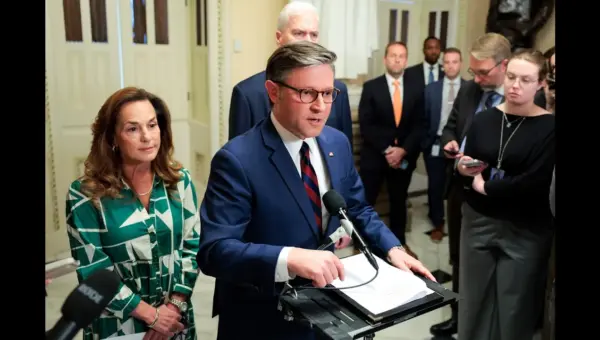
Congress Fails to Fund DHS Amid Shutdown Standoff
The House and Senate remain divided over funding for the Department of Homeland Security, leading to a partial government shutdown. Disagreements over ICE funding and agency operations have stalled progress, impacting federal workers and national security preparedness.