Iran Tightens Strait Grip Amid Escalating US Conflict
Iran is tightening its control over the Strait of Hormuz amid escalating attacks against U.S. forces and allies. Despite U.S. claims of ongoing negotiations, Iran denies talks and demonstrates its power by regulating ship passage. New fronts are opening, with Houthi rebels in Yemen striking Israel, further complicating the volatile regional conflict.

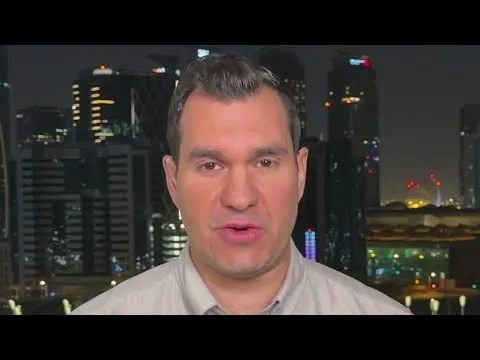
Iran Tightens Strait Grip Amid Escalating US Conflict
US Faces Growing Attacks, Seeks Deal as Iran Expands Influence
The United States finds itself in a difficult position, facing increasing attacks from Iran and its allies. Despite ongoing military actions, President Trump claims Iran is seeking a deal to end the conflict. However, Iran denies these claims and continues to demonstrate its control over vital shipping lanes. This situation marks one month since the start of Operation Epic Fury, a U.S. military effort. The U.S. has struck over 11,000 targets and more than 150 Iranian vessels. But the conflict is spreading, with new actors entering the fight.
New Front Opens in Yemen, Houthi Rebels Strike Israel
A significant development is the Houthi rebel group in Yemen launching multiple strikes against Israel. The Houthis are a longtime ally of Iran. This marks the first time they have entered this specific conflict. This action opens a new front and shows how Iran’s influence extends beyond its borders. The U.S. is responding by sending more troops to the region. Around 3,500 Marines have arrived aboard the USS Tripoli. Thousands more from the 82nd Airborne Division are also expected.
Iran Allows Ships Through Strait, Signals Control
Meanwhile, Iran has allowed 20 more ships to pass through the Strait of Hormuz. This decision comes despite no formal deal being reached between the U.S. and Iran. The Pakistani Foreign Minister, who is working to mediate between the two countries, sees this as a sign of progress. However, it also clearly shows Iran’s continued control over who can use this crucial waterway. Iran decides who passes and who does not. This indicates Iran is not backing down and is using its strategic position to its advantage.
Attacks Escalate, Wounding US Service Members
The conflict is becoming more dangerous for American forces. Iranian strikes have wounded at least 15 U.S. service members. These attacks occurred at a U.S. air base in Saudi Arabia. Some injuries are serious, including several traumatic brain injuries. The New York Times reported the number of injured could be closer to two dozen. This shows the direct impact of the ongoing hostilities on U.S. personnel.
Iran Denies Negotiations, Continues Military Actions
Iran insists that no negotiations are currently taking place. This contradicts President Trump’s statements. While the U.S. claims success in behind-the-scenes talks, Iran’s actions suggest otherwise. Overnight, the UAE intercepted about 20 Iranian ballistic missiles. This high number of intercepted missiles shows continued Iranian military activity. Additionally, an Iranian drone strike hit a fuel tanker near an airport in Kuwait. These actions highlight the ongoing escalation from both sides and Iran’s proxies.
Global Impact: Strait of Hormuz Vital for World Trade
The Strait of Hormuz is a critical chokepoint for global oil supplies. About 30% of the world’s oil passes through this narrow waterway every day. Any disruption there can significantly impact global energy prices and supply chains. Iran’s control over the strait gives it considerable economic and strategic leverage. The U.S. military presence aims to ensure freedom of navigation, but Iran’s actions challenge this. The ongoing conflict and Iran’s assertive stance risk destabilizing the region further. This could lead to wider economic consequences for countries around the world.
Historical Context: A History of Regional Tensions
Tensions between the U.S. and Iran have a long history, dating back to the 1979 Iranian Revolution. The Strait of Hormuz has been a focal point of this rivalry for decades. Both countries have previously used naval power and threats to influence shipping in the region. Iran has often used its control of the strait as a bargaining chip. The U.S. has responded with military deployments and sanctions. The current situation echoes past confrontations, but the involvement of proxies like the Houthis adds new layers of complexity.
Economic Leverage: Sanctions and Energy Routes
The U.S. has imposed significant sanctions on Iran, aiming to cripple its economy and force it to change its behavior. However, Iran has used its control over the Strait of Hormuz as a form of economic counter-leverage. By allowing or restricting passage, Iran can influence global oil markets. This creates a dynamic where economic pressure from the U.S. is met with strategic maneuvering by Iran. The conflict highlights the deep economic ties and dependencies that make the region so volatile.
Future Scenarios: Escalation or De-escalation?
Several future scenarios are possible. One is continued low-level conflict with sporadic attacks and military buildups. Another is a further escalation, potentially leading to direct military confrontation between the U.S. and Iran. A third, less likely scenario, is a diplomatic breakthrough that de-escalates tensions. The U.S. appears to be seeking a deal, but Iran’s actions suggest it feels empowered. The involvement of regional proxies complicates any potential resolution. The coming weeks will be crucial in determining the direction of this volatile situation.
Source: Iran allows 20 more ships through Strait of Hormuz despite no deal | NewsNation Prime (YouTube)

Related Articles


Zelenskyy: Russia Shares War Intel With Iran
Ukrainian President Volodymyr Zelenskyy revealed that Russia is allegedly sharing war intelligence, including satellite images of U.S. bases, with Iran. He also expressed deep concern over vital weapons intended for Ukraine potentially being diverted to the Middle East amid escalating regional tensions.

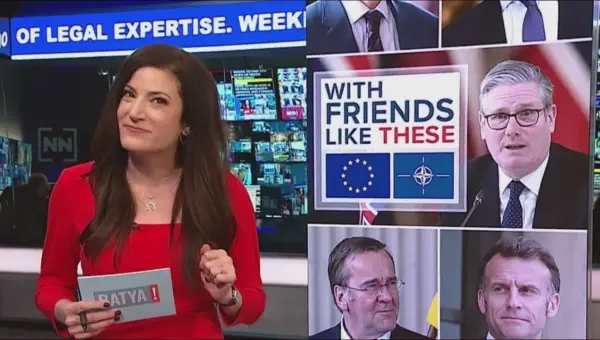
Gulf Allies Rally as Europe Falters on Iran Policy
Gulf nations like Saudi Arabia, UAE, and Qatar are showing strong support for U.S. policy on Iran, contrasting with what the article calls Europe's lack of contribution. This strategic alignment highlights shifting regional power dynamics and economic ties.

Gulf Allies Rise as Europe Falters in Iran Standoff
The US is reporting significant success in its campaign against Iran, crippling its military and nuclear programs. While Gulf allies like Saudi Arabia and the UAE offer strong support, European nations are criticized for their inaction, leading to a potential realignment of global security partnerships.