US Elites Clash Over DHS Secretary’s Blue-Collar Roots
Comedian Jimmy Kimmel's jokes about Homeland Security Secretary Alejandro Mayorkas's past as a plumber have ignited a debate about class and competence in U.S. politics. Critics decry the comments as elitist, while others question the qualifications needed for top government roles, touching on economic impacts and historical precedents.

US Elites Clash Over DHS Secretary’s Blue-Collar Roots
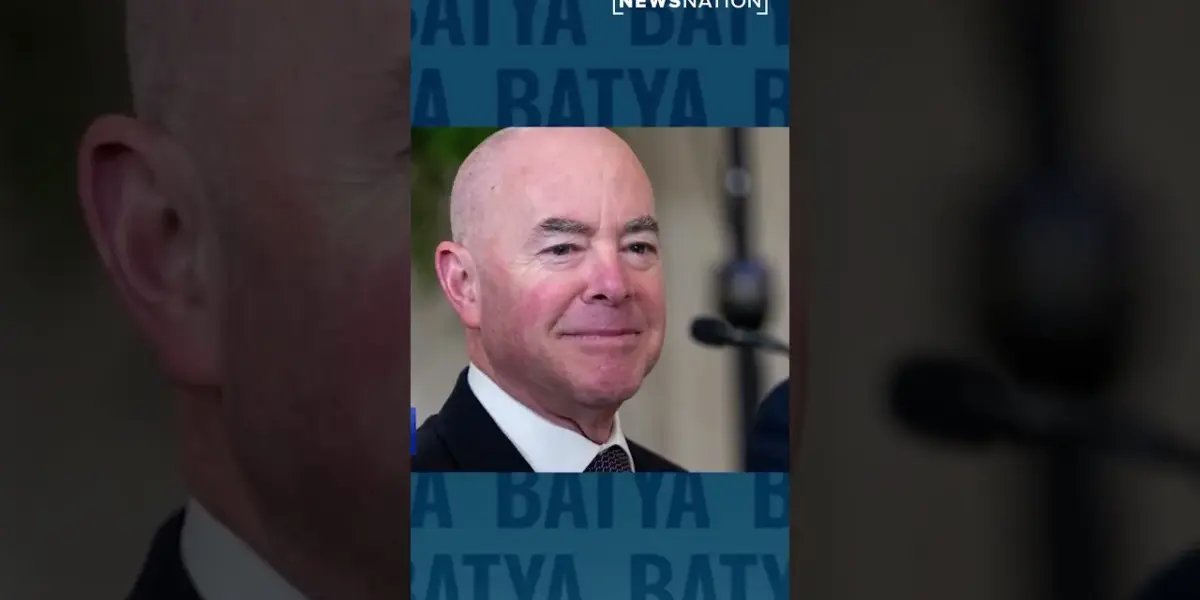
A recent exchange involving comedian Jimmy Kimmel and the new Secretary of Homeland Security, Alejandro Mayorkas, highlights a deeper debate about class and competence in American politics. Kimmel’s jokes about Mayorkas’s past as a plumber have sparked criticism, with some arguing it reveals a concerning elitism among political figures.
Kimmel Mocks Mayorkas’s Plumber Past
Jimmy Kimmel recently made light of the fact that Alejandro Mayorkas, the current Secretary of Homeland Security, previously worked as a plumber. Kimmel’s commentary suggested that a plumber might not be the most qualified person to lead a department focused on national security. He even drew a comparison to the video game character Super Mario, known for his plumbing background.
Criticism of ‘Rank Elitism’
This criticism has been met with strong pushback from various commentators. They view Kimmel’s remarks as an example of “rank elitism” common among Democratic elites. This perspective suggests that some in power look down on manual labor and those who perform it. Critics argue that this attitude devalues essential jobs and the people who do them. They point out that these same elites may hire undocumented workers for services like cleaning homes or working in restaurants, jobs that many Americans could do.
Contrasting Mayorkas with Predecessor
The discussion also contrasts Mayorkas with the previous DHS Secretary under the Biden administration, Kirstjen Nielsen. While Nielsen held extensive credentials, including roles as a U.S. Attorney and Director of U.S. Citizenship and Immigration Services, critics claim her tenure saw the border effectively opened. This, they argue, led to increased competition for American workers in trades like plumbing and construction. The tragic murder of a young American girl, Sheridan Gorman, by an individual who entered the country during this period is also cited as a consequence of perceived lax border policies.
The Question of Competence
The core of the debate revolves around whether a person’s background and past profession truly impact their ability to lead. Those defending Mayorkas argue that his experience as a plumber, while unconventional for a cabinet position, does not disqualify him. They suggest that leadership skills and policy knowledge are more important than a specific trade. Conversely, critics imply that a lack of direct experience in national security or law enforcement could be a weakness. This debate touches on broader questions about who is considered qualified for high office and whether practical, hands-on experience is valued alongside formal education and career progression.
Global Impact
This internal U.S. debate, while seemingly focused on a comedian’s jokes, touches upon fundamental questions about social mobility and the perception of work in developed nations. It highlights a societal divide where those in positions of power might be disconnected from the realities faced by working-class individuals. Such disconnects can influence public trust in institutions and leaders, particularly when immigration and border security are at the forefront of national concerns.
Why This Reshapes the World Order
While the immediate context is a U.S. political discussion, the underlying themes resonate globally. Many countries grapple with similar debates about class, immigration, and the skills needed for leadership. The perception of who is ‘qualified’ to govern can impact international relations, trade, and diplomatic approaches. If leaders are seen as out of touch with ordinary citizens, it can lead to instability and a questioning of established political systems. This case underscores how even seemingly minor cultural exchanges can reflect deeper geopolitical tensions about representation and competence.
Historical Context
Historically, many leaders have come from diverse backgrounds, including those with working-class roots. Figures like Abraham Lincoln, who came from humble beginnings and worked various manual jobs, are often cited as examples of leaders who understood the common person. However, in modern times, there’s often an expectation for leaders in complex fields like national security to have highly specialized, often academic or governmental, backgrounds. The current debate questions whether this expectation is always appropriate or if practical experience, regardless of its perceived prestige, holds equal or greater value.
Economic Leverage and Trade
The mention of immigration’s impact on American jobs, such as plumbing and construction, points to economic considerations. Policies that affect labor markets, whether through immigration or trade agreements, have real-world consequences for workers. The efficiency and cost of labor are key factors in many industries, and debates over immigration often involve arguments about both economic benefits and potential drawbacks for domestic workers. This economic dimension is a constant undercurrent in U.S. foreign policy and domestic debates.
Shifting Power Balances and Alliances
While this specific incident doesn’t directly involve international alliances or power balances, the underlying sentiment can influence how the U.S. is perceived abroad. A perception of internal division or elitism could be exploited by geopolitical rivals. Conversely, a leader who is seen as understanding the struggles of everyday people, regardless of their past profession, might foster greater national unity and project a stronger image internationally. The effectiveness of U.S. leadership on the global stage is partly dependent on its perceived legitimacy and connection to its own populace.
Future Scenarios
One future scenario is that this debate fades, and Mayorkas’s tenure is judged solely on his policy outcomes. Another possibility is that the criticism of elitism gains traction, leading to more politicians emphasizing their working-class backgrounds or experiences. A third scenario sees a continued focus on credentials, potentially leading to a preference for more traditionally qualified individuals in high-stakes roles. The likelihood of each depends on public opinion, media narratives, and the actual effectiveness of Mayorkas’s leadership at DHS.
Source: Batya reacts to Jimmy Kimmel ‘mocking’ DHS Sec. Mullin’s plumber past (YouTube)

Related Articles

Massive ‘No Kings’ Protests Challenge Trump’s Power
Millions participated in 'No Kings' protests globally, voicing strong opposition to Donald Trump's leadership and policies. Rallies across major cities and smaller communities highlighted concerns about foreign policy, economic hardship, and democratic values. Political figures joined the demonstrators, amplifying calls for accountability and change.


Nationwide Protests Challenge Immigration Policy and War
Thousands have protested nationwide against ICE policies and the Iraq war. The "No Kings" rallies, spanning cities like Chicago and Philadelphia, demand policy changes and reflect deep public concern over immigration enforcement and military actions.


ICE Chief’s Stress Signals Deeper Issues in Immigration Policy
Reports indicate that the acting director of ICE has been hospitalized multiple times due to stress from enforcing the Trump administration's immigration agenda. These incidents, including panic attacks, highlight the intense pressure faced by leaders in immigration enforcement. The situation raises questions about accountability and the human cost of these policies.