Protesters March Nationwide; Police Focus on Safety
Millions of Americans participated in nationwide 'No Kings Day' protests, with organizers prioritizing peaceful demonstrations. Law enforcement employed a multi-faceted strategy involving intelligence, undercover officers, and direct communication to ensure safety and protect First Amendment rights. Challenges arose as night fell and potential 'bad actors' posed risks, requiring enhanced vigilance and resources.

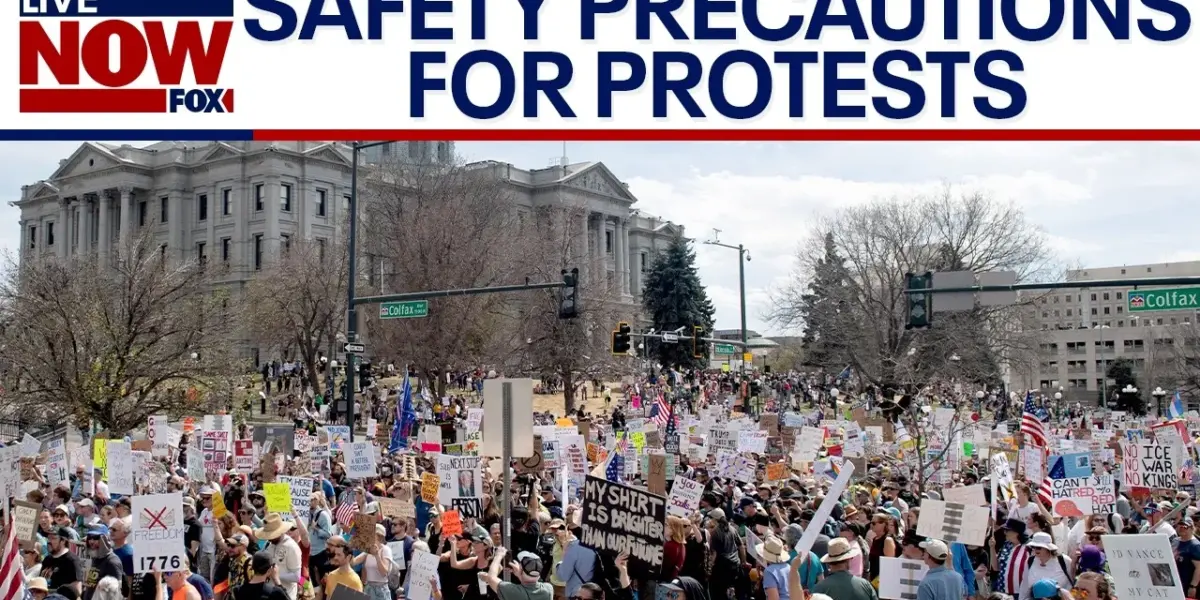
Millions Take to Streets in ‘No Kings’ Rallies Nationwide
Millions of Americans participated in over 3,000 demonstrations across all 50 states as part of the ‘No Kings Day’ protests against the Trump administration. The mass rallies, which saw millions expected to participate, took place in major cities nationwide, with organizers emphasizing peaceful demonstration.
Organizers Prioritize Peaceful Protests
The ‘No Kings Day’ movement is characterized by its organization, including a website and a pre-registration process for participants. This approach allows law enforcement to estimate crowd sizes and work with legitimate protesters. Organizers have consistently voiced their desire for peaceful events, understanding that violence can distract from their message.
“Ultimately, that is what we’ve been hearing from event organizers too is we want these to be peaceful demonstrations. It muddies the message if you don’t peacefully demonstrate.”
Law Enforcement’s Role in Ensuring Safety
Law enforcement agencies prepared for the widespread demonstrations by coordinating closely with event organizers weeks in advance. On the ground, officers worked to keep crowds contained to specific areas or streets, avoiding widespread disruption of city traffic. This strategy relies heavily on communication between law enforcement and protest leaders.
A mix of local police, sheriff’s departments, and specialized units like SWAT were involved. Intelligence agents monitored online chatter for potential issues, while undercover officers were present within crowds to identify and address individuals intending to cause trouble, often referred to as ‘bad actors’. This approach aims to protect the rights of peaceful protesters without escalating tensions.
Officers were often seen in regular uniforms rather than riot gear to avoid provoking the crowd. This strategy is part of an effort to de-escalate potential conflicts and ensure protesters can exercise their First Amendment rights safely.
Navigating Complex Social and Political Tensions
The protests occurred against a backdrop of high national tension, influenced by recent events such as airport security issues and the ongoing conflict in the Middle East. Demonstrators displayed various flags, including American and Palestinian flags, reflecting a broad range of concerns, including opposition to U.S. actions related to Iran.
“The tension in the United States right now is high. We have the Middle East on fire, and a lot of people are anti this any action in Iran.”
The right to protest peacefully is a cornerstone of the First Amendment. However, law enforcement is prepared to address situations that become unruly or violent, removing individuals who disrupt the peace.
Challenges of Nightfall and ‘Bad Actors’
As daylight faded, law enforcement faced additional challenges. Nightfall can make it harder to identify individuals, particularly those attempting to blend into the shadows. The presence of alcohol can also increase the likelihood of disruptive behavior from a small number of individuals, referred to as ‘bad actors’.
Law enforcement agencies utilized resources like aviation units with powerful lights to help illuminate areas and identify potential threats during nighttime hours. This proactive approach aims to maintain safety and order throughout the duration of the demonstrations.
Advice for Participants and Observers
Former sheriff’s detective Jamie Copenhaver advised participants to exercise their First Amendment rights but to remain vigilant. He urged attendees to report any suspicious activity or individuals causing trouble to law enforcement. Copenhaver also stressed the importance of having an exit plan when attending large gatherings, especially given the current climate.
“If you see these bad actors out there, find law enforcement and and alert them,” Copenhaver stated. “If you have a bad actor or a bad apple, if you will, in the dozen, it’s going to ruin the whole dozen.”
Looking Ahead
The widespread nature and organized approach of the ‘No Kings Day’ protests highlight the ongoing importance of public demonstration and the complex role of law enforcement in balancing public safety with civil liberties. Future demonstrations will likely continue to see similar strategies employed by both organizers and authorities to ensure peaceful expression while mitigating potential risks.
Source: Safety measures taken during ‘No Kings’ rallies nationwide (YouTube)

Related Articles

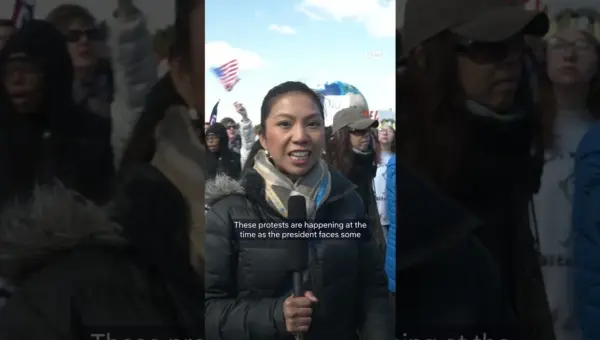
Millions Protest Trump Administration Amidst Economic Woes
Millions of Americans are protesting the Trump administration nationwide over rising gas prices and the conflict in Iran. The "No Kings" movement spans all 50 states, with participants citing economic hardship and foreign policy as key concerns. The protests come as President Trump faces declining approval ratings, raising questions about their potential impact on upcoming midterm elections.
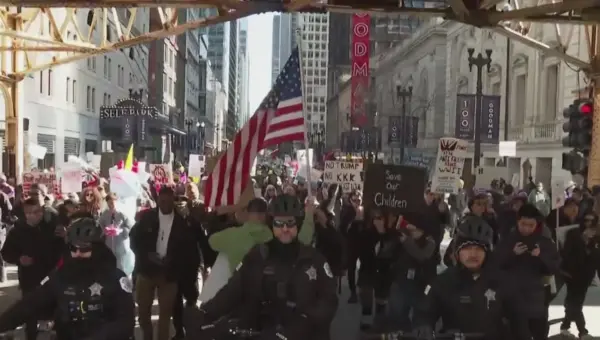
Nationwide Protests Challenge Immigration Policy and War
Thousands have protested nationwide against ICE policies and the Iraq war. The "No Kings" rallies, spanning cities like Chicago and Philadelphia, demand policy changes and reflect deep public concern over immigration enforcement and military actions.
Trump Flees CPAC Amidst Growing Protests and MAGA Meltdown
Donald Trump's absence from CPAC highlights the Republican party's struggles, with plummeting attendance and internal confusion. This comes as millions are expected to protest, signaling a deep public divide and a fracturing MAGA movement.