Iranian Americans Divided Over US-Israel Actions in Iran
Iranian Americans are deeply divided over the U.S. and Israel's actions concerning Iran, with many fearing foreign intervention and its impact on civilians. The conflict has strained communication with loved ones inside Iran due to internet blackouts, intensifying anxiety.

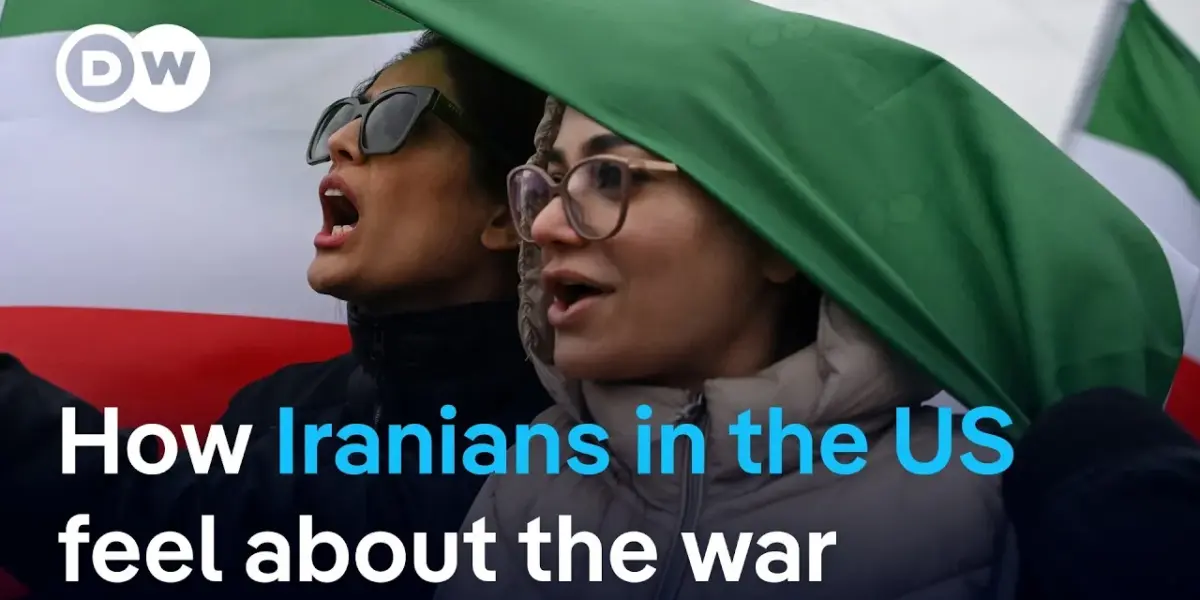
Iranian Americans Feel Deep Anxiety Amidst Escalating Conflict
Many Iranians living in the United States are experiencing intense worry and division regarding the ongoing conflict involving the U.S. and Israel and its impact on their homeland. While there is widespread agreement among Iranian-Americans in their disapproval of the current Iranian government, opinions diverge sharply on how the United States and Israel are handling the situation. This split highlights deep-seated concerns about foreign intervention and the potential for further suffering within Iran.
Concerns Echo Past Interventions
A significant portion of the Iranian-American community expresses strong reservations about the United States becoming involved in another overseas conflict, especially with the stated aim of regime change. These individuals draw parallels to past U.S. interventions, such as in Iraq, fostering a deep sense of wariness about American intentions. The historical context, including events like the 1953 coup that overthrew Prime Minister Mosaddegh, fuels this anxiety. Many fear that U.S. involvement could prolong and worsen the conflict, leading to devastating consequences for the country and its civilians.
Differing Views on Regime Change
However, not all Iranian-Americans share these exact concerns. Some, particularly those on the West Coast, appear more open to the idea that U.S. involvement could facilitate regime change. This perspective acknowledges the desire for a different government in Iran but differs on the methods and potential outcomes of foreign intervention. As the conflict has dragged on for over a month, an increasing number of people are voicing fears that the country’s infrastructure could be significantly damaged, leaving little behind for ordinary citizens.
Struggles to Connect with Loved Ones
The human cost of the conflict is acutely felt by those with family and friends still in Iran. Staying in touch has become incredibly difficult due to widespread internet blackouts within the country, with connectivity reportedly hovering around 1% for weeks. This scarcity of communication leaves many Iranian-Americans anxious, constantly wondering about the safety of their loved ones and fearing they may have fallen victim to bombings. The inability to get timely updates creates immense emotional distress.
“People are very, very anxious. A lot of people are staying up through the night to try and get hold of people. WhatsApp messages, Telegram messages tend to not always go through.”
Fears of a Ground War
The prospect of a ground war in Iran is a major source of anxiety for the Iranian-American community. Experts point to the United States’ historically poor track record with interventions in the Middle East. The fear is that deploying ground troops would escalate an already dire situation with no clear end in sight. This sentiment is not isolated to the Iranian-American population; polls suggest that many Americans also oppose the war, feeling the economic pressures, such as rising gas prices, and are wary of further entanglement.
A Divided Community on the Path Forward
The question of how to achieve regime change, rather than whether it is desirable, is the primary source of division within the Iranian-American community and even within Iran itself. Journalist Caroline Amodoresi emphasizes that Iran, with its population of 92 million, is not a monolithic entity. People hold diverse opinions and allegiances, much like in any other country. The community’s worst-case scenario often involves an emboldened Iranian regime that remains in power, especially if international pressure wanes. This concern is amplified by the regime’s violent response to anti-government protests, where thousands were reportedly killed in January.
Uncertain Future and Ongoing Threats
The ongoing threat of bombings by the United States and Israel, coupled with the potential for an increasingly violent regime, creates a deeply troubling outlook for many Iranian-Americans. They grapple with the uncertainty of what the future holds for their homeland and the well-being of its people. The complex geopolitical situation leaves the community watching closely, hoping for a resolution that does not come at an unbearable human cost.
Source: How Iranians in the US feel about the US-Israel war on Iran | DW News (YouTube)

Related Articles

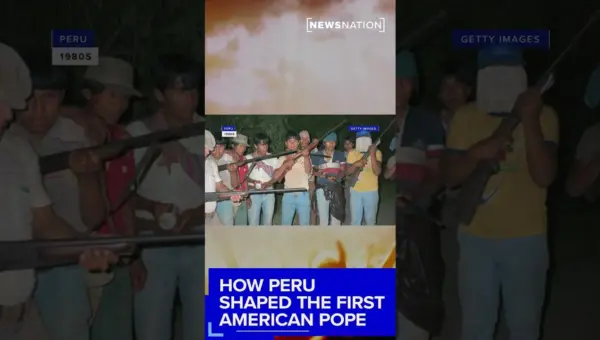
Pope Francis’s Peruvian Roots Shape Global Diplomacy
Pope Francis's early years in Peru during a period of intense poverty and terrorism profoundly shaped his diplomatic approach. Witnessing extreme hardship and choosing to stay with the community through danger instilled a deep empathy and commitment to peace that guides his global leadership.

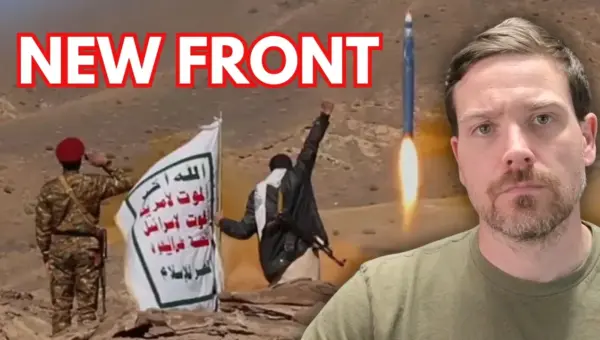
Houthis Join War, Expanding Conflict as US Sends Troops
The Houthi group from Yemen has joined the war, firing missiles at Israel and expanding the conflict. Simultaneously, the US is increasing its military presence in the region with thousands of Marines arriving and more troops potentially on the way. This escalation raises concerns about key shipping routes and the difficulty of achieving a peaceful resolution.


Putin Faces Internal Threats Amidst War Woes
Russia faces internal threats as the Ukraine war continues, with President Putin concerned about returning soldiers and the economic fallout impacting his inner circle. Meanwhile, Ukraine's military capabilities are growing, and global instability persists.