Jimmy O. Yang Blasts “Small Dick” Stereotype
Comedian Jimmy O. Yang tackles persistent Asian stereotypes, Hollywood casting, and the evolution of comedy. He also shares insights into his parents' marriage and his innovative approach to releasing his own comedy special.

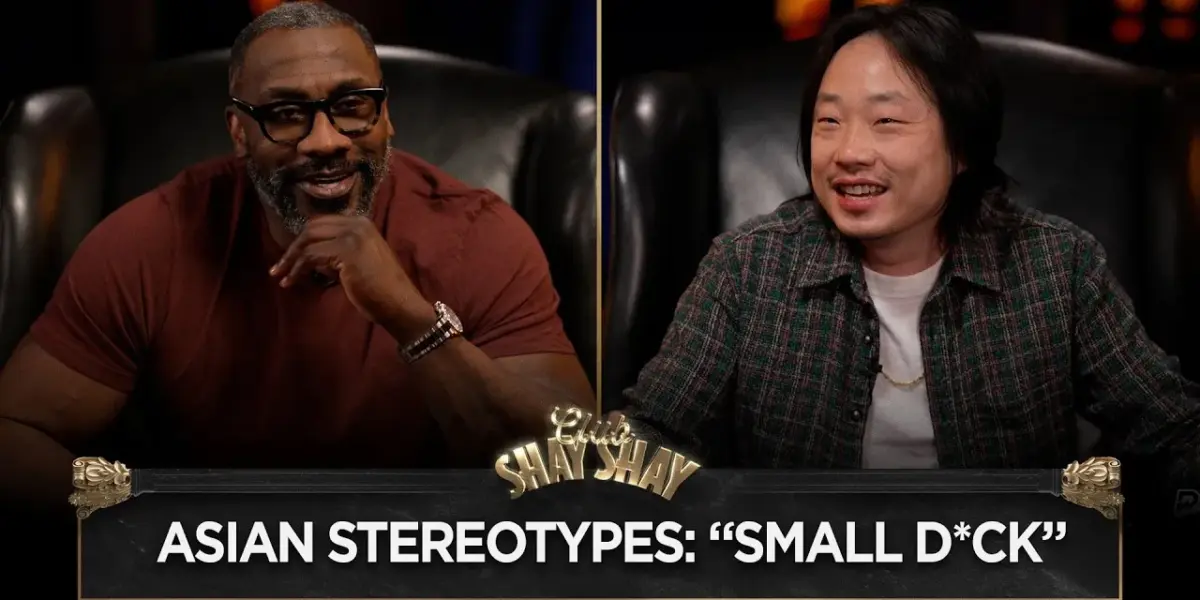
Jimmy O. Yang Sounds Off on Harmful Stereotypes, Hollywood’s Casting Calls
Comedian Jimmy O. Yang isn’t holding back when it comes to the stereotypes he’s tired of hearing about Asian men. In a recent interview, Yang didn’t mince words about the persistent and frankly, untrue, ‘small penis’ stereotype. He shared how frustrating it is to hear this outdated notion, even from people who claim to be impressed he doesn’t fit the mold. “First of all, not true,” Yang stated emphatically, recalling a joke from his early career. He explained how a woman once told him, “Oh my god, the stereotype is not true. You don’t have a small penis.” Yang’s witty, yet pointed, response was, “Thank you, but you just insulted my entire race of people.” This highlights the absurdity of relying on harmful generalizations.
Yang also touched upon the infamous ‘Rush Hour’ movies and the recent trend of adding content disclaimers to older films. He questioned whether such disclaimers are necessary, suggesting that movies should be viewed in the context of their time. “Comedy evolves and comedy lives in that time,” he explained. “You got to watch that for what it is.” He believes that while jokes from the past might not land today, they served their purpose and paved the way for new comedy. “I don’t think we should like delete it, forget it, you know? I think there’s a place in time for everything.”
Hollywood’s Casting Conundrum
The conversation then shifted to a topic close to home for many actors: casting. Yang expressed his frustration when non-Asian actors are cast in Asian roles, especially given the limited opportunities already available. “Yeah, that that kind of sucks, right? Because we already don’t have a lot of roles, man. And then, you know, you couldn’t find one Asian,” he lamented. He pointed to historical examples like actors darkening their skin or taping their eyes to play Asian characters, citing Charlie Chan as a prime example of whitewashing. “So, I I think at least I think studios are aware of that now, right? They don’t do that. Hopefully,” Yang added, expressing a hopeful outlook for the future.
A Look Inside Long-Lasting Love
Shifting gears, Yang offered some personal insights into his parents’ decades-long marriage. When asked about the secret to their success, he admitted he hadn’t directly asked them but had observed their dynamic. “It doesn’t matter how bad the argument is, they’re not leaving each other,” he noted. He believes the foundation of their relationship is a deep sense of commitment and partnership, rather than constant overt displays of affection. “We’re each other’s person. We built the family together. And maybe it’s not overt love, I’m sure there’s love in there, but it’s a care and this is my family that I built with this person.” This steadfastness, he suggests, provides a crucial safety net within the relationship.
He also humorously acknowledged his father’s perceived good fortune in marrying his mother. “My dad definitely scored. Like my mom was and still is like very pretty. She looks very young.” Yang described his father as a funny but sometimes difficult person, suggesting that his mother’s ability to put up with him might be another key ingredient. He also observed a growing, more visible, show of affection between his parents over the years, noting how they genuinely care for each other, especially when one is traveling. “It’s cute to see and they’re quite happy together.”
Comedy’s Big Leagues and Owning the Art
The interview also delved into the overwhelming demand for Yang’s comedy shows. He expressed surprise at how difficult tickets were to obtain, even comparing the demand to Lady Gaga concerts. “I really didn’t expect that reaction and I was super happy, but at the same time, it’s a new level of stress I’ve never experienced,” he admitted. The surge in demand has led to issues with scalpers marking up prices significantly, causing distress for fans. To combat this, Yang has implemented strategies like adding extra shows and offering exclusive sign-up links to his email list to try and ensure fans can get tickets at face value.
Despite the challenges of selling out arenas, Yang finds immense joy in stand-up, though he admits his sweet spot for an audience is around 2,000 people. He acknowledges that while larger venues like arenas and stadiums offer a grander spectacle, they can sometimes lack the intimacy of smaller theaters. “It becomes a different thing. And that’s why I got fireworks. That’s why I pop up. I want to give them something special,” he said, referring to the elaborate shows he now puts on for larger crowds. However, he still believes that intimate stand-up is where the real magic happens.
A New Era for Comedy Specials
Yang is also making waves with his latest comedy special, which he plans to release in theaters. A significant aspect of this project is that Yang owns 100% of it, having financed, shot, and edited it himself. “I shot it, you know, I edited it. I pay my producers, my editors to I license the music myself. And I think that’s important,” he emphasized. This move signifies a new direction for comedians, allowing them greater creative control and financial benefit. The special is set to premiere in theaters in March, with a distribution deal similar to that of Taylor Swift’s concert film.
He revealed that while he had received a deal from Netflix for his previous specials, he chose a different path this time. “This one, actually, as I was editing the special, uh, we got a deal from Netflix. But I think they want me to like shoot another one in a different city in that Netflix spec.” Yang felt this particular special was too personal and unique to be recreated elsewhere. “There’s just so many elements in this special I cannot recreate anywhere else. I don’t care if it’s Radio City, Madison, I just cannot recreate this. There’s something emotional about this,” he explained. He hinted that future projects might return to Netflix, provided the financial terms are favorable, but for now, he’s embracing the freedom of owning his work and sharing it on his own terms.
Source: Asian Stereotypes Jimmy O. Yang Hates: “Small D*ck” I CLUB SHAY SHAY (YouTube)

Related Articles

Hollywood’s Alien Threat: A Storytelling Choice?
Hollywood frequently portrays aliens as threats, a trend driven by the need for conflict in storytelling and proven box office success. While some films explore benevolent encounters, the alien invasion narrative offers high stakes that resonate with audiences. This recurring theme taps into ancient fears and modern anxieties, shaping public perception of the unknown.

Iranian-American Comedian Uses Humor to Bridge Divides
Iranian-American comedian Max Amini is using his sold-out shows and growing platform to foster understanding amidst the ongoing war with Iran. He recently made history headlining Madison Square Garden, where he broke his usual silence on politics to address the protests within Iran. Amini aims to bridge cultural divides and challenge misconceptions about his heritage through humor and authentic storytelling.

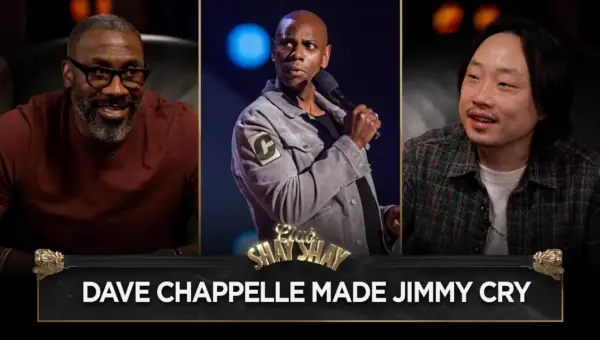
Jimmy O. Yang Cries After Meeting Hero Dave Chappelle
Comedian Jimmy O. Yang shared a deeply emotional story about meeting his hero, Dave Chappelle, which left him in tears. He also discussed his new Hong Kong-based comedy special, 'Finally Home,' its theatrical release, and the importance of representation in comedy.