Pope Francis’s Peruvian Roots Shape Global Diplomacy
Pope Francis's early years in Peru during a period of intense poverty and terrorism profoundly shaped his diplomatic approach. Witnessing extreme hardship and choosing to stay with the community through danger instilled a deep empathy and commitment to peace that guides his global leadership.

Pope Francis’s Peruvian Roots Shape Global Diplomacy
The early experiences of Pope Francis in Peru during a time of intense poverty and violence profoundly shaped his worldview and approach to global diplomacy. These formative years, marked by significant hardship and danger, instilled in him a deep empathy for the marginalized and a commitment to peace that continues to influence his leadership on the international stage.
A Land of Extremes: Poverty and Terrorism
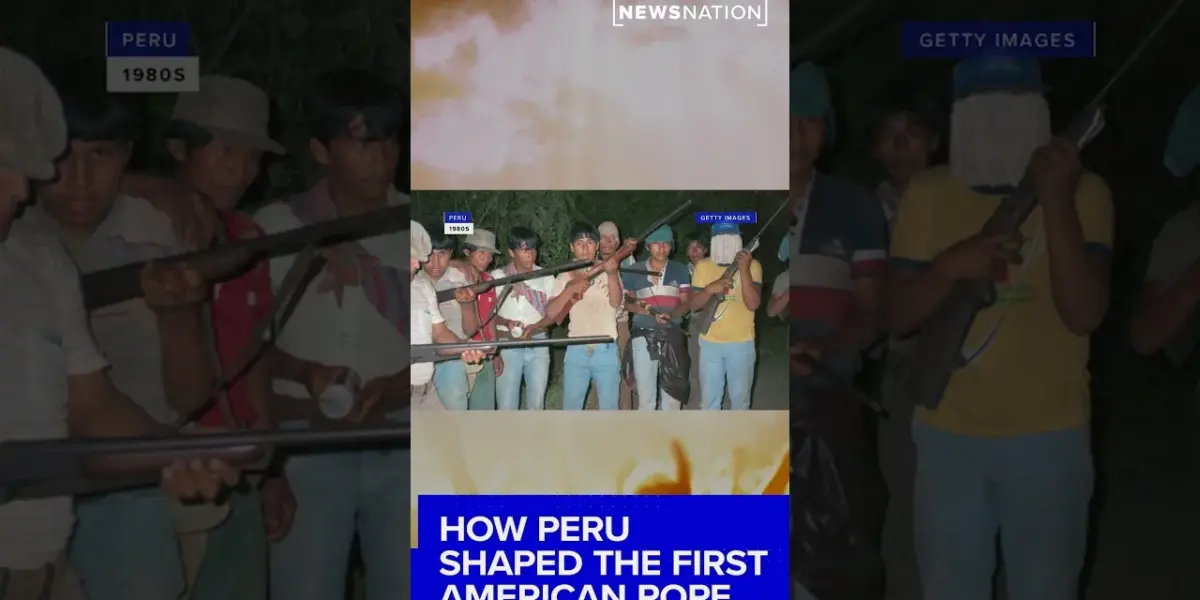
Around 40 years ago, Peru was a land grappling with extreme poverty and widespread terrorism. The Shining Path, a violent communist group, and another active terrorist organization created an atmosphere of constant fear. Bombs could go off anywhere, at any time. Foreign missionaries, including those from the Augustinian order, were specifically targeted. This forced many to leave rural villages for the safety of larger cities.
A Community’s Choice: To Stay or To Flee
The Augustinian missionaries faced a difficult choice. The province of the United States, which oversaw the mission territory in Peru, considered evacuating its members. However, the community made a collective decision to remain. Their motto became clear: “We don’t leave in difficulty.” This commitment to standing with the people through hardship, rather than abandoning them, became a cornerstone of their mission and deeply influenced the young priest who would later become Pope Francis.
Lessons in Resilience and Faith
Living among people facing such immense challenges provided firsthand experience of culture shock and extreme poverty. It wasn’t just something observed; it was lived. This direct encounter with suffering fostered a powerful sense of solidarity. The experience taught valuable lessons about resilience, faith, and the importance of human connection even in the darkest times. These lessons formed a critical part of his understanding of the world’s complex problems.
Global Impact: A Pope’s Compassionate Diplomacy
Pope Francis’s background in Peru continues to shape his role as a global leader. His emphasis on helping the poor, advocating for peace, and engaging with those on the margins of society stems directly from these early experiences. He often speaks about the need for empathy and understanding, drawing on his own encounters with suffering. This perspective makes him a unique voice in international affairs, often bridging divides and calling for dialogue where others see only conflict.
Historical Context: The Church’s Role in Crisis
The decision of missionaries to stay in Peru during the height of its internal conflict reflects a long history of the Church’s involvement in areas of crisis. Historically, religious orders have often been at the forefront of humanitarian aid and spiritual support during times of war, natural disaster, and political upheaval. This tradition of presence and solidarity, even in the face of danger, is a powerful precedent. Francis’s own commitment to this principle, forged in the crucible of Peruvian terrorism, demonstrates its enduring relevance.
Economic Leverage and Social Justice
While the transcript doesn’t detail economic figures, the mention of extreme poverty highlights the underlying economic disparities that often fuel conflict. The Shining Path’s rise, for example, was partly fueled by deep-seated social and economic grievances. Pope Francis’s focus on social justice and his critiques of unchecked capitalism are informed by an understanding of how economic inequality can lead to instability and suffering. His calls for fairer economic systems aim to address the root causes of such crises, promoting dignity and opportunity for all.
Shifting Power Balances and Regional Dynamics
Peru’s internal struggles in the 1980s and 1990s were a significant regional issue, impacting stability and international relations in South America. The presence of foreign missionaries, like the Augustinians, also points to the global reach of religious organizations and their role in soft diplomacy. The Pope’s eventual rise to global leadership demonstrates how experiences in seemingly distant conflicts can have a profound impact on international dynamics and perceptions of power.
Future Scenarios: A Continuing Call for Peace
Pope Francis’s enduring message of peace, justice, and solidarity, deeply rooted in his Peruvian experiences, will likely continue to shape his interactions with world leaders. His approach offers a model for addressing complex global challenges not just through political or economic means, but through a focus on human dignity and compassion. This emphasis on shared humanity remains a powerful force for positive change in an often-divided world.
Source: How Peru shaped the first American pope (YouTube)

Related Articles

Putin Faces Internal Threats Amidst War Woes
Russia faces internal threats as the Ukraine war continues, with President Putin concerned about returning soldiers and the economic fallout impacting his inner circle. Meanwhile, Ukraine's military capabilities are growing, and global instability persists.

Iran War Escalates: Houthis Join Conflict as Civilians Suffer
The conflict involving Iran, the US, and Israel has escalated significantly in its fifth week, with Yemen's Houthi militia officially joining the war and launching missile attacks. Civilian populations in Iran and Lebanon are facing immense suffering, displacement, and destruction as attacks intensify across the region. Diplomatic talks are reportedly underway, but rising oil prices and divergent international goals cast a shadow over prospects for peace.

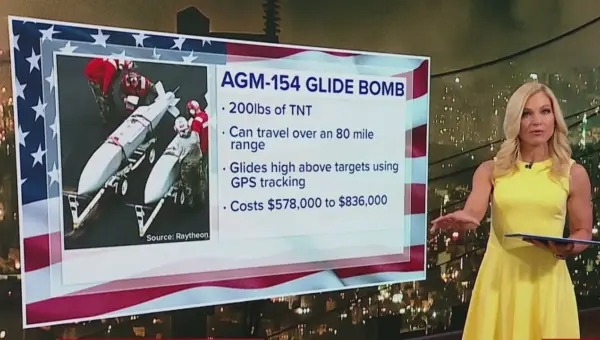
Iran War Costs Soar, Fueling Global Energy Price Hikes
The escalating war involving Iran, the U.S., and Israel has already cost over $11 billion, heavily impacting global energy markets. Missile strikes and drone warfare are driving up gas prices worldwide, with the Strait of Hormuz remaining a critical choke point.