Iran War Escalates: Houthis Join Conflict as Civilians Suffer
The conflict involving Iran, the US, and Israel has escalated significantly in its fifth week, with Yemen's Houthi militia officially joining the war and launching missile attacks. Civilian populations in Iran and Lebanon are facing immense suffering, displacement, and destruction as attacks intensify across the region. Diplomatic talks are reportedly underway, but rising oil prices and divergent international goals cast a shadow over prospects for peace.

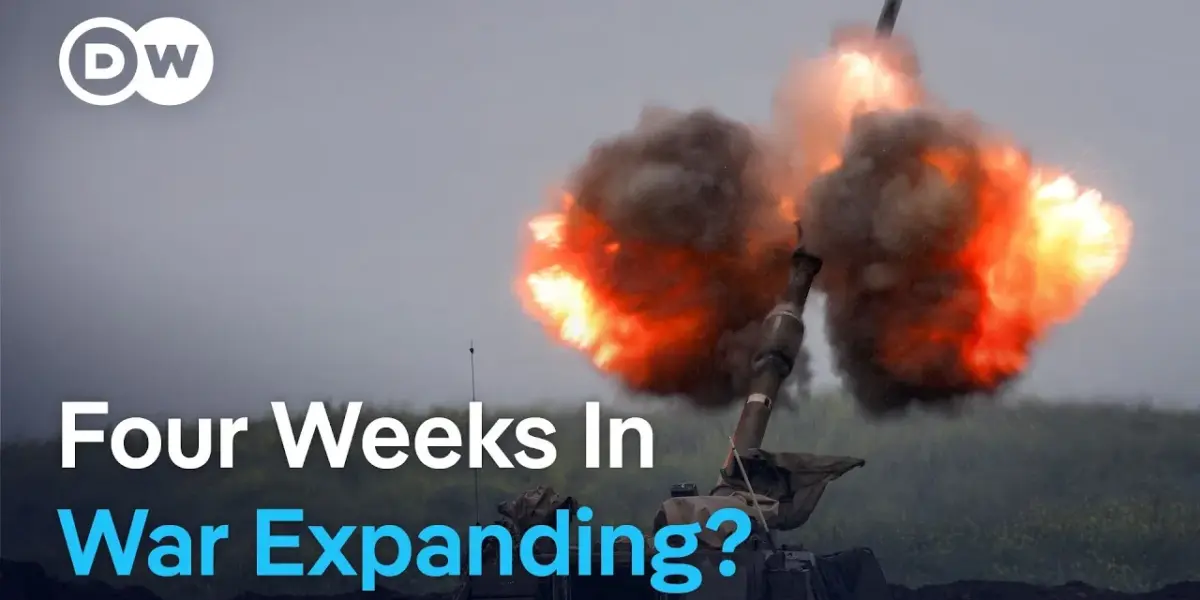
Iran War Enters Fifth Week Amidst Widening Conflict
The conflict involving Iran, the United States, and Israel has entered its fifth week, marked by escalating attacks and the opening of a new front by Yemen’s Houthi militia. What began as limited strikes on February 28th has now spiraled into a regional confrontation, causing widespread civilian suffering and international concern.
New Front Opens: Houthis Officially Join the War
Yemen’s Iran-backed Houthi militia announced its official entry into the war this week. In a statement, the group declared, “Our armed forces, with God’s help and reliance upon him, have carried out their first military operation.” This operation involved launching ballistic missiles targeting Israeli military objectives in southern occupied Palestine. Israel reported intercepting one missile from Yemen.
This move by the Houthis signifies a significant expansion of the conflict, drawing in more regional actors and increasing the complexity of the ongoing hostilities. The missiles fired over Tel Aviv were part of Iran’s latest counterattack, which resulted in at least one fatality.
Civilian Toll Mounts as Attacks Intensify
The Iranian Red Crescent reports that civilians are bearing the brunt of the attacks. “Since last night, the Zionist and American regime has bombed 80 residential areas,” a representative stated. “80 residential areas where people were living.” The organization also noted that approximately 600 schools have been damaged or destroyed so far.
The Norwegian Refugee Council’s regional director for Europe and Asia, Carlo Gerardi, described the conditions inside Iran as “extremely difficult.” He noted that internet access has been down for the past month, making communication challenging. “People are exhausted. Uh, people are scared. People are traumatized. Uh, bombs continue to fall on a daily basis,” Gerardi said.
Mass Displacement and Refugee Crisis
The ongoing violence has led to significant internal displacement within Iran. More than 3 million people have reportedly left the capital, Tehran, seeking safer areas. However, many others are unable to leave due to financial constraints, personal reasons, or the risks associated with moving.
A particularly vulnerable group are the more than 4 million Afghan refugees living in Iran, with 1.4 million undocumented. Moving poses extreme risks of arrest and detention for them. Furthermore, returning to Afghanistan is also fraught with danger due to ongoing political and economic challenges in their home country.
The conflict’s impact extends beyond Iran. In Lebanon, 20% of the population, over 1 million people, have been forced to flee their homes, with over 130,000 now in collective sites. “The situation is extremely alarming in Lebanon,” Gerardi reported.
The Gulf States are also experiencing fear and concern due to Iranian missile and drone attacks. Attacks on civilian and energy infrastructure could have far-reaching consequences for millions in the region.
Diplomatic Efforts and Divergent Goals
Despite the escalating military actions, the United States has indicated that talks are in progress, with Pakistan acting as an intermediary. President Trump stated, “We’re negotiating now and be great if we could do something, but they have to open it up. They have to open up the straight of Trump. I mean, Harm.” However, Iran continues to exert tight control over maritime traffic in the Strait of Hormuz, contributing to rising global oil prices.
Political analyst Akiva Elder noted differing perspectives on the war within Israel. While polls suggest a majority believe the conflict is justified, some Israelis are demonstrating against it, even amidst the risk of missile attacks. Elder also suggested that Israeli Prime Minister Netanyahu’s strategy may be influenced by domestic politics, including his corruption trial and upcoming elections.
Elder highlighted potential divergence between the goals of the US and Israel. While President Trump appears eager to conclude the conflict, Netanyahu’s actions might be aimed at prolonging it to serve his political interests. This dynamic could impact long-term relations with Arab nations involved in the Abraham Accords.
Looking Ahead: Uncertainty and Potential for Further Escalation
As the war enters its fifth week, the situation remains volatile. The involvement of new actors like the Houthis, coupled with the ongoing civilian toll and displacement, paints a grim picture. The effectiveness of diplomatic efforts, particularly concerning the Strait of Hormuz, will be crucial in determining the conflict’s future trajectory. The international community watches closely, hoping for de-escalation while bracing for potential further escalation.
Source: Iran War, Week 4: Where Things Stand as Houthis Open New Front | DW News (YouTube)

Related Articles

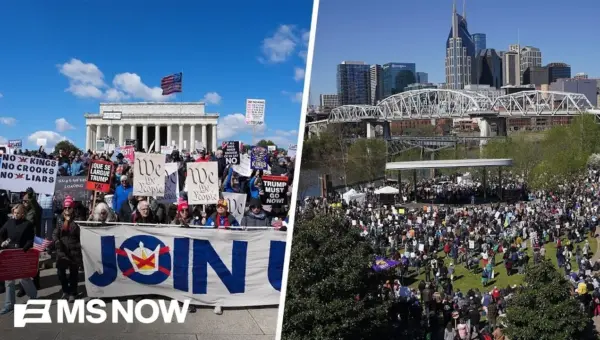
Thousands March Nationwide Against Trump, Iran War
Thousands participated in nationwide 'No Kings Day' marches protesting against President Trump and the potential war in Iran. Events in St. Paul, West Palm Beach, and Austin drew large crowds and featured notable speakers and activists. The demonstrations highlighted widespread discontent and a push for greater civic engagement.

War’s $6 Trillion Toll: Global Economy Reels
A month-long Middle East conflict has triggered a $6 trillion global stock market crash, surging oil prices to $101 per barrel, and threatening crucial trade routes. The war's expansion, now involving multiple nations, is causing severe damage to global supply chains and energy infrastructure, with long-term implications for inflation and economic growth.

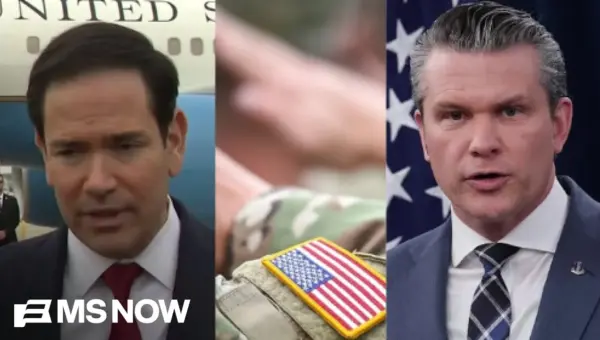
US War Strategy in Iran Criticized as Overly Optimistic
A former defense official has criticized the U.S. war strategy in Iran as overly optimistic, citing conflicting signals from the administration and the potential for a prolonged conflict. The deployment of ground troops and the realism of the U.S.'s demands on Iran are key points of concern.