Find Inner Peace: Spirituality Aids Trauma Healing
Discover how spirituality, beyond organized religion, can be a powerful tool in healing from trauma. It offers connection, meaning, and hope for those on their recovery journey.


Find Inner Peace: Spirituality Aids Trauma Healing
For many people dealing with trauma, finding a path to healing can feel overwhelming. While the journey is personal, new insights suggest that incorporating spirituality can play a vital role in recovery. This approach offers a sense of connection and purpose that can be crucial when facing deep emotional wounds.
It’s important to acknowledge that the idea of spirituality can be a difficult one for some. For individuals who have experienced spiritual abuse, where religious beliefs were used to control or harm them, any mention of spirituality might bring up painful memories. The speaker understands this sensitivity and respects that for some, this is a part of life they may not be ready to explore.
Navigating Different Experiences with Spirituality
Others may have grown up in homes where spirituality was simply not a topic of discussion. Perhaps parents were atheists or agnostics, rarely attending religious services, or even spoke negatively about spiritual beliefs. This can lead to a natural skepticism about whether spirituality holds any value for them.
Additionally, some people in recovery focus heavily on becoming self-sufficient. They might view spirituality as a sign of weakness, a crutch for those who can’t handle things on their own. The idea of needing something beyond oneself can be unsettling or even annoying to this group.
The Role of Spirituality in Recovery
However, through years of working with individuals on their healing journeys, a consistent theme has emerged. Many people reach a very low point before seeking help. At these critical junctures, spirituality often becomes a significant part of their healing process.
These individuals often express that they couldn’t have reached their current state of recovery without a spiritual element. It provided a sense of hope and a connection to something larger than themselves, which is often missing when trauma leaves people feeling isolated and powerless. This connection can help reframe difficult experiences and foster a sense of resilience.
What is Spirituality in This Context?
When discussing spirituality in the context of trauma healing, it doesn’t necessarily mean adhering to a specific religion. It can refer to a personal sense of connection to something greater than oneself. This might involve nature, a universal energy, a higher power, or even a deep connection to humanity.
For some, it’s about finding meaning and purpose in life, especially after experiencing profound loss or suffering. It can be a way to process difficult emotions, find comfort, and develop a more positive outlook on the future. This search for meaning is a fundamental human need that spirituality can help fulfill.
Benefits of a Spiritual Approach to Healing
Research has increasingly shown the positive impact of spiritual practices on mental health. Studies suggest that a sense of spiritual well-being can lead to reduced stress, lower rates of depression, and better coping mechanisms for adversity. It can provide a framework for understanding suffering and finding peace amidst chaos.
For those struggling with trauma, spirituality can offer:
- A sense of hope and optimism for the future.
- A feeling of connection to others and the world.
- A way to find meaning in difficult experiences.
- A source of comfort and inner strength.
- A path towards forgiveness and acceptance.
Who Can Benefit?
This approach to healing can be beneficial for anyone who has experienced trauma, including:
- Adults and adolescents who have faced significant life challenges.
- Individuals recovering from various forms of abuse (physical, emotional, sexual).
- People dealing with grief, loss, or major life transitions.
- Those experiencing anxiety, depression, or PTSD symptoms.
Important Considerations
It’s crucial to approach spirituality in a way that feels safe and authentic to you. If you have had negative experiences with religion or spirituality, it’s okay to take your time and explore at your own pace. You might consider speaking with a therapist or counselor who is experienced in trauma-informed care and can help you navigate these feelings.
Remember, the goal is to find what brings you a sense of peace, connection, and meaning. This might involve meditation, mindfulness, spending time in nature, engaging in creative expression, or connecting with a supportive community. The journey is unique to each individual.
Disclaimer: This article is for informational purposes only and does not constitute medical advice. Always consult with a qualified healthcare professional or therapist for any health concerns or before making any decisions related to your health or treatment.
Source: Why spirituality can become a critical part of healing trauma. (YouTube)

Related Articles


Big Tech Faces “Karma” as Courts Hold Them Accountable
Big Tech faces mounting legal pressure following jury verdicts holding Meta and YouTube liable for teen mental health impacts. Experts see this as "karma" and a turning point, with potential for billions in damages and significant changes to industry practices.


Social Media Giants Face Lawsuits Over Addictive Designs
Tech giants Meta and Google are facing significant legal challenges as juries find them liable for the addictive design of their platforms and the harm caused to young users. Recent verdicts in California and New Mexico have ordered the companies to pay millions in damages, highlighting concerns over mental health impacts and child exploitation.

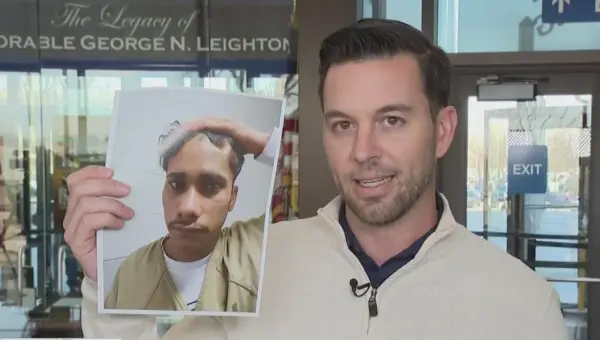
Immigration Debate Ignites Over Campus Killing
The detention hearing for Jose Medina, accused of murdering Loyola student Sheridan Gorman, has ignited a debate over immigration and mental capacity. Medina, an undocumented immigrant, will remain in custody. His defense cited head trauma and developmental delays, requesting jail time to prevent deportation and ensure due process.