MAGA Phrase Misfires: Rogan Calls It a ‘Dork Movement’
Joe Rogan is questioning the effectiveness of the "Make America Great Again" slogan, calling it a "dork movement." He suggests a more positive, forward-looking message like "Make America Greater" would be more effective. Rogan believes the current slogan alienates people and misrepresents genuine patriots.

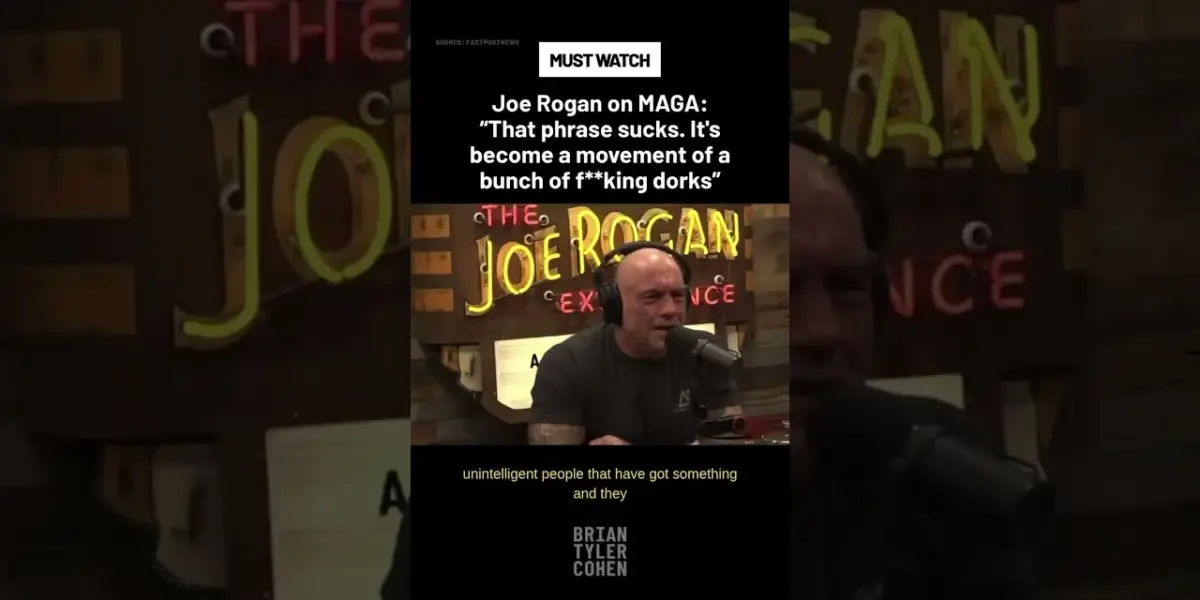
Rogan Criticizes MAGA Slogan, Calls It a ‘Dork Movement’
Joe Rogan, the popular podcast host, recently voiced his strong dislike for the political slogan “Make America Great Again.” He argued that the phrase itself is problematic and has come to represent a movement associated with what he described as “dorks.” Rogan believes this perception alienates potential supporters and misrepresents the diverse group of people who identify with the sentiment.
Rogan suggested an alternative phrasing, stating, “America is great. Make America greater. I’m down.” He feels this positive framing is more appealing than the backward-looking nature of “Make America Great Again.” The current slogan, according to Rogan, has become a rallying cry for individuals he finds uninteresting and unintelligent, though he acknowledges that many genuine patriots are also part of the group.
The Nuance of Patriotism and Perception
Rogan’s comments highlight a common challenge in political branding. Slogans, while intended to be unifying, can inadvertently create negative associations. The phrase “Make America Great Again” was first popularized by Donald Trump during his 2016 presidential campaign. It tapped into a sense of nostalgia and dissatisfaction with the current state of the country for many voters.
However, the slogan has also drawn criticism for its perceived divisiveness and ambiguity. Critics argue it implies a past that was better for some groups than others, potentially excluding minority communities or those who feel the country has always been flawed. Rogan’s observation that the movement attracts “dorks” speaks to this perception, suggesting that the public image of the movement may be shaped by its most vocal or visible participants, rather than its broader base.
Rogan’s point about genuine patriots being lumped in with less appealing figures is a significant one. This often happens in politics, where a broad movement can be defined by a subset of its members, sometimes unfairly. It’s like saying everyone who likes pizza is a pizza snob; it just isn’t true and ignores the vast majority who simply enjoy a good slice.
Why This Matters
The way political messages are framed can significantly impact public opinion and engagement. Rogan’s critique, coming from a widely influential figure, raises questions about the effectiveness of current political rhetoric. If a slogan meant to inspire broad support ends up alienating people or being associated with negative stereotypes, its purpose is undermined.
This matters because political language shapes our understanding of issues and people. The perception of a movement, whether accurate or not, influences how it is discussed and how people choose to participate in it. For any political idea to gain traction, its messaging must resonate positively with a wide audience.
Historical Context and Future Outlook
Political slogans have a long history of shaping national identity and movements. Phrases like “Tippecanoe and Tyler Too” in the 19th century or “Ask Not What Your Country Can Do For You” in the 20th century were powerful tools for galvanizing support. They were often simple, memorable, and evoked a desired feeling or action.
The “Make America Great Again” slogan, while effective in mobilizing a specific base, has also become a point of contention. Rogan’s comments suggest a potential future where political movements might need to adopt more inclusive and forward-looking language to avoid negative perceptions. The challenge for any movement is to connect with people authentically without alienating others through polarizing or outdated slogans.
As political discourse continues to evolve, the power of language will remain a critical factor. The debate around the MAGA slogan illustrates how even simple phrases can carry complex meanings and consequences, influencing not just political outcomes but also public perception of entire groups of people.
Source: Joe Rogan on MAGA: "That phrase sucks. It's becoming a movement of a bunch of f**king dorks" (YouTube)

Related Articles

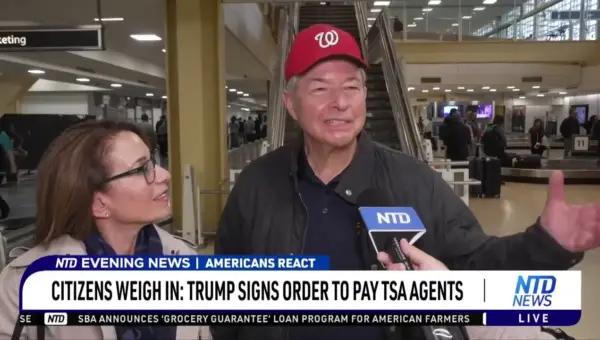
Airport Crowds Weigh In: Should TSA Agents Be Paid?
Travelers at a Washington D.C. airport shared their views on President Trump's order to pay TSA agents during a government shutdown. Opinions ranged from strong support for fair compensation to frustration with political disputes impacting workers.
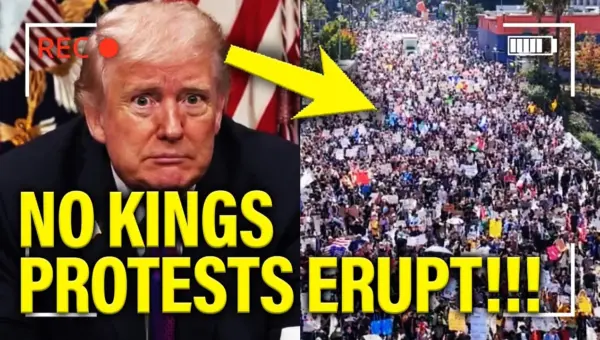
Protests Challenge Trump’s Grip as ‘No Kings’ Movement Grows
Massive 'No Kings' protests swept the nation, challenging the Trump administration and advocating for democratic values. Organizers highlighted growing support and a shift in protest tactics, positioning the movement as a force for positive change.
MAGA Voters Divided Over Potential Iran War
The potential for a US war with Iran has sparked debate at CPAC, revealing a divided MAGA base. While some support military action, many express concerns over prolonged conflicts and rising economic costs, particularly higher gas prices.