War’s $6 Trillion Toll: Global Economy Reels
A month-long Middle East conflict has triggered a $6 trillion global stock market crash, surging oil prices to $101 per barrel, and threatening crucial trade routes. The war's expansion, now involving multiple nations, is causing severe damage to global supply chains and energy infrastructure, with long-term implications for inflation and economic growth.


Global Economy Faces $6 Trillion Hit as Middle East Conflict Widens
The global economy is grappling with a staggering $6 trillion loss in stock market value in just one month, a direct consequence of the escalating conflict in the Middle East. What began as a localized dispute has rapidly expanded, drawing in multiple nations and threatening critical global trade routes and energy supplies.
Conflict Escalates, Spreading Beyond Initial Borders
The war, initially expected to be brief, has now passed its one-month mark. Worryingly, the conflict is not contained but is actively expanding. Recent days have seen the Houthi rebels in Yemen joining the fray, firing missiles toward Israel. This involvement is particularly significant due to the Houthis’ strategic location near the Bab al-Mandab Strait, a vital waterway through which approximately 10% of global trade flows daily. Concurrently, Hezbollah in Lebanon has intensified its actions, also launching missiles at Israel, prompting retaliatory strikes. This broader engagement effectively pits Iran, Yemen (via the Houthis), and Lebanon (via Hezbollah) against Israel and the United States, transforming the situation into a multi-country regional war with escalating risks.
Energy Prices Surge Amidst Supply Route Threats
The most immediate economic impact is being felt in energy markets. Before the conflict, oil prices hovered around $70 per barrel, already up from $60 at the start of the year due to rising tensions. Within one month, oil prices have surged by a dramatic 45%, reaching $101 per barrel. Natural gas prices have also seen sharp increases, nearly doubling, especially in Europe and Asia. This surge is driven by fears of supply disruptions and potential damage to infrastructure. Many nations, particularly in Europe, have shifted from coal to natural gas for electricity generation, viewing it as a cleaner alternative. However, this transition, coupled with the loss of Russian gas supplies due to the war in Ukraine, has made them heavily reliant on imports, especially from the Middle East. The Strait of Hormuz, through which about 20% of global oil and gas supplies pass, is a critical chokepoint. With rising tensions also impacting the Bab al-Mandab Strait, two major global energy supply routes are now under threat simultaneously. This situation is poised to drive up electricity costs significantly in affected nations.
Markets Plummet, Wiping Out Trillions
Financial markets, initially hesitant, have now fully registered the severity of the ongoing conflict. The S&P 500, representing the 500 largest U.S. companies, has fallen by roughly 7% since the war began. The technology-heavy NASDAQ has seen a steeper decline of about 8%, while the Dow Jones has also dropped around 7%. Given that the total value of U.S. stock markets stands at approximately $70 trillion, this 7-8% decline translates to a loss of about $5 trillion in market value within a single month. The impact is global, with London’s FTSE 100 down approximately 8%, Germany’s DAX down about 10%, and Japan’s Nikkei down around 6%. When combining these major global indices, an estimated $6 to $8 trillion has been wiped off global stock markets in just one month due to the conflict.
Direct Costs and Human Toll Mount
Beyond market losses, the direct financial cost of the war itself is substantial. Early estimates suggested the United States spent around $5 billion in the initial days on military operations. As the conflict has intensified with sustained airstrikes and naval deployments, U.S. spending is now estimated to be in the region of $30 billion for the first month alone, a figure that continues to grow daily. Including Israel’s military expenditures and regional operations, the total cost across all involved parties likely exceeds $50 billion within the first month. Tragically, the human cost is even more profound. Thousands are reported dead, many more injured, and hundreds of thousands displaced from their homes, with these numbers climbing daily. This conflict is not only an economic crisis but also a deepening humanitarian disaster.
Long-Term Damage to Infrastructure and Supply Chains
The physical damage is also significant, with at least 40 energy infrastructure sites reportedly hit. Critically, Qatar is said to have lost approximately 17% of its liquefied natural gas (LNG) capacity for the next five years. This is a substantial, multi-year problem, especially as Europe depends heavily on LNG for electricity generation and industrial sectors. The disruption to energy supplies is not a short-term issue that will resolve with a ceasefire, but a structural problem impacting supply for years to come. Global trade is also facing increasing disruption. Shipping routes are being rerouted, insurance costs are rising, and transit times are lengthening. Furthermore, export restrictions are emerging, with several countries limiting the outflow of essential products like ammonium nitrate, a key component in fertilizers. This directly impacts global food production, as farmers rely on these inputs for crop yields. Reduced agricultural output, higher food prices, and increased global inflation are likely consequences. Shortages are also appearing in critical industrial materials, such as helium, which is essential for semiconductor manufacturing, artificial intelligence development, and medical equipment, signaling a broader industrial supply shock beyond just energy.
Political Disconnect and Economic Outlook
Politically, there appears to be a disconnect between rhetoric and reality. While some leaders suggest the war is nearing an end and Iran is weakened, the situation on the ground indicates otherwise. There are no clear signs of a peace deal, and the conflict seems to be consolidating domestic support within Iran. The initial hope that the war would lead to internal collapse or revolution within Iran appears unlikely at this stage. When all factors are considered—rising energy prices, trillions lost in markets, stressed supply chains, threatened food production, and emerging industrial shortages—the outlook points towards higher inflation, increased interest rates, and slower economic growth. This could potentially lead to a significant global economic slowdown in 2026.
Market Impact: What Investors Should Know
The ongoing conflict presents a complex and challenging environment for investors. The immediate fallout has been a substantial destruction of wealth across global stock markets, with trillions of dollars in value erased in a short period. Rising energy prices translate directly into higher operating costs for businesses and increased inflationary pressures for consumers. Disruptions to global supply chains, from energy to agriculture and high-tech components like semiconductors, create uncertainty and can impact corporate earnings. The potential for a global economic slowdown further complicates the investment landscape, suggesting a period of heightened volatility and potentially lower returns across various asset classes. Investors should be aware of the interconnectedness of geopolitical events and financial markets, as conflicts in key regions can have far-reaching and lasting economic consequences.
Source: Trillions… (YouTube)

Related Articles

Iran War Escalates: Houthis Join Conflict as Civilians Suffer
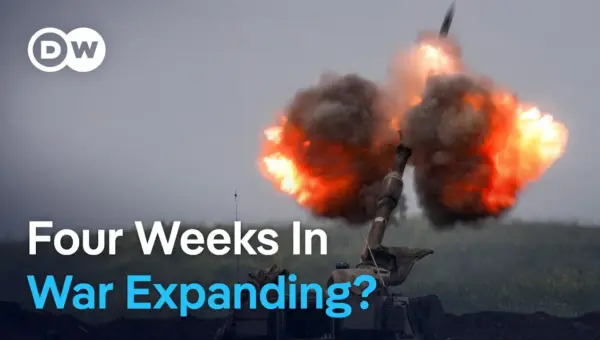
The conflict involving Iran, the US, and Israel has escalated significantly in its fifth week, with Yemen's Houthi militia officially joining the war and launching missile attacks. Civilian populations in Iran and Lebanon are facing immense suffering, displacement, and destruction as attacks intensify across the region. Diplomatic talks are reportedly underway, but rising oil prices and divergent international goals cast a shadow over prospects for peace.


US War Strategy in Iran Criticized as Overly Optimistic
A former defense official has criticized the U.S. war strategy in Iran as overly optimistic, citing conflicting signals from the administration and the potential for a prolonged conflict. The deployment of ground troops and the realism of the U.S.'s demands on Iran are key points of concern.

Iran War Costs Soar, Fueling Global Energy Price Hikes
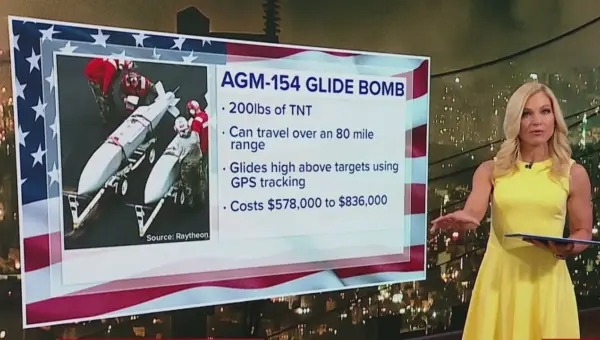
The escalating war involving Iran, the U.S., and Israel has already cost over $11 billion, heavily impacting global energy markets. Missile strikes and drone warfare are driving up gas prices worldwide, with the Strait of Hormuz remaining a critical choke point.