US War Strategy in Iran Criticized as Overly Optimistic
A former defense official has criticized the U.S. war strategy in Iran as overly optimistic, citing conflicting signals from the administration and the potential for a prolonged conflict. The deployment of ground troops and the realism of the U.S.'s demands on Iran are key points of concern.

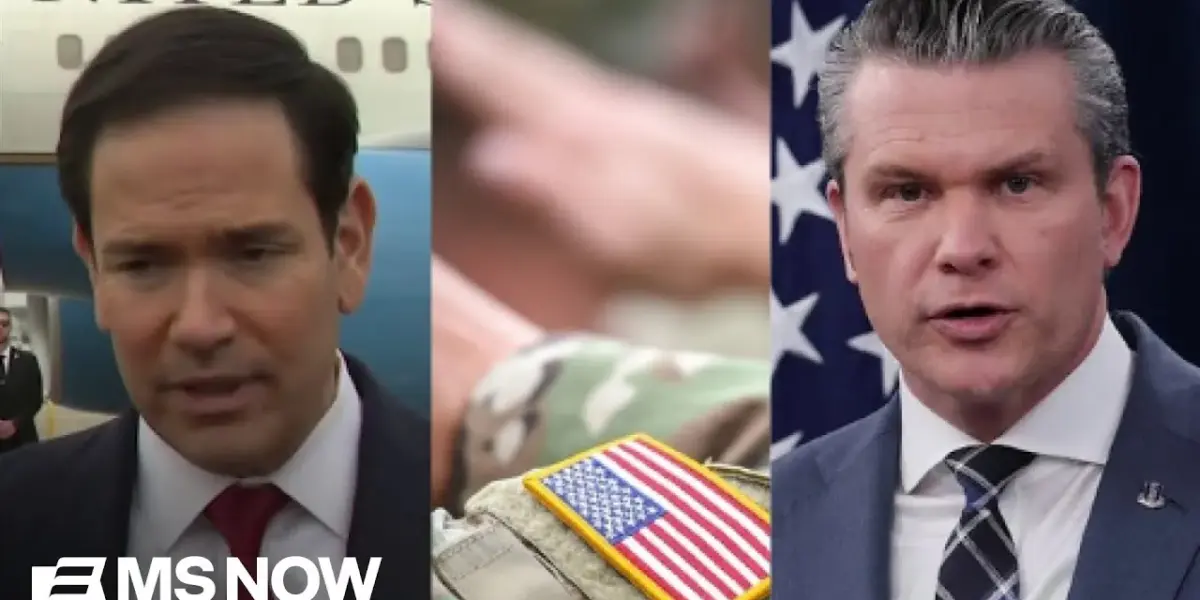
Four weeks into the United States’ conflict with Iran, the costs at home are mounting. A recent Iranian missile attack on a U.S. airbase in Saudi Arabia injured at least a dozen American troops. This comes as the path forward remains unclear, with no visible end in sight for the war.
Conflicting Signals on War Duration and Goals
Secretary of State Marco Rubio reportedly told foreign ministers at the G7 meeting that the conflict could last another two to four weeks. Meanwhile, the Trump administration is considering a significant escalation, with the Pentagon reportedly looking to send an additional 10,000 ground troops to the Middle East. The exact purpose and deployment locations for these forces remain uncertain.
Adding to the confusion, President Trump appears to have lost interest in the war he has claimed the U.S. has already won. A senior White House official told MSNBC’s Jake Traylor that Trump is “bored with Iran” and wants to “declare victory and move on.” This sentiment creates a challenging environment for the Department of Defense, which operates on meticulous planning and war games.
Mark Harlan, former Assistant Secretary of Defense for Strategy, Plans, and Capabilities under President Biden, expressed concern about this disconnect. “The Pentagon has a real culture of planning,” Harlan stated. “There is no shortage of plans on the shelf and war games that occur for all of these kinds of things.” She noted the tension between the Pentagon’s talk of a massive blow and the President’s apparent desire to end the conflict quickly.
The Impact of Ground Troops
The potential deployment of ground troops fundamentally changes the nature of the conflict. Harlan emphasized the human cost, stating, “When I hear ground troops, I don’t think just these random people that get sent over. I think of mom, dads, something, aunts, uncles, sisters, brothers who get put on planes and sent over.”
Sending ground troops, Harlan explained, means a greater focus on casualties and the need for extensive logistical support. This significantly increases the likelihood of the war becoming prolonged. “You just see this frankly getting dragged out,” she said. While these troops might aim to secure oil infrastructure on islands, holding such territory would be exceptionally difficult.
Questioning the 15-Point Plan’s Realism
The administration’s objectives, outlined in a closely held 15-point proposal, include preventing Iran from developing nuclear weapons, reopening the Strait of Hormuz, and limiting its missile capabilities. Rubio expressed optimism that these goals could be achieved without ground troops, stating, “We’re going to destroy their factories that make missiles and rockets and drones, we’re going to destroy their navy, destroy their air force, and we are going to significantly destroy their missile launchers so they can never hide behind these things to get a nuclear weapon.”
However, Harlan described this outlook as “really optimistic,” calling the plan “all the butterflies and unicorns that the United States would ever want.” She questioned why Iran would agree to such terms, especially given the increased complexity of the U.S. demands since the war began. The original goals, such as collapsing the Iranian regime, seem to be overshadowed by new conditions.
Iran’s Leverage and Shifting Dynamics
The conflict has also seen Iran gain leverage, particularly concerning the Strait of Hormuz. Harlan noted that the Trump administration seemed surprised by the focus on this vital waterway and had not adequately prepared for it. Disruptions to oil shipments through Hormuz directly impact global prices, giving Iran significant bargaining power and distracting from the initial U.S. goal of regime collapse.
Harlan also pointed to two key indicators of how the war is progressing, neither of which has shown positive signs for the U.S. The first is the lack of defections from the Iranian regime or military personnel turning against it. The second concerns the Houthi rebels, who have previously disrupted shipping in the Red Sea. Harlan noted that the Houthis appear to have become involved in the conflict, firing ballistic missiles at Israel, which complicates the situation further.
Looking Ahead
While the U.S. administration may wish for a swift end to the war, Iran also has a significant role in determining its duration. The possibility of the President unilaterally declaring victory, despite ongoing conflict and complex geopolitical factors, remains a point of concern. Future developments will likely hinge on Iran’s response, the effectiveness of any potential troop escalation, and whether the administration can reconcile its strategic goals with the President’s desire for a quick resolution.
Source: ‘Butterflies and unicorns’: Former defense official on Marco Rubio’s overly optimistic war strategy (YouTube)

Related Articles

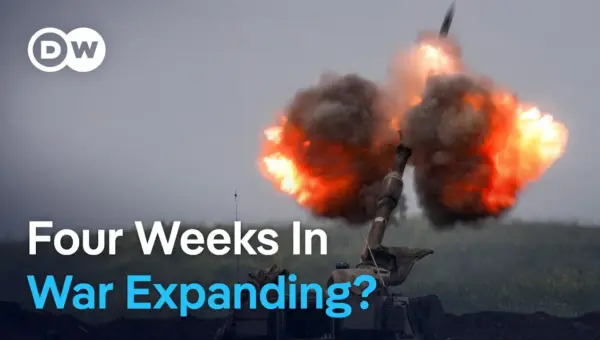
Iran War Escalates: Houthis Join Conflict as Civilians Suffer
The conflict involving Iran, the US, and Israel has escalated significantly in its fifth week, with Yemen's Houthi militia officially joining the war and launching missile attacks. Civilian populations in Iran and Lebanon are facing immense suffering, displacement, and destruction as attacks intensify across the region. Diplomatic talks are reportedly underway, but rising oil prices and divergent international goals cast a shadow over prospects for peace.

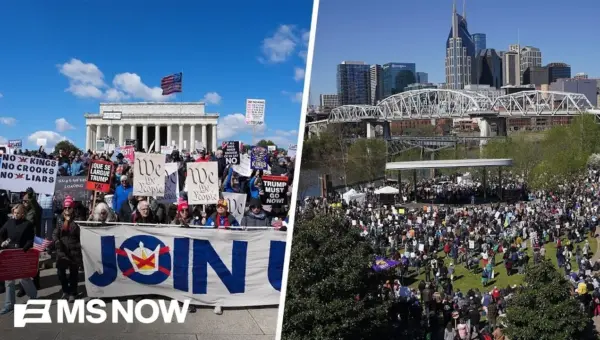
Thousands March Nationwide Against Trump, Iran War
Thousands participated in nationwide 'No Kings Day' marches protesting against President Trump and the potential war in Iran. Events in St. Paul, West Palm Beach, and Austin drew large crowds and featured notable speakers and activists. The demonstrations highlighted widespread discontent and a push for greater civic engagement.

War’s $6 Trillion Toll: Global Economy Reels
A month-long Middle East conflict has triggered a $6 trillion global stock market crash, surging oil prices to $101 per barrel, and threatening crucial trade routes. The war's expansion, now involving multiple nations, is causing severe damage to global supply chains and energy infrastructure, with long-term implications for inflation and economic growth.