Protests Grow as Trump Faces War and Executive Overreach
Protests are growing across the nation as Americans voice concerns over executive power and foreign policy. The "No Kings" movement highlights public frustration with military spending and domestic budget cuts, calling for a return of power to the people.

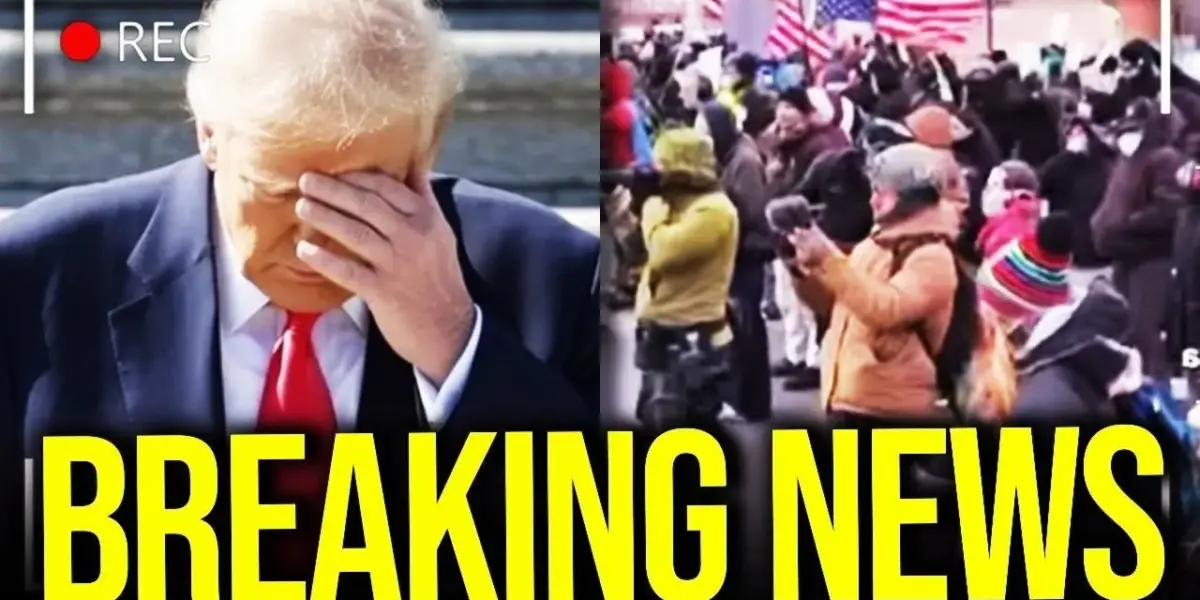
Protests Escalate Amidst Middle East Conflict and Executive Actions
Across the nation, a wave of protests, dubbed “No Kings” demonstrations, is gaining momentum. These gatherings are happening closer to home for many Americans, coinciding with escalating conflict in the Middle East. People are expressing frustration not only with what they see as an expansion of executive power, particularly regarding the initiation of wars and the imposition of tariffs without congressional approval, but also with what they perceive as an indifferent approach from the administration.
While news reports show images of Steven Miller on television defending administration actions, Donald Trump has been observed golfing. This contrast between a nation at war and a president at leisure has fueled public discontent. Reports from the White House pool detail Trump’s presence at his golf courses, a practice that draws criticism for utilizing taxpayer money for services at Trump-owned properties. This occurs as taxpayer funds are directed towards military conflicts and as domestic protests gain visibility.
“No Kings” Movement Gains Traction
Videos of large “No Kings” crowds are circulating widely online, highlighting a growing movement. These protests are occurring simultaneously with the intensifying war in the Middle East, which is drawing in more regional players. This situation has led many Americans to call for stronger checks on the executive branch, with some specifically advocating for the War Powers Resolution to limit the president’s ability to engage in military action.
The conflict has seen Houthi rebels in Yemen launching attacks, with Israeli missiles intercepting a suspected drone. This happens while Donald Trump has declared the war to be over. Meanwhile, Iranian drones have been seen over Iraq, and Houthi rebels continue to target Israel. The escalating conflict is also contributing to rising gas prices, a concern for many citizens nationwide.
Concerns Over Fiscal Priorities and Healthcare
Protests have sprung up from Washington D.C. to New York City and even in more conservative areas like Arkansas. Many participants express a desire to return power to the people and reduce the influence of special interest groups that they believe have long dominated American politics. There’s a strong sentiment that national resources should not be spent on continuous overseas conflicts.
A particularly contentious point is the administration’s decision to cut funding for Medicaid and healthcare programs, which affects millions of Americans. Critics argue that it is contradictory to claim fiscal irresponsibility when cutting essential domestic services, yet readily expand executive power to engage in war and impose tariffs. These actions, they contend, further strain American finances and lead to the expenditure of funds on military actions that result in civilian casualties.
Historical Context and Echoes of Past Protests
The “No Kings” protests are drawing significant crowds in various locations, including The Villages retirement community in Florida, a traditionally conservative area. The growing proximity of these demonstrations to where Donald Trump is located is seen as a powerful statement. The movement is drawing support from a diverse range of people, including teachers, LGBTQ+ advocates, scientists, union members, veterans, farmers, elders, and immigrants, all united by a common cause.
The protests in St. Paul, Minnesota, are particularly noteworthy, given the state’s history of significant social and political upheaval during both of Trump’s terms. The video mentions the protests following George Floyd’s death and the subsequent deployment of ICE agents, which led to further unrest and loss of life. These past events seem to fuel the current energy and determination of the protesters.
A Call for Democratic Reform
The “No Kings” movement encompasses a broad range of grievances. These include concerns about executive overreach by agencies like ICE, the expansion of tariffs, involvement in foreign wars, and alleged attempts to politically persecute opponents. The transcript suggests that these issues, combined with a desire to reclaim democratic power, are energizing citizens to participate in political action.
Organizers are looking towards future elections, including the midterms and the 2028 presidential race, as opportunities to enact change. They aim to remove politicians they believe are influenced by special interests and to restore power to the electorate. Initiatives like “Project 2029” or “Project Northstar” are being discussed, focusing on reforms such as banning stock trading by elected officials, ending dark money in politics, and establishing universal basic income programs.
Why This Matters
The “No Kings” protests represent a significant expression of public dissent against perceived executive overreach and the continuation of foreign conflicts. The juxtaposition of domestic budget cuts with increased military spending, coupled with a growing sense of political alienation, has created a potent force for activism. The movement’s ability to draw diverse groups together signals a broad desire for systemic change and a reassertion of democratic principles.
The current situation highlights a critical juncture in American politics. The public’s engagement, particularly in areas not typically associated with large-scale protests, suggests a growing dissatisfaction that could influence future electoral outcomes. The focus on issues like campaign finance reform and accountability for elected officials points to a deeper desire for a government that is more responsive to its citizens’ needs rather than special interests.
Implications, Trends, and Future Outlook
The “No Kings” movement indicates a trend towards increased citizen participation in political discourse and action, driven by a wide array of concerns. The call for limiting executive power and reforming campaign finance laws suggests a desire for a more balanced and accountable government. The ability of these protests to mobilize diverse groups, from urban centers to retirement communities, demonstrates a widespread demand for change.
Looking ahead, the energy generated by these protests could translate into significant political mobilization. The emphasis on voting and engaging in democratic processes suggests a strategy for long-term change. The success of such movements often depends on sustained engagement and the ability to translate public sentiment into concrete policy changes. The ongoing conflicts and economic pressures will likely continue to fuel public debate and activism.
Source: Trump FREAKS OUT as Protestors GET CLOSER (YouTube)

Related Articles
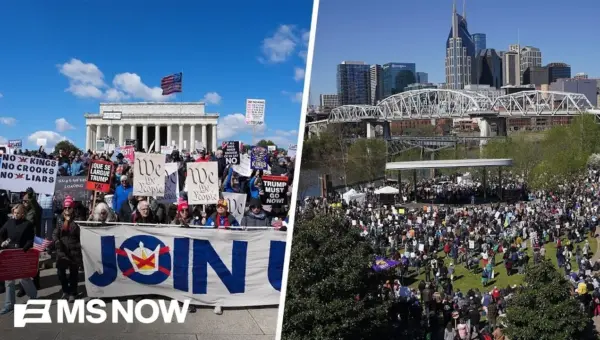
Thousands March Nationwide Against Trump, Iran War
Thousands participated in nationwide 'No Kings Day' marches protesting against President Trump and the potential war in Iran. Events in St. Paul, West Palm Beach, and Austin drew large crowds and featured notable speakers and activists. The demonstrations highlighted widespread discontent and a push for greater civic engagement.
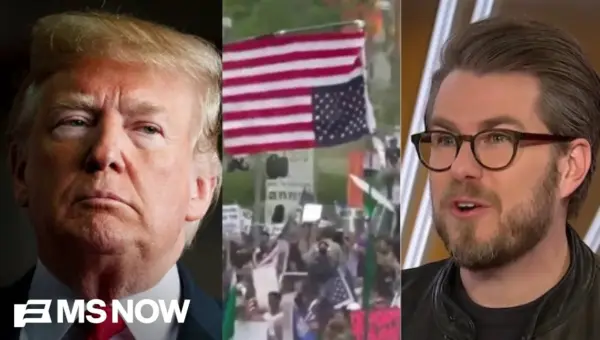
Protests Grow, Polls Dip: Trump Administration Faces Rising Opposition
Growing protests and falling approval ratings signal increasing opposition to the current administration. A former Trump official warns the administration should be "spooked" as diverse groups, including former supporters, voice their discontent. Recent special election wins for Democrats further suggest a shifting political landscape ahead of the midterms.
War’s $6 Trillion Toll: Global Economy Reels
A month-long Middle East conflict has triggered a $6 trillion global stock market crash, surging oil prices to $101 per barrel, and threatening crucial trade routes. The war's expansion, now involving multiple nations, is causing severe damage to global supply chains and energy infrastructure, with long-term implications for inflation and economic growth.