President Calls Actions ‘Military Operations’ to Dodge Congress
The former president's choice to label military actions as 'military operations' rather than 'wars' is a deliberate strategy to bypass congressional approval. This linguistic tactic raises concerns about the balance of power and transparency in U.S. foreign policy.


President Uses ‘Military Operation’ Label to Sidestep Congress
A recent statement from the former president reveals a strategic choice in how military actions are described. Instead of calling them ‘wars,’ the term ‘military operation’ is preferred. This isn’t just a matter of wording; it has significant legal and constitutional implications.
Why the Shift in Language?
The core reason behind this linguistic shift is to avoid seeking approval from Congress. Under U.S. law, declaring war requires a formal declaration by Congress. This process involves debate, votes, and a significant level of oversight. By labeling an action a ‘military operation,’ the president can bypass this constitutional requirement.
“As a military operation, I don’t need any approvals.”
This statement, though brief, highlights a fundamental misunderstanding or deliberate disregard for the separation of powers. The Constitution clearly outlines that Congress has the power to declare war. This ensures that decisions to engage in armed conflict are not solely in the hands of one person but involve a broader representative body.
Historical Context: The Power to Declare War
The U.S. Constitution, in Article I, Section 8, grants Congress the power to declare war. This was a deliberate design by the Founding Fathers. They wanted to prevent a president from unilaterally dragging the nation into conflict. Throughout history, there have been many instances where presidents have committed troops to combat without a formal declaration of war. These actions were often described as police actions, interventions, or, more recently, military operations.
This practice has led to ongoing debate about the balance of power between the executive and legislative branches regarding military engagements. While Congress holds the power to declare war, presidents, as Commander-in-Chief, have broad authority to deploy troops. The distinction between a ‘war’ and a ‘military operation’ has become a key battleground in this power struggle.
The President’s Own Words
Adding to the confusion, the former president’s explanation seems contradictory. In the same breath, he admits to calling an action a ‘military operation’ to avoid congressional approval, but then, within moments, appears to have referred to it as a ‘war.’ This inconsistency suggests a potential lack of firm conviction or perhaps an attempt to adapt his language to different audiences or contexts.
“And bro, you just called it a war like 20 seconds before this. Our president is absolutely tweaking.”
This observation points to a perceived inconsistency in the president’s messaging. It raises questions about the sincerity of his explanations and whether the chosen terminology is a genuine reflection of the nature of the action or a political maneuver.
Why This Matters
The way military actions are described has real-world consequences. Calling an engagement a ‘military operation’ can downplay its severity and impact. It can also make it harder for the public and Congress to fully understand the scope and potential outcomes. This distinction affects accountability, transparency, and the public’s understanding of the nation’s involvement in conflicts abroad.
Furthermore, it tests the boundaries of executive power. When presidents consistently use the ‘military operation’ label to avoid congressional oversight, it can erode the intended checks and balances designed to protect against unchecked military engagement. This trend could lead to a future where major military decisions are made with less public debate and legislative input.
Implications and Future Outlook
The continued use of terms like ‘military operation’ suggests a trend toward the executive branch asserting greater control over military actions. This approach allows for quicker deployment of forces and less public scrutiny. However, it also risks diminishing the role of Congress and the public in deciding when and why the nation goes to war.
Looking ahead, this semantic debate is likely to continue. As technology evolves and the nature of conflict changes, the lines between different types of military engagement may blur further. It will be crucial for citizens and lawmakers to remain vigilant about how these terms are used and to ensure that the constitutional framework for declaring war is respected.
The underlying issue is not just about words but about power and accountability. The choice between ‘war’ and ‘military operation’ is a choice about who decides when Americans fight and die, and how that decision is made accountable to the people through their elected representatives.
Source: Trump Admits Why He Won’t Call It a War #politics #fyp #new (YouTube)

Related Articles

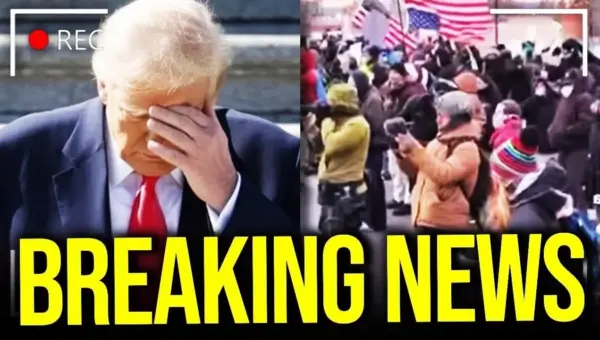
Protests Grow as Trump Faces War and Executive Overreach
Protests are growing across the nation as Americans voice concerns over executive power and foreign policy. The "No Kings" movement highlights public frustration with military spending and domestic budget cuts, calling for a return of power to the people.
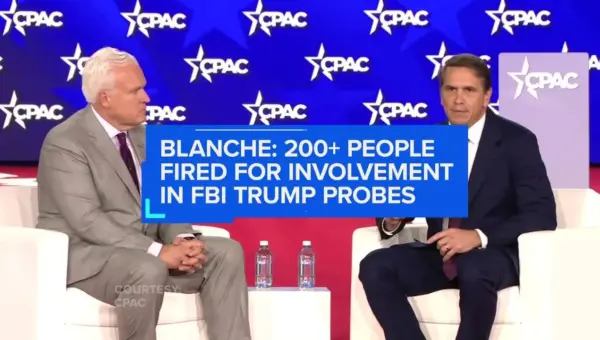
Trump Cleans House: DOJ, FBI Agents Ousted
Over 200 individuals have been removed from the Department of Justice and FBI due to their involvement in past Trump investigations. President Trump asserts his constitutional authority over the executive branch, leading to significant personnel changes aimed at aligning agencies with his administration's vision. These actions signal a notable shift in federal law enforcement leadership.
Russia Strikes Heritage Site; War Looms
Russian forces reportedly struck a UNESCO heritage site in Liv, adding to escalating tensions. Meanwhile, Ukraine's President Zelenskyy may be preparing for a prolonged conflict. Propaganda efforts highlight decorated soldiers, while their real battlefield roles and post-service integration are scrutinized.