Florida Cracks Down on Teen Chaos, Border Security Debate Heats Up
Florida is tightening its grip on youth disturbances, while a national debate rages over funding for the Department of Homeland Security. Lieutenant Governor Jay Collins addressed recent teen-related incidents and the state's commitment to order. Meanwhile, political divisions in Washington threaten border security operations and contribute to travel chaos, raising concerns about national safety and international standing.

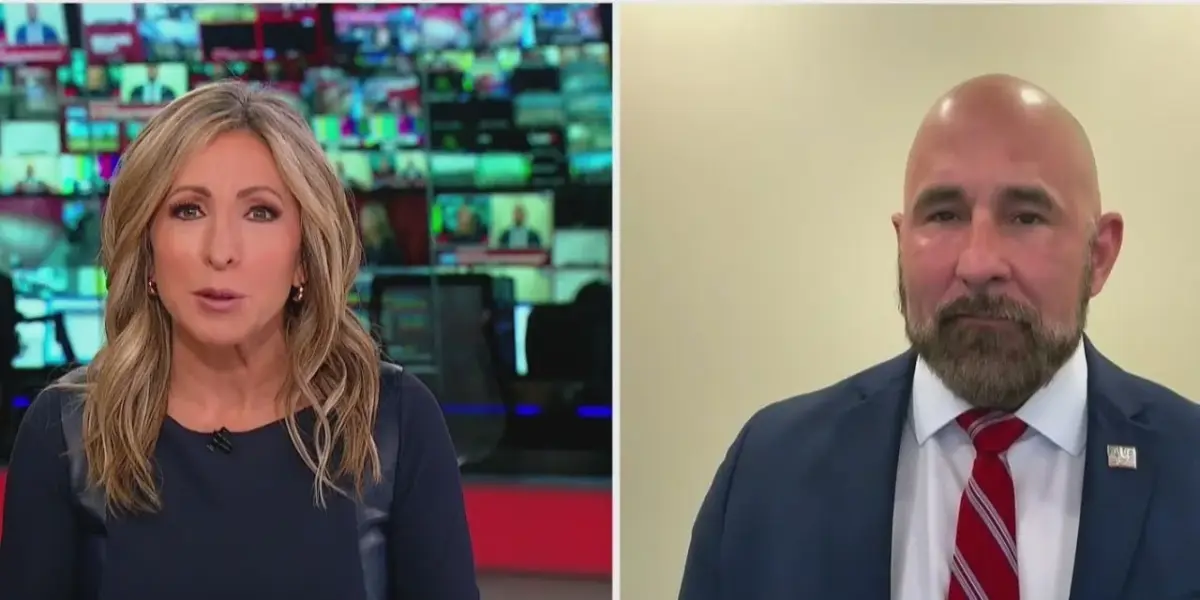
Florida Responds to Youth Disturbances, National Security Debate Intensifies
Florida is taking a firm stance against disruptive behavior, particularly incidents involving teenagers that have gained attention on social media. Lieutenant Governor Jay Collins addressed recent events at Blue Cypress Park, where three girls were arrested following a disturbance that reportedly began online. Collins emphasized that such actions are unacceptable in Florida and that those responsible will be held accountable. “We’re a lot of water state. You can’t do those things. It’s unacceptable,” Collins stated, expressing hope that the arrests would serve as a lesson. He affirmed that law enforcement is working diligently to maintain order, especially during busy periods like spring break, to ensure the safety and enjoyment of residents and visitors.
Coordinated Law Enforcement Efforts
The Lieutenant Governor highlighted the collaborative efforts between local police, county sheriffs, the Florida Department of Law Enforcement (FDLE), and the Florida Highway Patrol (FHP). These agencies are communicating and working together to get ahead of potential issues. This coordinated approach aims to keep communities safe, particularly when large numbers of tourists visit the state for spring break. Collins assured the public that these matters are taken seriously and that order will be restored swiftly. “When these things happen to them to be dealt clearly and with conviction and we’ll get right back out there. Enjoy the things we love in Florida,” he said.
Border Security and DHS Funding Crisis
The conversation then shifted to a more significant national issue: the debate over funding for the Department of Homeland Security (DHS) and its agencies, including Customs and Border Protection (CBP) and Immigration and Customs Enforcement (ICE). Senate Democrats voted to reopen DHS without funding for ICE and parts of CBP, pushing for reforms before allocating further funds. This move has sparked concerns about the potential dangers of a less-than-fully funded DHS, especially amid ongoing border challenges.
Concerns Over Illegal Immigration and National Safety
Lieutenant Governor Collins expressed frustration with the ongoing political debate, suggesting that Democrats are not prioritizing the safety of American citizens. He pointed to the large numbers of individuals entering the United States illegally, arguing that this situation makes the nation and its states less safe. Collins raised concerns about the vetting process for those entering the country, questioning how many might pose a risk. He cited an incident in Tampa Bay where an individual with a criminal history, reportedly released into the public, had already fled the country to China. “Under the Biden administration, another cat, our nation and our state’s far less safe,” Collins stated.
Political Stalemate and Economic Impact
The stalemate in Congress over DHS funding is causing significant disruptions, including travel chaos at airports. Senate Minority Leader Chuck Schumer has indicated that House Republican proposals are unlikely to pass the Senate. This political deadlock raises questions about whether a compromise can be reached to address the immediate travel issues and the broader border security concerns. Collins stressed the importance of ensuring that the personnel keeping the country safe, such as TSA agents, ICE officers, and Border Patrol agents, are properly supported and funded.
The Crime and Drug Connection
Collins reiterated that illegal immigration is a crime by definition. He also highlighted the associated problems that often accompany illegal border crossings, such as the flow of drugs and increased crime. The Lieutenant Governor emphasized the need to take these issues seriously and to stop placing individuals in difficult jobs without adequate resources and support. The ongoing debate underscores the deep divisions in Washington over immigration policy and national security, with significant implications for both domestic order and international relations.
Global Impact
The current situation in the United States, marked by internal debates over border security and the funding of critical homeland security agencies, has broader global implications. A nation perceived as less secure or struggling with internal division can impact international confidence, trade relations, and alliances. The flow of people, drugs, and potential security risks across borders is not just a domestic issue; it affects neighboring countries and global stability. The political divisions in Washington over DHS funding reflect differing views on national sovereignty, economic pressures, and humanitarian responsibilities, creating uncertainty on the international stage.
Why This Reshapes the World Order
The ongoing struggles to agree on border security and homeland defense funding in the U.S. signal a potential shift in how the nation projects power and stability. A robust and well-funded DHS is crucial for managing international borders, combating transnational crime, and ensuring secure trade routes. When these functions are hampered by political infighting, it can weaken a nation’s ability to engage effectively on the global stage. This internal focus on security challenges may reduce the U.S.’s capacity to address other international crises or to lead in global governance initiatives. Furthermore, the debate touches upon complex issues of immigration and national identity, which are mirrored in many other countries, making the U.S. approach a subject of international observation and potential learning.
Historical Context
The current debates echo historical tensions surrounding immigration and national security in the United States. Post-World War I and World War II, the U.S. grappled with balancing national security concerns with its role as a global power and a destination for immigrants. Treaties and diplomatic agreements have often sought to manage cross-border flows, but national sovereignty and security remain paramount. The current emphasis on border control and the challenges in funding agencies like CBP and ICE can be seen as a continuation of these long-standing debates, influenced by evolving geopolitical realities, economic factors, and changing global migration patterns.
Economic Leverage and Dependencies
The funding of DHS is directly tied to economic stability and the flow of goods and services. Border security ensures the smooth operation of trade, while immigration policies can impact labor markets. Sanctions and funding decisions in areas like immigration enforcement can have ripple effects on international trade and economic partnerships. The debate over DHS funding highlights how economic leverage is wielded in domestic policy, with potential consequences for international economic relations. Disruptions at borders or in enforcement agencies can lead to increased costs for businesses and consumers, affecting national and global economies.
Regional Alliances and Power Balances
Issues of border security and immigration are inherently regional. The United States’ relationship with its neighbors, particularly Mexico and Canada, is significantly impacted by these policies. The effectiveness of regional alliances can be tested when there are disagreements on security protocols or humanitarian concerns. The current U.S. debate influences regional power balances by affecting how neighboring countries perceive American commitment to shared security and stability. A strong, unified approach to border management can bolster regional cooperation, while internal division can create opportunities for other regional actors to assert influence.
Future Scenarios
One future scenario involves a bipartisan agreement that provides adequate funding for DHS while addressing some reform measures. This could lead to more stable border management and a reduction in travel disruptions. Another scenario is continued political gridlock, resulting in short-term funding patches and ongoing chaos at borders and airports. This could weaken U.S. credibility internationally and exacerbate domestic security concerns. A third, less likely scenario, involves a significant policy shift from one party, potentially leading to more drastic changes in immigration and border security approaches, with unpredictable consequences for both domestic order and international relations.
Source: Florida Lt. Gov.: Teen takeover chaos won’t be tolerated | NewsNation Live (YouTube)

Related Articles

Vance Fuels Fear: Nuclear Vest Claims Echo War-Mongering Tactics
Senator JD Vance's controversial "nuclear vest" claims about Iran are drawing sharp criticism, with many seeing echoes of past fear-mongering tactics used to justify war. The remarks raise questions about scientific feasibility and responsible communication of national security threats.


FBI Director’s Hacked Emails Pose National Security Threat
FBI Director Kash Patel's personal emails have reportedly been hacked by Iran, raising serious national security concerns. The decade-old communications could be used as leverage against him, potentially impacting U.S. security. This incident highlights vulnerabilities within high-level government appointments.


Congress Skips Border Security Funding, Risks National Safety
A former DHS official warns that Congress's failure to fully fund the Department of Homeland Security puts Americans at risk. Disputes over funding for agencies like CBP and ICE have led to chaos at airports and raise concerns about national security. Lawmakers are urged to pass a clean funding bill to ensure all critical security operations remain functional.