Ukraine, Saudi Arabia Forge Defense Pact; Russia Aids Iran
Saudi Arabia is now seeking drone countermeasures from Ukraine, forging a new defense partnership. Meanwhile, Russia is reportedly preparing to send lethal aid, including drones, to Iran, escalating support in the Middle East. These moves signal a deepening connection between the conflicts in Ukraine and the Middle East.

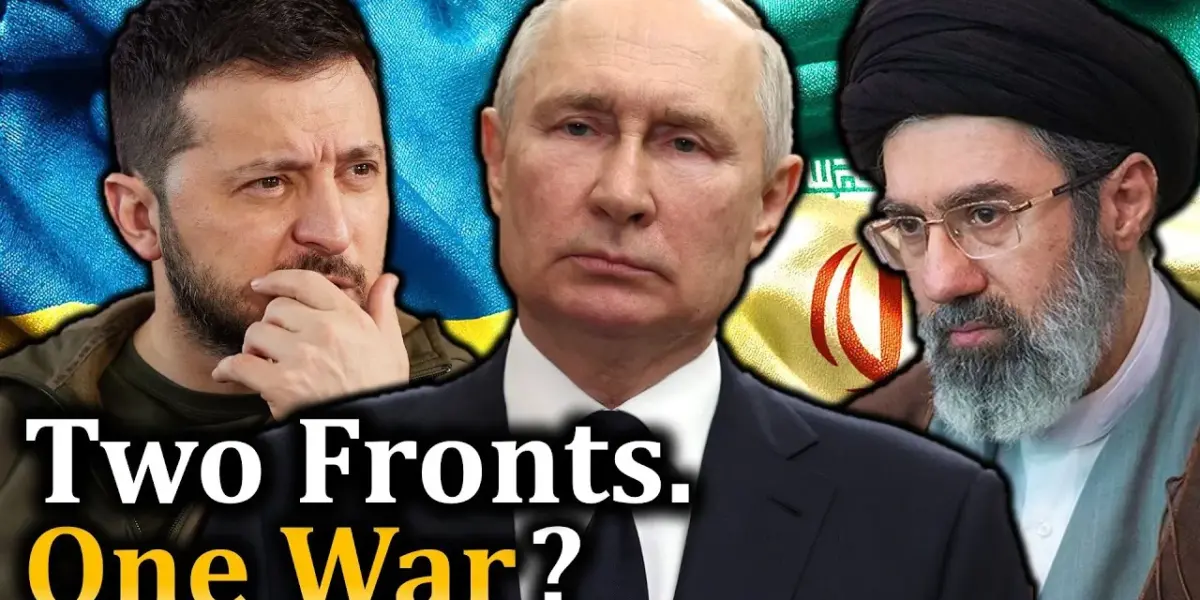
Ukraine, Saudi Arabia Forge Defense Pact; Russia Aids Iran
Recent developments signal a significant shift in global defense alignments, effectively merging the conflicts in Ukraine and the Middle East. While not yet a full-scale world war, these events are strengthening ties between Russia and Iran, while forging a new defense relationship between Ukraine and Saudi Arabia. These connections are reshaping battlefield outcomes and will have lasting implications for future geopolitical divisions.
Saudi Arabia Seeks Drone Defenses from Ukraine
A key development is the establishment of a defense contracting relationship between Ukraine and Saudi Arabia. Ukrainian President Zelensky made a surprise visit to Riyadh, where Crown Prince Mohammed bin Salman expressed interest in acquiring countermeasures for Iranian-made Shahed drones. This move, occurring in March 2026, raises questions about why such cooperation did not happen sooner.
The focus on drone defense highlights a critical gap in the ongoing conflict in the Middle East. While discussions have often centered on the U.S. role in providing such defenses, the question of why regional powers like Saudi Arabia did not develop their own capabilities sooner is now prominent. Saudi Arabia had advocated for the conflict to start and continue, suggesting a responsibility to secure its own defenses.
Ukraine’s experience has demonstrated that a layered defense system, with dispersed interceptor units, is the most effective way to counter drone threats. This is a complex task that requires on-the-ground presence and long-term commitment, making it difficult for external powers like the United States to implement comprehensively. The economic realities also favor local solutions, making Saudi Arabia’s investment in its own defense infrastructure a logical step.
Despite the clear threat posed by Shahed drones and Ukraine’s proven, cost-effective countermeasures developed over a year prior, a formal agreement between Kyiv and Riyadh was delayed until March 2026. Saudi Arabia, along with other nations like Israel, had attempted to balance relationships with both Western coalitions and Russia. Investing directly in Ukraine’s defense sector would have jeopardized these ties.
However, the escalating conflict and the undeniable threat of drone attacks have forced a strategic re-evaluation. Saudi Arabia now recognizes Ukraine as a necessary partner for acquiring effective drone defense solutions. This partnership will likely keep Saudi Arabia integrated within a broader defense sphere, even after the current Middle East conflict concludes. The anticipation is that Saudi Arabia will build robust defenses, preparing for potential future escalations, while Ukraine gains vital investment for its defense industry, possibly foreshadowing its future role within NATO.
Russia Escalates Support for Iran with Lethal Aid
Concurrent with the Ukraine-Saudi Arabia developments, reports indicate that Russia is preparing to provide direct lethal aid to Iran. This escalation in Russian support carries significant implications, not only for battlefield outcomes but also for the incentives of the parties involved to cease fighting.
Russia’s overarching goal appears to be positioning itself for its own strategic objectives, particularly in Eastern Europe. While direct involvement in the Middle East is not its primary focus, weakening the Western coalition indirectly serves its interests by potentially facilitating territorial gains in Ukraine. This strategy benefits allies like China, who can observe the conflict and emerge stronger regardless of the immediate outcomes.
The Kremlin’s decision to prolong the conflict in Iran serves multiple purposes. It depletes U.S. military stockpiles, potentially impacting initiatives like the PURL program that supplies specialized materiel to Ukraine. It also aims to sow political divisions within the U.S. and among its allies, undermining faith in institutions and reducing the capacity for military power projection. Furthermore, rising oil prices provide an economic lifeline to Russia.
Early Russian support for Iran focused on intelligence and targeting assistance, which, while valuable, involved minimal marginal cost once intelligence networks were established. However, the current reports suggest a more substantial commitment, including the provision of drones. This move is significant because it represents a direct transfer of offensive weapons that could be used against U.S. personnel and coalition forces in the Middle East.
The decision to supply drones comes at a considerable cost to Russia, especially given the ongoing fighting in Ukraine. This suggests that Moscow believes the return on investment is substantial. One interpretation is that Russia is concerned about Iran’s battlefield performance and the possibility of the U.S. dictating a military outcome. However, the lack of air defense systems in the transfer package is notable. Russia appears unwilling to provide advanced air defense systems like the S-400 to Iran.
Several factors likely contribute to this reluctance. Russia’s own defensive needs, particularly in light of Ukrainian strikes on its infrastructure, mean that S-400 systems are needed at home. Additionally, there is a concern that Iranian air defenses, if supplied, could be easily neutralized by U.S. forces, rendering them ineffective. Finally, the practicalities of training Iranian soldiers on complex systems like the S-400 would require Russian personnel on the ground, increasing the risk of direct confrontation between Russian and U.S. forces, which could escalate the conflict beyond its current scope.
Strategic Implications
The convergence of these events signals a complexification of the global security environment. Saudi Arabia’s pivot towards Ukraine for defense technology signifies a potential realignment within the Middle East, driven by a growing threat perception from Iran and its drone capabilities. This move strengthens the Western-aligned defense sphere and provides Ukraine with much-needed economic and military support, bolstering its long-term defense industrial base.
Russia’s decision to provide lethal aid, particularly drones, to Iran indicates a strategic calculus aimed at prolonging conflicts that drain Western resources and create political friction. This support, while bolstering Iran’s offensive capabilities, also highlights Russia’s own resource constraints and its reluctance to engage in direct confrontations with Western forces. The exclusion of advanced air defense systems suggests a pragmatic approach, prioritizing Russia’s own security and avoiding direct escalation.
These developments underscore a growing trend of interconnected regional conflicts that have broader global implications. The weakening of unified Western policy and the exploitation of these divisions by adversaries like Russia represent a significant challenge to international stability. The strategic choices made by nations like Saudi Arabia and Russia in response to these ongoing conflicts will continue to shape the geopolitical landscape for years to come.
Source: How the Russia-Ukraine War and the Iran War Have Merged Into One Conflict (YouTube)

Related Articles


Thousands March Nationwide Against Trump, Iran War
Thousands participated in nationwide 'No Kings Day' marches protesting against President Trump and the potential war in Iran. Events in St. Paul, West Palm Beach, and Austin drew large crowds and featured notable speakers and activists. The demonstrations highlighted widespread discontent and a push for greater civic engagement.

US War Strategy in Iran Criticized as Overly Optimistic
A former defense official has criticized the U.S. war strategy in Iran as overly optimistic, citing conflicting signals from the administration and the potential for a prolonged conflict. The deployment of ground troops and the realism of the U.S.'s demands on Iran are key points of concern.


Trump Approval Hits Record Low Amid Iran War Discontent
President Trump's approval ratings have hit a new low, influenced by public unease over the Iran war and a volatile stock market. This decline is notable as it appears to be affecting his core voter base. Meanwhile, former UK PM Liz Truss is promoting conspiracy theories in the US, and a popular TV show is driving crowds to New York City restaurants.