Teacher’s Resilience: Two Disasters, One Spaceflight
Elementary school teacher Barbara Morgan witnessed the Challenger and Columbia shuttle disasters but persevered to achieve her dream of flying to space, joining the ISS in 2007.

A Teacher’s Unwavering Path to the Stars
The annals of space exploration are often filled with tales of daring test pilots and brilliant engineers, but sometimes, the most inspiring stories emerge from unexpected corners. Barbara Morgan, an elementary school teacher by profession, embodies this spirit of unwavering determination, having witnessed two of NASA’s most tragic shuttle disasters firsthand before ultimately achieving her dream of flying to space.
A Close Call with Challenger
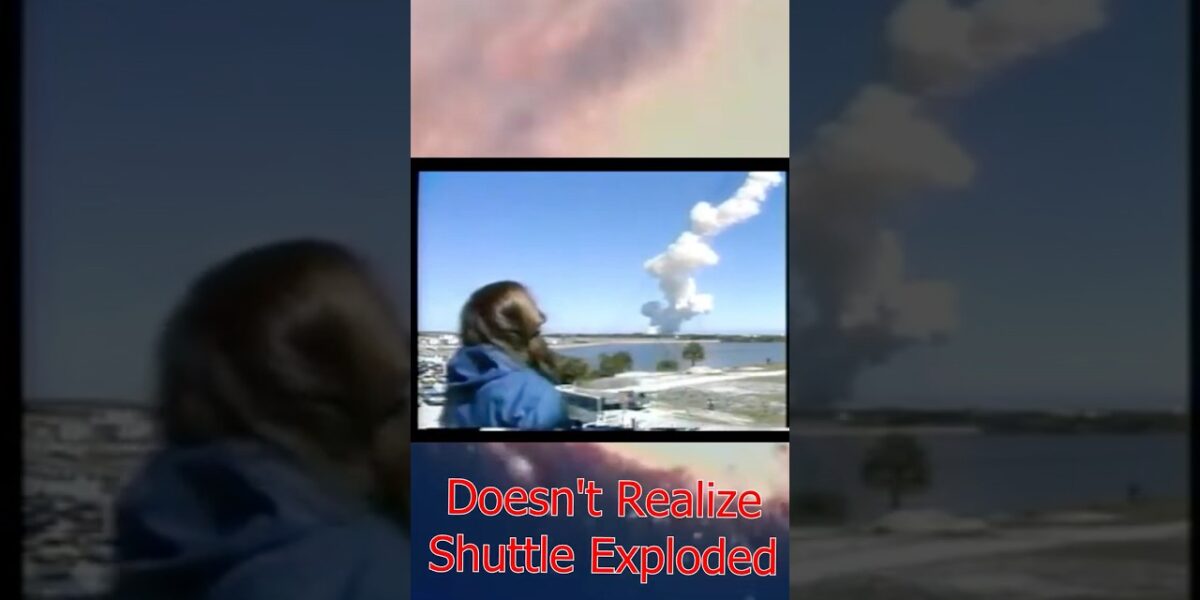
In January 1986, the world watched in horror as the Space Shuttle Challenger disintegrated shortly after liftoff. Among the spectators was Barbara Morgan, who was deeply connected to the mission. She had been selected for NASA’s “Teacher in Space” program and had undergone extensive training alongside the crew, including Christa McAuliffe, the primary teacher selected for the flight.
Morgan, as the backup, had trained extensively and developed personal connections with the astronauts. The expectation was that this mission would be a triumphant moment, showcasing the potential for civilians to venture into orbit. However, the catastrophic failure of Challenger on January 28, 1986, forever altered the course of human spaceflight and deeply impacted those who felt the loss so acutely.
The televised images of the exploding shuttle were devastating, and for many, the dream of spaceflight was irrevocably tarnished. Yet, Morgan’s initial reaction, as reported, was one of confused applause, proof of the deeply ingrained expectation of a dramatic, perhaps even staged, event, highlighting the sheer disbelief that such a disaster could unfold in reality.
The Columbia Tragedy and a Teacher’s Resolve
Following the Challenger disaster, Morgan returned to her passion: teaching elementary school students. However, the allure of space remained. In 1998, NASA extended an invitation for her to join the astronaut corps as a mission specialist.
Her sights were set on a flight aboard the Space Shuttle Columbia as part of the STS-118 mission, scheduled for 2004. This mission aimed to deliver crucial supplies and components to the burgeoning International Space Station (ISS). Tragically, history repeated itself in the most heartbreaking way.
On February 1, 2003, the Space Shuttle Columbia disintegrated upon re-entry into Earth’s atmosphere, killing all seven crew members. Barbara Morgan was not at the launchpad this time, but she was aboard a training aircraft positioned to rendezvous with Columbia during its landing phase, a chilling proximity to another catastrophic end. The sight of the shuttle breaking apart, even from a distance, must have been a profound and terrifying experience, a second direct confrontation with the ultimate risks of space travel.
From Witness to Astronaut
For most individuals, experiencing such profound tragedies, especially when so closely connected, would be enough to extinguish any desire to pursue a similar path. The psychological toll, the visceral understanding of the dangers involved, would likely lead to a definitive decision to step away from anything remotely related to spaceflight. However, Barbara Morgan’s story diverges from this expected narrative.
Her dedication to education and her inherent resilience proved stronger than the profound losses she had witnessed. She continued her work as an educator, inspiring young minds, while simultaneously maintaining her connection with NASA.
A Dream Realized Aboard Endeavour
The turning point came in 2007. Space Shuttle Endeavour, as part of the STS-118 mission, lifted off with Barbara Morgan on board. After years of training, witnessing two devastating accidents, and demonstrating an extraordinary level of fortitude, she finally journeyed to the International Space Station.
Her presence on the ISS marked a significant moment, not just for her personal achievement, but as a symbol of perseverance and the enduring human spirit. She became the first former “Teacher in Space” participant to fly into orbit, a poignant fulfillment of a dream that had been tragically interrupted twice before.
The Legacy of Resilience
Barbara Morgan’s journey is a powerful testament to the human capacity to overcome adversity. Her story transcends the technical aspects of space exploration and digs into the realm of personal courage and unwavering commitment.
While NASA often celebrates the bravery of test pilots, Morgan’s narrative highlights a different, equally vital, form of fearlessness – the quiet strength of an educator who, despite facing the ultimate risks of her chosen field not once, but twice, continued to reach for the stars. Her success aboard STS-118 not only fulfilled her personal aspirations but also sent a powerful message about the importance of dreams and the resilience required to pursue them, no matter the obstacles.
What comes next for space exploration is a continuous push towards further destinations and more ambitious missions. However, the lessons learned from tragedies like Challenger and Columbia, and the inspiring stories of individuals like Barbara Morgan, remain invaluable.
They remind us of the inherent dangers, the necessity of rigorous safety protocols, and the profound courage of those who choose to venture into the unknown. Morgan’s flight is a beacon, illustrating that even after experiencing the deepest of setbacks, the pursuit of knowledge and exploration can and should continue.
Source: Saw Both Shuttle Disasters In Person, Still Flew To Space. (YouTube)

Related Articles
Astronaut Shares Life Aboard ISS, Prepares Artemis II Crew
Former NASA astronaut Clayton Anderson discusses the realities of living in space, from the physical toll of microgravity to the awe-inspiring views of Earth. As the Artemis II mission nears splashdown, Anderson shares insights on spacewalks, mental adjustments, and the unexpected challenges astronauts face, offering inspiration for future space explorers.
NASA Faces UAP Questions After Witness Account
A witness at NASA's Marshall Space Flight Center reported seeing unidentified egg-shaped objects on an ISS live feed. The feed was quickly cut when questioned, raising concerns about NASA's transparency. This incident echoes historical suspicions of government secrecy surrounding unexplained phenomena.


Astronaut Recovers From Mystery Space Illness, Inspires Future Missions
Astronaut Mike Fincke has shared details about a mysterious medical emergency he experienced aboard the International Space Station, which led to his early return to Earth. While the exact cause is still under investigation, doctors believe it was space-related, providing crucial data for future deep space missions.