US Troop Buildup Hints at Iran Incursion Risk
A significant US military buildup in the Middle East, including a large deployment of troops and equipment, raises concerns about a potential ground incursion into Iran. Analysts suggest this move may be driven by unpredictable decision-making, potentially influenced by personal interests rather than strategic goals. Public opposition to intervention remains high, making any military action politically sensitive. The situation also has broader geopolitical implications, particularly concerning US-China relations and the ongoing conflict in Ukraine.

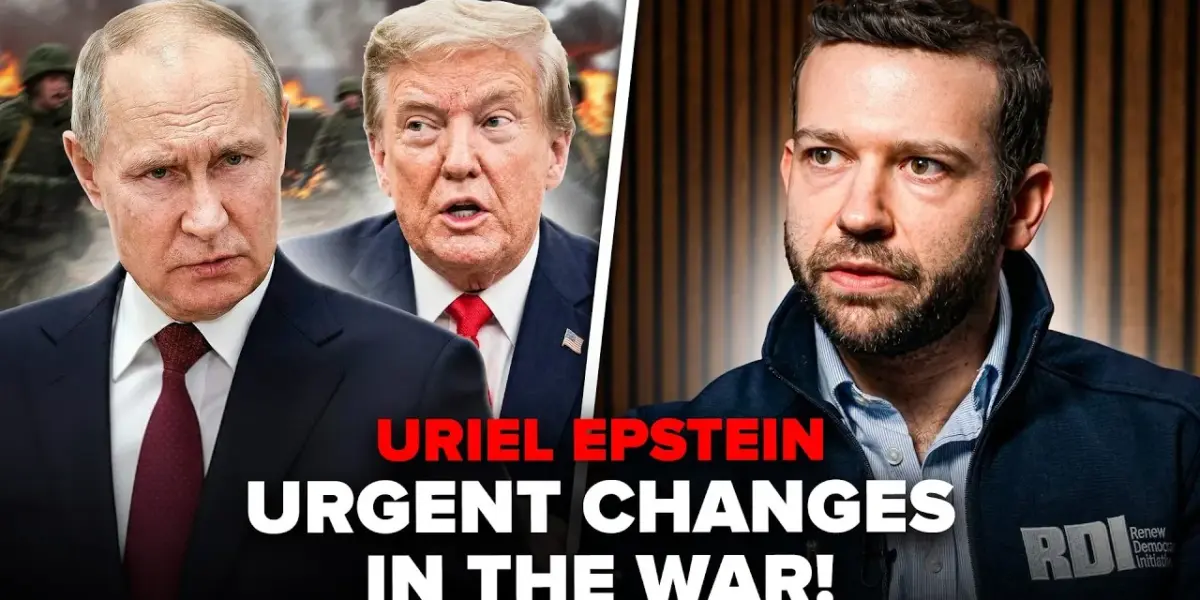
US Troop Buildup Hints at Iran Incursion Risk
The United States has significantly increased its military presence in the Middle East, raising questions about a potential ground incursion into Iran. While unpredictable, the move suggests a possible shift in strategy. Experts estimate that about one-third of America’s global military assets are now focused on the region. This includes a Marine Expeditionary Force and paratroopers, alongside a substantial buildup of American military equipment. The sheer scale of this deployment has led some analysts to believe it signals more than just a show of force.
Unpredictable Decision-Making
Predicting the exact course of action remains difficult. The decision-making process appears to be driven by factors beyond traditional geopolitical strategy. Instead, it seems influenced by the personal interests of President Donald Trump and his close circle. This approach makes long-term planning challenging.
For example, an ultimatum given to Iran regarding the Strait of Hormuz was later postponed. This decision came shortly before the stock market opened. Around five minutes before the announcement that talks with Iran were progressing, unusual trading activity occurred in oil futures. Trades worth more than six times the normal volume were recorded. This suggests that someone may have profited significantly, possibly from insider information. Such events highlight concerns about corruption and its potential influence on foreign policy decisions.
Public Opinion and Political Ramifications
Despite the military buildup, public support for a military intervention in Iran is low. Polls indicate that a vast majority of Americans, including Republicans, are skeptical of or oppose a ground invasion. This lack of public backing could make any military action politically risky for President Trump, especially in an election year.
Historically, Trump ran on a platform of ending wars and avoiding new conflicts. The potential for American soldiers to be deployed into harm’s way could be seen as a betrayal of that promise. Recent special election results in traditionally Republican districts, even near Trump’s Mar-a-Lago residence, suggest a potential weakening of Republican support. If an intervention leads to casualties, it could significantly impact election outcomes.
Broader Geopolitical Context and China Relations
The situation with Iran also has implications for US relations with China. While Trump is perceived by some as tough on China, this view is debated. His approach is often described as bilateral, focusing on one-on-one relationships rather than a broader global strategy. This is evident in his handling of issues like the potential TikTok ban, which Congress passed but Trump did not fully enforce.
A potential meeting between Trump and Chinese President Xi Jinping is viewed with caution. The focus may not be on US-China relations but on Trump’s personal interests. This could lead to a situation where the US government is not acting in the best interest of the nation as a whole. The current focus on Iran and Europe’s attention on Ukraine could provide China with an opportunity to increase pressure on Taiwan. This is a significant concern for regional stability.
There is skepticism about whether Iran’s actions in the Strait of Hormuz are fundamentally bad for China. While China might face some economic challenges, it is believed that China and Iran could reach an agreement. The primary economic impact might be felt more by Europe and other Western countries, as dictatorships often cooperate. The free world, in contrast, often struggles with unity. The lack of a strong leadership role from the US could force Europe, Japan, and South Korea to take a more prominent stance, potentially working with Ukraine.
Renew Democracy Initiative in Ukraine
The Renew Democracy Initiative, founded by Garry Kasparov, is actively working to combat authoritarianism globally. The organization has provided approximately $15 million in humanitarian aid to frontline communities in Ukraine. A delegation from the initiative recently visited Ukraine to understand the situation firsthand.
The initiative aims to inspire people in free societies to value and defend their democracies. By working with Ukraine, they hope to reawaken a sense of urgency about protecting democratic values. The delegation included individuals from various sectors, such as entrepreneurs, investors, and legal professionals. Their mission is to understand the political and strategic landscape in Ukraine, explore business collaborations, and provide humanitarian assistance.
The humanitarian aid focuses on enabling Ukrainians to live in their homes with dignity and security. The initiative targets gaps not filled by larger organizations, particularly in frontline communities. For example, they installed a 2.8-megawatt boiler in a Kyiv hospital to ensure heating and hot water during potential Russian attacks on the power grid. This effort aims to increase the resilience of Ukrainian cities and society as a whole.
Source: ⚡️This decision stirred everyone! Trump gave an order to prepare plane. Here’s what will happen next (YouTube)

Related Articles

Iran War Escalates: Houthis Join Conflict as Civilians Suffer
The conflict involving Iran, the US, and Israel has escalated significantly in its fifth week, with Yemen's Houthi militia officially joining the war and launching missile attacks. Civilian populations in Iran and Lebanon are facing immense suffering, displacement, and destruction as attacks intensify across the region. Diplomatic talks are reportedly underway, but rising oil prices and divergent international goals cast a shadow over prospects for peace.

Houthis Join Mideast Conflict, Threaten Global Trade Routes
Yemen's Houthi rebels have joined the regional conflict, launching a missile at Israel and threatening to close the vital Strait of Mandeb. This escalation raises serious concerns about global trade disruptions. The Houthis' deep ties to Iran and the resilient structure of the Iranian regime add complexity to efforts to de-escalate the ongoing tensions.

Kennedy’s Vaccine Ruling Fuels Trump’s Firing Frenzy
A federal judge's ruling against Robert F. Kennedy Jr.'s vaccine authority may signal his impending dismissal from the Trump administration. Author Michael Wolf suggests this setback, combined with other administration struggles, could trigger a wave of firings.