Iran-Backed Rebels Attack US Troops in Saudi Arabia
At least 15 U.S. troops were injured, five seriously, in an Iranian missile attack on Prince Sultan Air Base in Saudi Arabia. The attack, carried out by Iran-backed Houthi rebels, marks a significant escalation in regional hostilities and widens the conflict beyond direct confrontations with Israel.


Iran-Backed Rebels Attack US Troops in Saudi Arabia
In a significant escalation of regional tensions, Iran-backed Houthi rebels from Yemen have launched a missile attack on Saudi Arabia’s Prince Sultan Air Base, injuring at least 15 U.S. service members. The attack, which occurred on Friday, saw five of those troops sustain serious injuries. This incident marks a new phase in the ongoing conflict, drawing more regional players into direct confrontation with U.S. forces.
Escalation in the Middle East
The Associated Press, citing sources, reported that the attack on the airbase, located about 60 miles from the Saudi capital, happened on Friday. This is not the first time the base has been targeted recently. Reports indicate that Iran had previously attacked the base twice earlier in the week, resulting in the injury of 14 American troops during one of those incidents.
The Houthi rebels, who are supported by Iran, have now explicitly entered the conflict. This development comes as Israel continues its strikes in Lebanon, with live footage showing activity over Beirut. The situation highlights the widening scope of hostilities in the Middle East.
Houthi Involvement and Iranian Proxy Network
Mark Chandler, a former senior defense intelligence official and professor at Coastal Carolina University, noted that he was somewhat surprised it took the Houthis this long to become actively involved. He explained that other Iranian proxies, such as Hezbollah in Lebanon, have been consistently attacking Israel.
“The Houthis came to fame during the Israel-Hamas War, when they started attacking Israel from the south with UAVs, drones, these missile attacks. All of that. But they really got their claim to fame when they started negatively impacting commercial shipping through the Red Sea and that critical Bab el-Mandeb Strait.”
Chandler added that the Houthis’ actions impact about 16% to 20% of the global economic shipping traffic. This involvement means Iran has effectively activated another proxy, forcing Israel to focus defenses to the south and potentially opening another front. He suggested this could also benefit the U.S. by encouraging allies like the UAE and Saudi Arabia, who have prior experience fighting the Houthis, to engage more actively.
U.S. Response and Defensive Strategies
When asked about the potential for U.S. retaliation, Chandler emphasized the need for continued pressure on Iran. He stressed that the U.S. and Israeli militaries are performing well but need to improve their ability to intercept missiles before they are launched.
“We’ve got to go after those ballistic missiles. We’ve got to go after those drone launch sites, and they’re easy to move around,” Chandler stated. He called for relentless intelligence gathering and the readiness of strike packages, including aircraft that are circling and ready to deploy immediately upon receiving information. This proactive approach aims to stop attacks before they happen.
Broader Regional Impact
The conflict is not limited to the U.S. and Iran. The UAE has reported that at least six, possibly seven, people were injured in an Iranian missile and drone attack. Bahrain has also had to intercept multiple missiles within the last several hours.
Chandler believes Iran is growing desperate and is now targeting these Gulf Arab states to exert economic pressure. He noted that Iran has violated thresholds by attacking energy infrastructure and civilian targets, with the UAE reportedly suffering more missile and drone attacks than Israel.
The involvement of these Gulf states publicly communicating with the U.S. suggests a unified stance is forming. They are signaling that the fight needs to be finished, potentially leading to more direct engagement from these Arab nations against the Houthi threat.
What to Watch Next
The coming days will be crucial in determining how the U.S. and its allies respond to these escalating attacks. Key areas to monitor include any direct U.S. military action against Iran or its proxies, the effectiveness of enhanced defensive measures, and the potential for further economic disruption if shipping lanes become more compromised. The engagement of Saudi Arabia and the UAE in offensive actions against the Houthis will also be a significant development to track.
Source: RPT: 15 US troops injured in Iran attack, 5 in serious condition (YouTube)

Related Articles

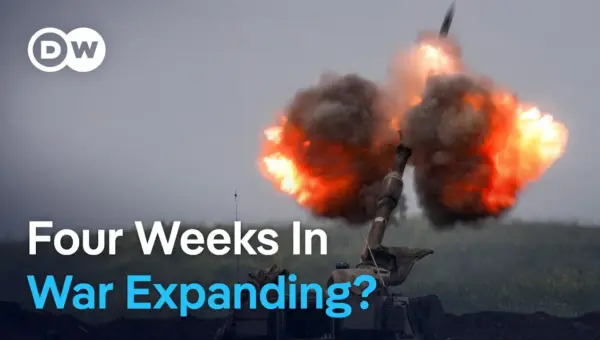
Iran War Escalates: Houthis Join Conflict as Civilians Suffer
The conflict involving Iran, the US, and Israel has escalated significantly in its fifth week, with Yemen's Houthi militia officially joining the war and launching missile attacks. Civilian populations in Iran and Lebanon are facing immense suffering, displacement, and destruction as attacks intensify across the region. Diplomatic talks are reportedly underway, but rising oil prices and divergent international goals cast a shadow over prospects for peace.


War’s $6 Trillion Toll: Global Economy Reels
A month-long Middle East conflict has triggered a $6 trillion global stock market crash, surging oil prices to $101 per barrel, and threatening crucial trade routes. The war's expansion, now involving multiple nations, is causing severe damage to global supply chains and energy infrastructure, with long-term implications for inflation and economic growth.


US War Strategy in Iran Criticized as Overly Optimistic
A former defense official has criticized the U.S. war strategy in Iran as overly optimistic, citing conflicting signals from the administration and the potential for a prolonged conflict. The deployment of ground troops and the realism of the U.S.'s demands on Iran are key points of concern.