FBI Director’s Hacked Emails Pose National Security Threat
FBI Director Kash Patel's personal emails have reportedly been hacked by Iran, raising serious national security concerns. The decade-old communications could be used as leverage against him, potentially impacting U.S. security. This incident highlights vulnerabilities within high-level government appointments.

FBI Director’s Hacked Emails Pose National Security Threat
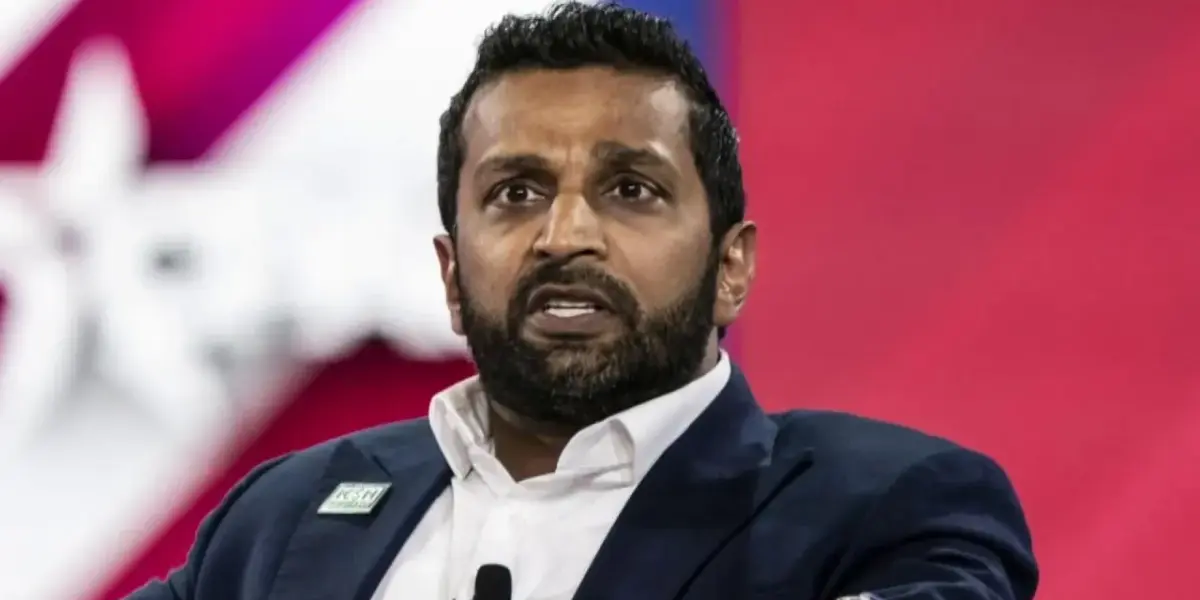
The recent hacking of FBI Director Kash Patel’s personal emails by Iran presents a serious national security concern. The breach, which reportedly includes over a decade’s worth of communications, could provide foreign adversaries with leverage against a key U.S. law enforcement official.
Past Remarks Raise Red Flags
Kash Patel’s history as a podcaster and vocal supporter of election denial adds a layer of worry. Before taking his current role, Patel made public statements that were often seen as absurd or conspiratorial. Experts suggest that if his private emails contain similar content, it could be used to embarrass or blackmail him.
This situation draws parallels to the past controversies surrounding Hillary Clinton’s private email server. Critics at the time argued her actions showed recklessness. Now, Patel’s personal emails being compromised by a foreign power highlights a potential irony, as those who once condemned such actions may now be facing similar vulnerabilities.
Potential for Compromise and Leverage
The core concern is what exactly lies within those 11 years of emails. If sensitive or damaging information is discovered, it could be used by Iran to pressure Patel. This pressure could potentially influence his decisions as FBI Director, impacting the safety and security of the United States. The thought of a foreign adversary wielding such influence over the head of the FBI is deeply troubling.
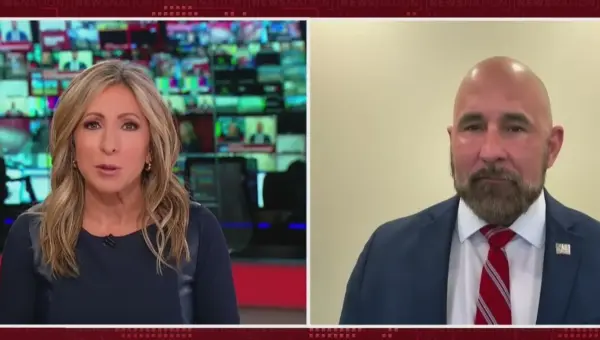
“This is really potentially bad and even dangerous for the kind of integrity of our our top law enforcement agency, the FBI. And I don’t think it’s hyperbole to say it it could be bad for our national security.”
Protocols for Compromised Officials
When sensitive information of high-ranking officials falls into enemy hands, standard protocols usually involve a thorough review. Intelligence agencies would typically meet with the affected individual to assess the potential damage. The goal is to understand what information the adversary possesses and to mitigate any risks.
However, the situation becomes more complex when the individual is the Director of the FBI. The process of reviewing his past communications could be difficult. The ultimate hope is that Patel would not succumb to any pressure from Iran, given the current conflict between the two nations.
Broader Implications for Government Security
This incident is not isolated. It occurs amid other concerns about sensitive government information being compromised. For instance, the FBI’s full Epstein files were reportedly hacked in 2023. This raises fears that similar blackmail schemes could be targeting other high-level officials within the U.S. government, including potentially former President Donald Trump.
The appointment of individuals with controversial pasts or questionable judgment to top positions is seen by some as creating vulnerabilities. Figures like Patel, and others mentioned in discussions, may have personal histories that foreign actors could exploit. This approach to staffing the executive branch could be leaving the U.S. open to exploitation by those who wish it harm.
Why This Matters
The integrity of the FBI is crucial for maintaining public trust and ensuring effective law enforcement. If its director is potentially compromised, it undermines the agency’s credibility and its ability to operate independently. The possibility of foreign interference in the leadership of such a vital institution poses a direct threat to national security.
Furthermore, this situation highlights a broader trend of political polarization potentially impacting national security. The focus on political loyalty over qualifications could lead to the appointment of individuals who are more susceptible to external pressure. This makes the entire government apparatus more vulnerable to foreign adversaries.
Historical Context and Future Outlook
The debate over email security and personal conduct of public officials is not new. The intense scrutiny of Hillary Clinton’s emails set a precedent for public concern. However, the current situation with Patel involves a different dynamic, with a foreign government reportedly being the source of the hack.
Looking ahead, this incident underscores the need for robust cybersecurity measures and thorough vetting of individuals appointed to sensitive positions. It also raises questions about how the U.S. government should respond when its top officials are potentially compromised. The long-term implications could include stricter protocols for personal digital security and a re-evaluation of appointment criteria for critical roles.
Addressing the Risk
One proposed solution for mitigating the risk associated with compromised officials is to demand their resignation. In cases where an official’s conduct or compromised information could endanger the nation, stepping down is seen as a patriotic duty. This would allow for the appointment of a successor who is not under such a cloud of suspicion.
Ultimately, the ability of governing bodies like Congress or the courts to intervene in such situations is limited. However, the tradition of presidents requesting resignations for the good of the nation has been a check on power. Whether current leadership will uphold this tradition, especially when personal interests are involved, remains a significant concern.
Source: Prosecutor drops BAD NEWS for Kash Patel amid BLACKMAIL scandal (YouTube)

Related Articles

FBI Director’s Private Life Exposed in Hacker Leak
A leaked email allegedly links FBI Director Christopher Wray to an adult website account, sparking concerns about his judgment and the security of the agency. This incident raises questions about personal conduct and public trust in leadership.

Vance Fuels Fear: Nuclear Vest Claims Echo War-Mongering Tactics
Senator JD Vance's controversial "nuclear vest" claims about Iran are drawing sharp criticism, with many seeing echoes of past fear-mongering tactics used to justify war. The remarks raise questions about scientific feasibility and responsible communication of national security threats.
Florida Cracks Down on Teen Chaos, Border Security Debate Heats Up
Florida is tightening its grip on youth disturbances, while a national debate rages over funding for the Department of Homeland Security. Lieutenant Governor Jay Collins addressed recent teen-related incidents and the state's commitment to order. Meanwhile, political divisions in Washington threaten border security operations and contribute to travel chaos, raising concerns about national safety and international standing.