US Forces Iran’s Hand in Strait of Hormuz Showdown
Iran's attempt to impose tolls on the Strait of Hormuz has sparked international concern and a strong U.S. response. Experts discuss the need for allied cooperation and sustained security operations to keep vital shipping lanes open. The situation highlights the complex geopolitical dynamics and the U.S. strategy of using force to back negotiations.

US Forces Iran’s Hand in Strait of Hormuz Showdown
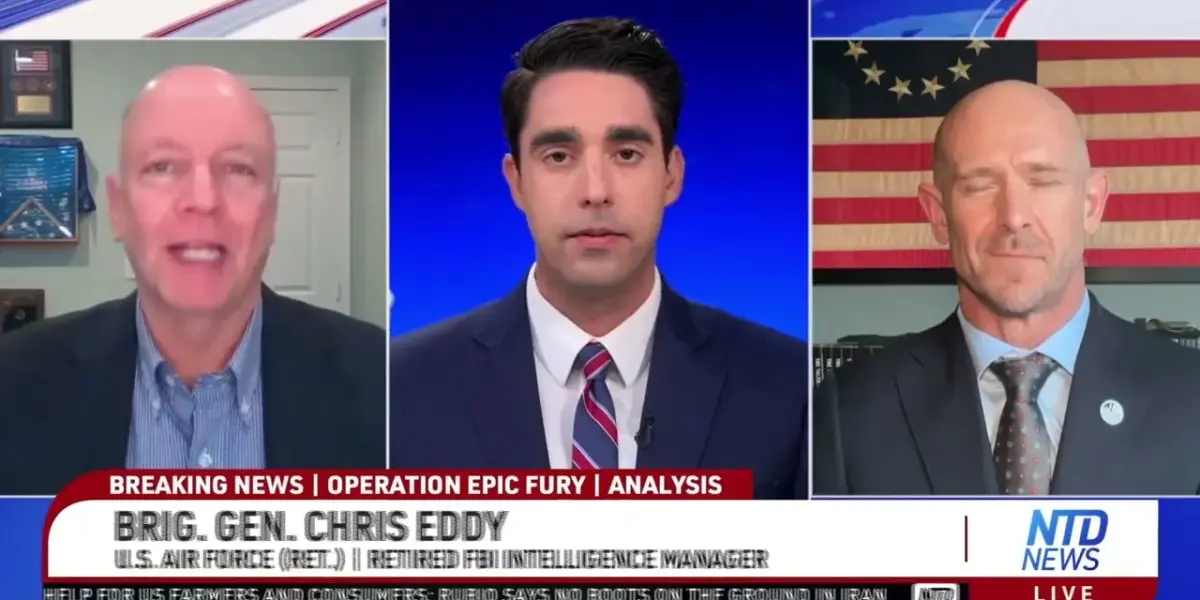
The vital Strait of Hormuz, a critical global shipping lane, is currently a focal point of international tension. Iran’s actions there have led to rising oil prices worldwide. A recent panel discussion involving retired military and intelligence experts explored the complex situation and the United States’ response.
Iran’s Bold Move: A Toll System?
One of the most striking ideas discussed was Iran’s potential to charge fees for ships passing through the Strait of Hormuz. Secretary of State Marco Rubio stated this would be illegal, unacceptable, and dangerous for global trade. He stressed the need for a united international plan to counter such actions, with the U.S. ready to lead.
“The free nations of the world will never go for that.”
Retired Brigadier General Chris Eddie agreed that Iran could try to implement a toll system, and some nations might even pay it. However, he believes it wouldn’t be a lasting solution. General Eddie noted that Gulf nations are starting to recognize the need for open waterways for everyone, not just favored trading partners. He emphasized that while the U.S. is currently winning the confrontation, the job isn’t finished. Keeping the Strait of Hormuz open is a key part of achieving complete victory.
Allies Must Step Up for Security
Secretary Rubio also highlighted the importance of allies working together to secure the Strait of Hormuz, with the U.S. offering support. Retired Navy SEAL officer Mike Cerelli suggested that a joint, sustained security operation would be necessary, extending well beyond the current conflict. He pointed out that the rhetoric from Saudi Arabia shows a rare unity among Gulf States, who are now moving toward action, even if progress is slow.
Mr. Cerelli mentioned that President Trump is deploying significant naval forces, including Marines and airborne troops. These forces are being used to strengthen the U.S. position in ongoing negotiations. He echoed the sentiment that Iran’s idea of a toll system is globally unacceptable and that Iran is not in a position to enforce it.
Iran’s Remaining Leverage and Strategic Missteps
Despite its weakened state, Iran still holds some power due to its geography and willingness to use asymmetric tactics, like attacks on ships. Reports indicated Iran recently blocked two Chinese container vessels. This is significant because China is a long-time ally of Iran, and Iran had previously suggested allowing friendly ships safe passage.
General Eddie questioned Iran’s strategy, wondering if China’s alliance was faltering. He explained that it’s unclear who is making decisions within the Iranian regime. He noted that about ten ships were allowed through recently, seemingly on behalf of President Trump. This reinforces the need for the U.S. to pursue total victory, which he defined as regime change. A partial victory would be behavioral change, but he warned against relying on costly international verification systems that eventually fail.
Mr. Cerelli viewed Iran’s actions toward China as a major strategic mistake, ranking it alongside earlier incidents like firing on ships in the Gulf and Diego Garcia. He pointed out that China also relies on oil flowing through the Strait of Hormuz. Mr. Cerelli explained that Iran’s remaining harassment tactics involve over a thousand small, fast attack boats that are difficult to track. He stated that military professionals acknowledge that fully securing the straits takes time. Eradicating Iran’s large naval vessels has been effective, but the focus must now shift to persistent surveillance and targeting these dispersed small boat threats.
Optimism and Future Outlook
Secretary Rubio expressed optimism, stating the operation is ahead of schedule and ground troops may not be needed. However, he confirmed that ground forces remain an option to provide the president with flexibility.
Mr. Cerelli addressed military objectives, explaining that President Trump is using a massive show of force to back up new negotiations. The goal is to make Iran understand the consequences of not reaching a deal. The immediate priority is securing the Strait of Hormuz, where the U.S. has air dominance. The plan involves systematically degrading Iran’s remaining missile capabilities, underground facilities, and leadership, particularly within the Islamic Revolutionary Guard Corps (IRGC).
Negotiations at an Impasse?
General Eddie described the current negotiation position as an impasse. He believes Iran cannot be trusted as a reliable partner. He suggested that Gulf allies would likely pressure the U.S. to continue the current strategy until regime change is achieved. If Iran survives the current pressure and makes a deal it doesn’t keep, it could rebuild its forces and claim victory over the U.S.
Therefore, the U.S. must persist without ceasefires until the desired behavioral and regime changes are accomplished. The panel concluded that continued pressure is essential for lasting security in the region.
Source: Trump Is Using Force to Back up New Negotiations With Iran: Panel (YouTube)

Related Articles

Iran War Escalates: Houthis Join Conflict as Civilians Suffer
The conflict involving Iran, the US, and Israel has escalated significantly in its fifth week, with Yemen's Houthi militia officially joining the war and launching missile attacks. Civilian populations in Iran and Lebanon are facing immense suffering, displacement, and destruction as attacks intensify across the region. Diplomatic talks are reportedly underway, but rising oil prices and divergent international goals cast a shadow over prospects for peace.

War’s $6 Trillion Toll: Global Economy Reels
A month-long Middle East conflict has triggered a $6 trillion global stock market crash, surging oil prices to $101 per barrel, and threatening crucial trade routes. The war's expansion, now involving multiple nations, is causing severe damage to global supply chains and energy infrastructure, with long-term implications for inflation and economic growth.

Iran War Costs Soar, Fueling Global Energy Price Hikes
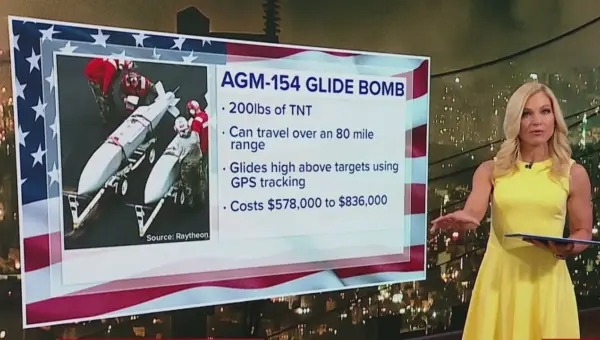
The escalating war involving Iran, the U.S., and Israel has already cost over $11 billion, heavily impacting global energy markets. Missile strikes and drone warfare are driving up gas prices worldwide, with the Strait of Hormuz remaining a critical choke point.