Iran Conflict: US Faces New Phase, Talks Stall Amidst Stalemate
The U.S.-Iran conflict has entered a critical new phase focused on pressuring Iran's military infrastructure, with diplomatic talks showing little progress. Despite potential military gains for the U.S. and Israel, Iran may view the situation as a victory, potentially leading to increased regional aggression. The conflict also highlights global opportunity costs, impacting support for Ukraine and broader geopolitical strategies.

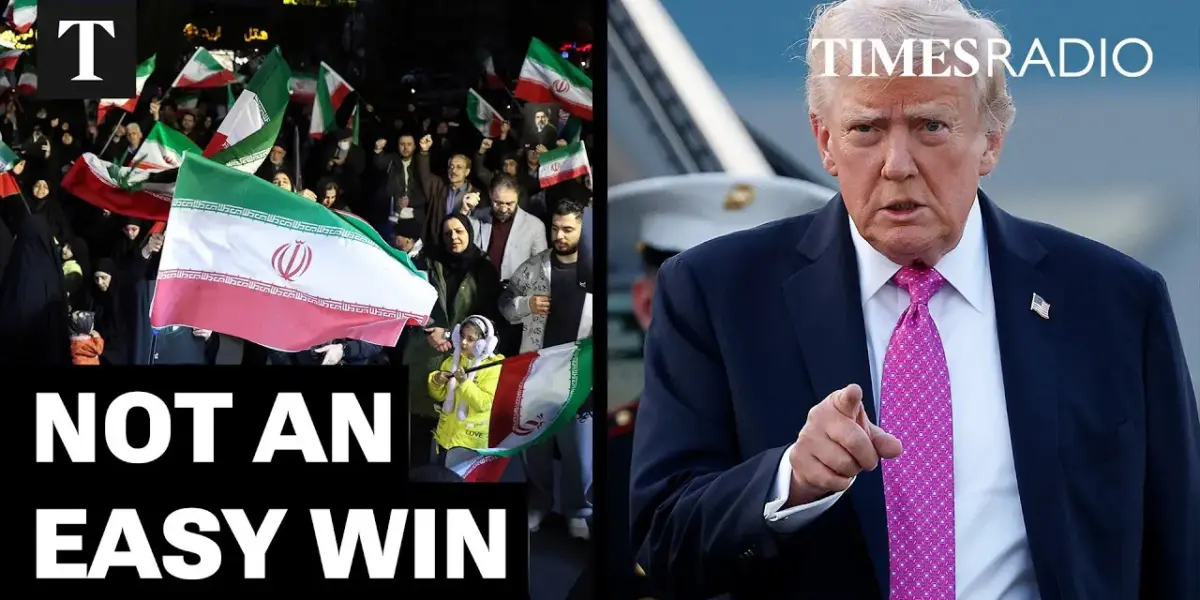
US-Iran Conflict Enters Critical New Phase Amidst Stalled Diplomacy
A complex conflict involving Iran has entered a challenging new phase, with the United States and its allies focused on pressuring Iran’s military infrastructure. The goal is to force Iran into a deal that satisfies President Trump’s demands. However, this objective appears distant, as Iran denies direct talks with the U.S. despite admitting to receiving messages through intermediaries. The balance of power currently seems to favor Iran, with President Trump suggesting more negotiations are happening than are actually taking place.
Understanding the Shifting Dynamics of the Conflict
The conflict’s initial phase, described as a race to destroy Iran’s missile launchers before the U.S. and its allies depleted their missile defense interceptors, appears to have been won by the U.S. and Israel. Now, the focus has shifted to a more difficult stage: dismantling Iran’s military infrastructure. This aims to create leverage for negotiations. However, Iran has a history of slow-moving diplomatic processes, suggesting that a satisfactory outcome may not be reached quickly.
Iran’s Perspective: A “Victory” Despite Military Damage
Experts suggest that even if Iran suffers significant military damage, its government may still perceive the conflict as a victory. This perspective mirrors how Iran viewed the devastating Iran-Iraq War, which ended with Iran’s withdrawal but was still declared a victory by its leadership. If Iran’s regime remains standing, it could interpret the current situation as a win. This perceived success might embolden Iran to adopt a new pattern of behavior, including directly attacking neighbors and increasing its influence over strategic waterways like the Strait of Hormuz.
“If the regime is still standing, they will see this as a victory. And more to the point, they will see it as a victory that has allowed them to establish a new normal of behavior in which they can attack uh uh any number of their neighbors directly.”
Strategic Considerations: The Case of Car Island
The idea of occupying Car Island has been discussed as a potential U.S. strategy to increase pressure on Iran. While taking the island might be achievable, holding it long-term presents significant challenges. Troops stationed there would become an immediate and easy target for Iranian missiles, which can be launched from a thousand miles away. This move seems driven by President Trump’s belief that sustained pressure will lead Iran to the negotiating table with an offer to cease domestic uranium enrichment. While Trump might accept such an offer, concessions on missiles, drones, and proxy activities would likely be demanded.
Challenges in Sustaining Military Operations
The U.S. faces challenges in sustaining prolonged military action against Iran due to missile limitations. While the U.S. possesses superior military technology and targeting capabilities, the continuous expenditure of missiles presents a logistical hurdle. However, some analysts believe this problem might be overstated, as the U.S. has managed similar challenges in the past with higher ordnance expenditure. The path forward likely involves either a diplomatic deal, President Trump deciding to end the operation before achieving all objectives, or continuing to target Iran’s military sites until a predefined list is exhausted. The latter appears to be the most probable short-term outcome.
President Trump’s Expectations and the Reality on the Ground
President Trump may have been surprised by the conflict’s trajectory. Drawing parallels to the U.S. intervention in Venezuela, he might have expected a swift and decisive outcome in Iran. However, Iran’s situation is significantly different from Venezuela’s, leading to a miscalculation of the potential results. Furthermore, President Trump may be surprised that Iran has not capitulated, failing to fully grasp the nature of the Iranian regime. Despite these strategic surprises, the military aspects of the war have reportedly gone well for the U.S. and Israel, achieving key objectives in disabling missile launchers and preventing major escalations that could cripple the region’s energy and water sectors. From a military standpoint, the President may be satisfied, but the long-term strategic outlook remains uncertain.
Global Implications: Opportunity Costs and Shifting Priorities
The conflict with Iran carries significant global implications, including the potential diversion of funds from other critical areas, such as support for Ukraine. The transcript highlights the concept of “opportunity cost,” noting that resources and attention have been shifted, impacting global strategy. The speaker recalls a time when U.S. aircraft carrier strike groups were absent from key regions like the Mediterranean and the Persian Gulf because they were deployed off the coast of Venezuela. This strategic redeployment has ripple effects, influencing decisions in regions like Taiwan and potentially impacting global stability.
A particularly somber point raised is the violent suppression of protests in Iran in January. Reports suggest a high number of casualties, potentially around 20,000 people killed in a very short period. The U.S. was unable to intervene effectively at that time due to the absence of critical military assets in the region, which were then positioned to support operations in Venezuela. This situation underscores how geopolitical priorities and resource allocation in one region can have direct and devastating consequences elsewhere.
Source: Iran Will See The War As A Victory Unless The Regime Is Taken Out | Will Wechsler (YouTube)

Related Articles

US War Strategy in Iran Criticized as Overly Optimistic
A former defense official has criticized the U.S. war strategy in Iran as overly optimistic, citing conflicting signals from the administration and the potential for a prolonged conflict. The deployment of ground troops and the realism of the U.S.'s demands on Iran are key points of concern.

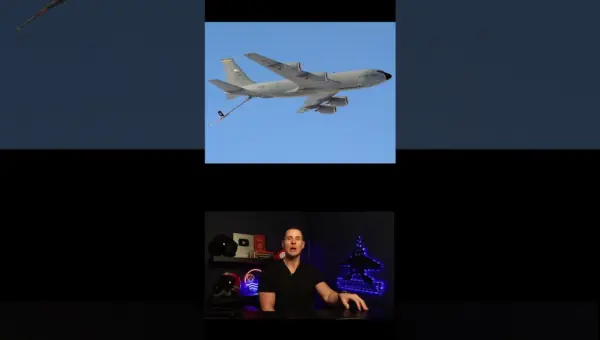
Iran Strikes Saudi Base, Escalating Mideast Tensions
Iran launched a significant missile and drone attack on Prince Sultan Air Base in Saudi Arabia. While defenses largely held, U.S. troops were wounded and tankers may be damaged. The U.S. is reinforcing the area.


Tel Aviv Residents Face Fear, Fatigue Amid Ongoing Iran Conflict
Tel Aviv residents are living under the constant threat of air raid sirens and missile strikes, forcing a new normal of fear and fatigue. Daily life is disrupted, with many relying on shelters and facing uncertainty about the future. Despite the hardships, there is a strong desire for a lasting resolution to the conflict.