US Cardinal’s Papal Upset Redraws Vatican Influence
Pope Francis's election defied expectations, including his own, as an American cardinal believed an "American" Pope was unthinkable. The swift conclave surprised many, highlighting the unpredictable nature of papal selections and signaling a potential shift in the Church's global direction.

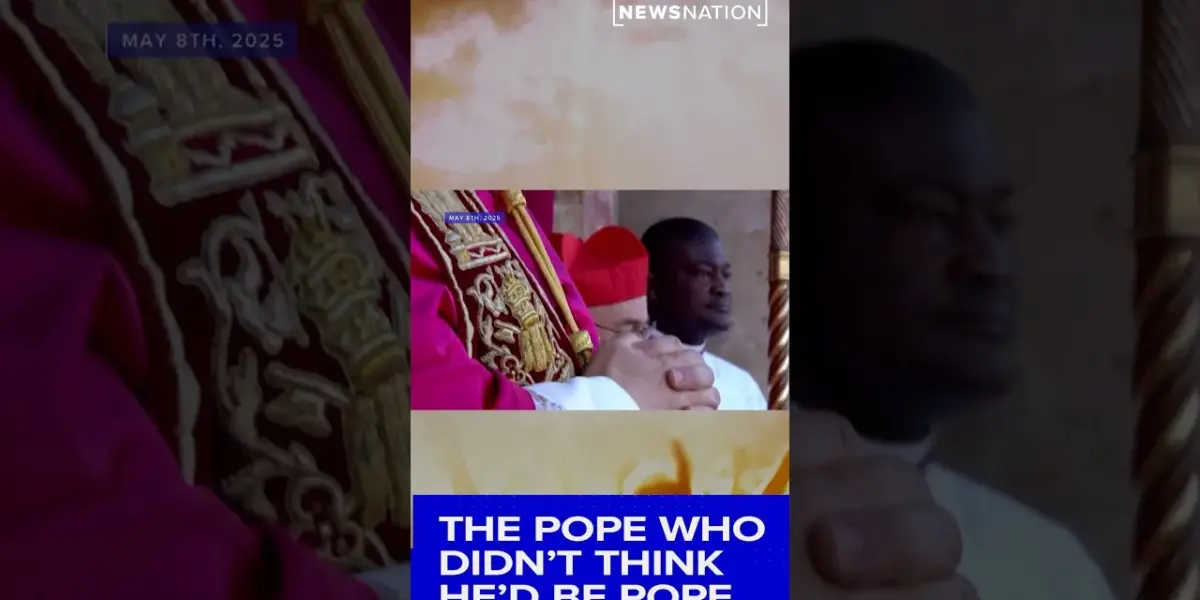
US Cardinal’s Papal Upset Redraws Vatican Influence
The election of Pope Francis marked a significant, and for some, unexpected, shift in Vatican leadership. A conversation held just weeks before the previous Pope’s hospitalization revealed that Cardinal Jorge Bergoglio, who would become Pope Francis, himself believed an American cardinal would never be elected Pope. He expressed confidence that he was not a leading contender, stating, “Oh, no, no, I’m they would never elect an American.” This sentiment underscores the deeply ingrained traditions and expectations within the College of Cardinals at the time.
However, events unfolded differently. The rapid election of Pope Francis caught many, including himself, by surprise. While the interviewer had reminded the Cardinal of his earlier doubts, the speed of the papal conclave raised momentary questions. There was a brief thought that perhaps a more established or familiar candidate had been chosen, a safer bet in the eyes of the electors. The expectation was that a more prominent figure might eventually rise, but likely after a more extended selection process.
The swiftness of the decision, however, led to a moment of doubt. The interviewer recalled thinking, “I thought maybe they picked somebody else that they saw as a safer candidate, somebody who was a little more known.” This suggests a potential internal debate or a desire for a less disruptive choice. Yet, as soon as the name “Jorge Mario Bergoglio” was announced, the doubt vanished. The interviewer confirmed, “I said it’s him, you know, it’s him, Robert Francis Pope.” This moment highlights the unpredictable nature of papal elections, where established assumptions can be quickly overturned by the will of the cardinals.
Historical Context of Papal Elections
Papal elections, known as conclaves, have a long and complex history. For centuries, the selection process was often influenced by political powers and internal church factions. The modern conclave system, where cardinals gather in isolation to elect a new Pope, was largely formalized over time to ensure a more independent decision-making process. Despite these reforms, the election of a Pope from a particular region or background can still carry significant symbolic weight and reflect shifting priorities within the Catholic Church.
Historically, Popes have come from various European countries, with Italy having the largest number of pontiffs. The election of a Pope from the Americas, and specifically the first from the Southern Hemisphere, represented a departure from this long-standing tradition. Cardinal Bergoglio’s background as an Argentinian Jesuit priest brought a new perspective to the papacy, emphasizing themes of social justice and outreach to the marginalized. His election signaled a potential reorientation of the Church’s focus and its global engagement.
Motivations and Interests of Key Actors
The cardinals participating in the conclave have diverse interests. Their primary goal is to elect a spiritual leader for the Catholic Church, one who can guide its millions of followers worldwide. However, personal, regional, and ideological considerations can also play a role. Some cardinals may favor a candidate who aligns with their theological views, while others might prioritize administrative experience or a candidate perceived as a unifier.
The late Pope’s health certainly created a sense of urgency and anticipation. His potential passing would necessitate a swift decision to ensure continuity in Church leadership. The cardinals would have been assessing candidates based on their perceived ability to lead in a rapidly changing world, addressing challenges such as secularization, internal reforms, and global crises. The surprise element of Pope Francis’s election suggests that the cardinals ultimately opted for a candidate who, despite perhaps not being the most widely anticipated, resonated deeply with their collective vision for the Church’s future.
Global Impact and Future Scenarios
Pope Francis’s election has had a profound impact on the Catholic Church and its global standing. His emphasis on humility, service, and a more inclusive approach has resonated with many, both within and outside the Church. His focus on issues like poverty, environmental protection, and interfaith dialogue has positioned the Vatican as a more active player on the international stage.
The unexpected nature of his election could also encourage more unconventional candidates in future conclaves. It demonstrates that the College of Cardinals is willing to break with tradition when it believes a particular individual is best suited to lead. This could lead to a more diverse range of papal candidates in the years to come, potentially reflecting a greater global representation within the Church’s highest office. The surprise election of Pope Francis serves as a reminder that even in seemingly predictable institutions, unexpected turns can lead to significant historical moments.
Source: Pope Leo didn’t think he’d be the pope (YouTube)

Related Articles
Mexico Navigates US-China Rivalry
Mexico is caught in a geopolitical tug-of-war between the United States and China. The nation must carefully balance its economic needs and strategic interests with both superpowers. This situation highlights Mexico's growing importance in global affairs.
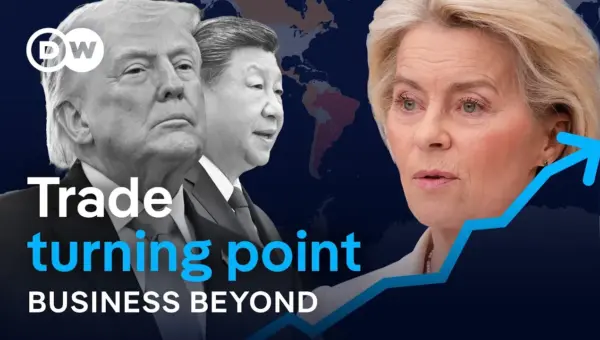
Europe Strikes New Trade Deals, Eyes Global Influence
The European Union is actively forging new trade alliances, notably with South American nations like Brazil, to reduce reliance on China and the US. Driven by the need for critical resources like rare earth metals and the desire to boost its own industries, Europe is making strategic concessions and seeking new markets, despite facing internal criticism and a changing global economic landscape.
Trump’s Oil Market Influence Wanes Amidst Global Instability
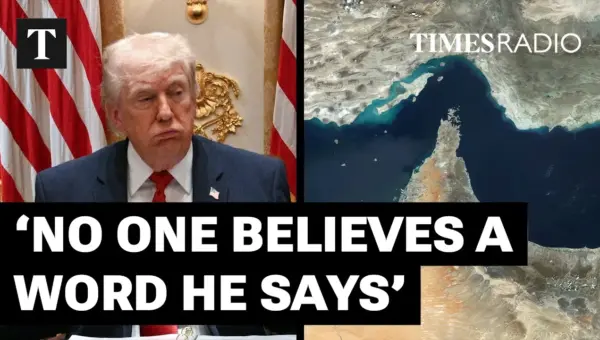
Former President Donald Trump's attempts to influence oil markets have reportedly failed, raising concerns about his diminishing credibility. Analysts compare his approach to "the boy who cried wolf," suggesting a loss of trust among market participants. The discussion also touched upon the use of personal devices for government communication and the vetting of political candidates amidst controversial remarks.