Trump’s War Strategy Faces Skepticism Amidst Shifting Goals
President Trump's strategy in the ongoing Middle East conflict is facing increasing skepticism, even from his own base. While military actions have seen success, strategic goals are unclear and diverging from allies like Israel. The prolonged war and shifting public perception are creating a sense of uncertainty and doubt.

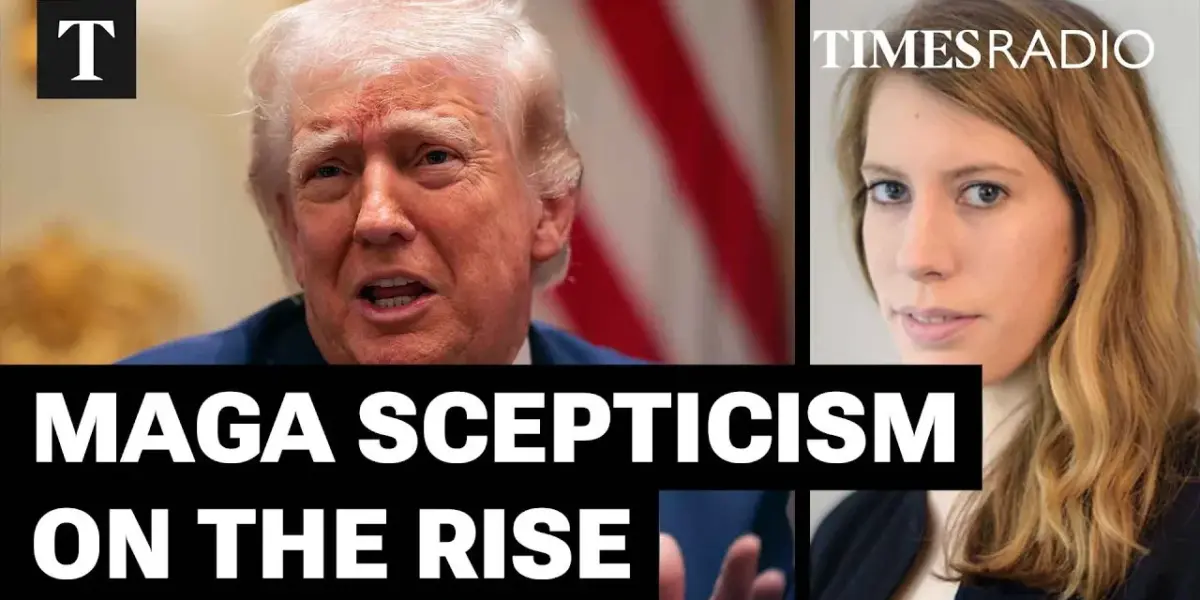
War Objectives Questioned as Trump Faces Doubts
The United States’ involvement in a conflict, initially framed by President Donald Trump with a sense of confident resolution, is now facing growing skepticism both domestically and internationally. While military operations have reportedly seen successes, the strategic aims and the President’s handling of the situation are under increasing scrutiny. This comes as reports suggest the war could continue for several more weeks, despite earlier indications it was nearing an end.
Military Successes vs. Strategic Uncertainty
Experts like Will Wexler from the Atlantic Council note that militarily, the U.S. has achieved significant successes. These include setting back Iranian capabilities and hitting targets effectively. However, Wexler points out that strategically, Donald Trump finds himself in a more challenging position. The core issue appears to be a lack of clearly defined objectives from the President. This ambiguity, intended to provide flexibility, has led to a situation where objectives may be drifting apart.
While the U.S. initially entered the conflict alongside Israel, their goals seem to be diverging. Israel remains focused on regime change, whereas President Trump appears to be seeking an ‘offramp’ – a way to de-escalate and withdraw. This divergence carries risks, especially with reports of additional troops being sent to the Middle East. Questions are being raised in Washington D.C. and at conferences like CPAC in Texas: Will the President’s preferred approach work, or will escalation be necessary to achieve his goals?
Escalation Risks and Public Opinion
The potential for escalation, such as sending troops on the ground, is a significant concern. Such a move would be unpopular with the American public, including the MAGA base and parts of the administration. Analysts suggest that while Trump may want the option to escalate if needed, the White House’s preference leans towards negotiation. Pakistan has reportedly been involved in facilitating message exchanges between parties.
However, the situation remains uncertain. If negotiations fail, the possibility of actions like a strike on Car Island looms. This could lead to a bloody conflict, raising serious questions about American public support. The President has been criticized for shifting deadlines regarding the conflict’s end, leading to a sense of unease about the potential for a messier, more prolonged engagement that could make a clean exit more difficult.
Erosion of Trust and Shifting Political Landscape
Compounding these concerns, a group of Republican lawmakers reportedly walked out of a briefing on the war by President Trump, expressing dismay at the information provided. This incident, alongside the ongoing uncertainties of the conflict, suggests a growing sentiment that the President’s statements on the war are being taken less seriously than before. Even financial markets, once responsive to Trump’s pronouncements, are showing more skepticism about claims that the conflict is nearing its end.
There appears to be a growing sense of doubt among Trump’s own supporters regarding the reality of the situation and the extent of U.S. control. This skepticism is a notable shift from the initial confidence expressed. The President’s past statements, like feeling the war’s end ‘in his bones,’ are now met with greater caution, as it’s clear that Iran and potentially Israel also have significant influence over the conflict’s trajectory.
CPAC Conference Reflects a Quieter Conservative Gathering
Reporting from Dallas, Texas, where the Conservative Political Action Conference (CPAC) is taking place, Washington editor Katy Balls observed a more subdued atmosphere this year. Unlike previous years that featured major speakers like Donald Trump, Marco Rubio, J.D. Vance, and Elon Musk, this year’s event has a less prominent lineup. This shift is attributed to several factors, including the rise of rival conservative events and the current political climate.
A year ago, CPAC was seen as a celebration of a potential Trump victory. Now, the reality of governing, coupled with the ongoing, seemingly intractable war, has cast a shadow. The weight of the administration’s responsibilities and the prolonged conflict appear to be impacting the mood and energy of the conservative base, leading to a more ‘low-key’ and ‘pared-down’ gathering.
Source: Trump Is Being ‘Taken Less Seriously’ | Katy Balls (YouTube)

Related Articles
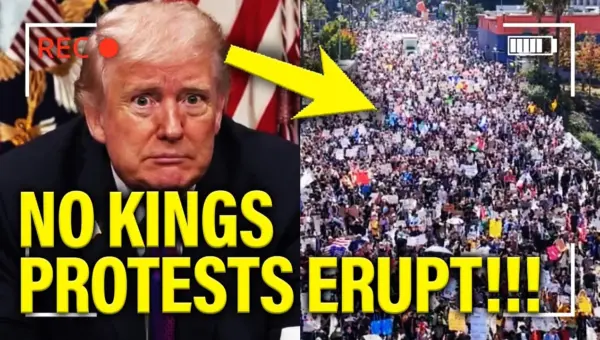
Protests Challenge Trump’s Grip as ‘No Kings’ Movement Grows
Massive 'No Kings' protests swept the nation, challenging the Trump administration and advocating for democratic values. Organizers highlighted growing support and a shift in protest tactics, positioning the movement as a force for positive change.

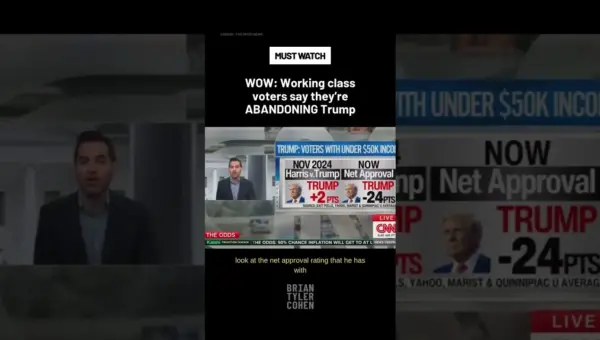
Working Class Voters Flee Trump’s Ship: A 2024 Election Reckoning?
Working-class voters, a crucial base for Donald Trump, are showing a significant decline in approval, according to recent polling. A 26-point drop in net approval among those earning under $50,000 indicates a potential shift away from Trump's coalition. This could have major implications for his future electoral prospects.
Iran-Backed Houthis Strike Israel, Escalating Regional Tensions
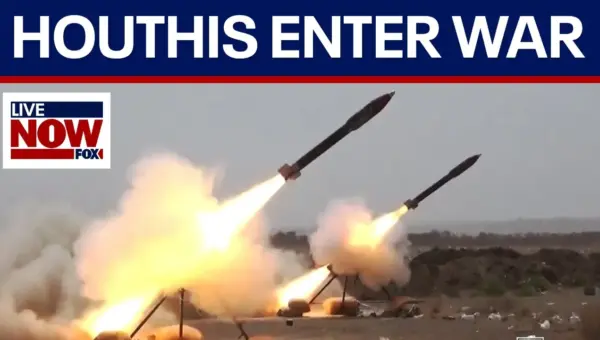
Iran-backed Houthi rebels have launched a missile attack targeting Israel, marking their first such strike since the current Middle East conflict began. The Israeli military confirmed the interception of the projectile. Analysts view this action as part of Iran's broader regional strategy, highlighting the regime's reliance on proxy forces amid internal weaknesses.