Looksmaxxing: Young Men Chase Perfect Looks Online
A growing number of young men are engaging in 'looksmaxxing,' a trend focused on extreme self-improvement of physical appearance through rigorous routines, online validation, and sometimes dangerous practices. Experts worry about the psychological impact and the focus on aesthetics over other aspects of life and relationships.

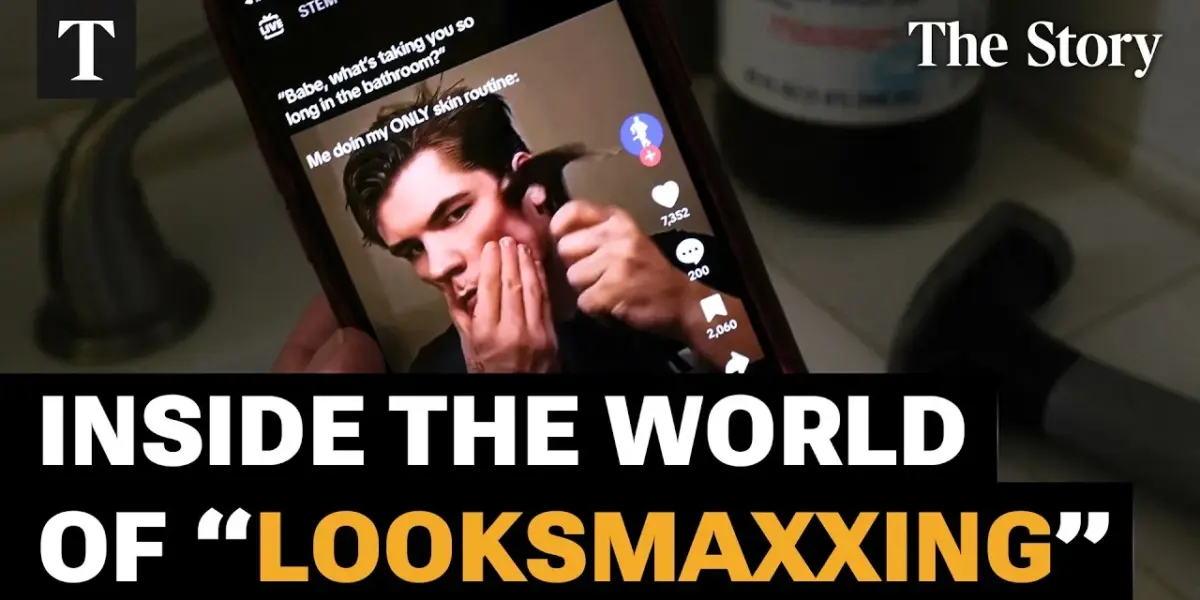
Young Men Pursue Extreme ‘Looksmaxxing’ Trend
A growing number of young men are dedicating significant time and effort to a trend called ‘looksmaxxing,’ aiming to achieve peak physical attractiveness through rigorous routines and sometimes extreme measures. This phenomenon, largely fueled by online communities and social media, involves everything from basic self-care to invasive surgical procedures, raising questions about modern masculinity and men’s mental health.
What is Looksmaxxing?
At its core, looksmaxxing is about self-improvement focused on appearance. It’s a movement, primarily adopted by young men in their late teens and early twenties, that seeks to enhance one’s looks to gain perceived societal advantages. The premise is that society rewards attractive individuals, and looksmaxxing aims to maximize this aesthetic potential.
The trend breaks down into two main categories:
- Soft Maxing: This involves conventional self-improvement tactics. It includes regular exercise, maintaining a healthy diet, improving skincare routines, getting a good haircut, and dressing well in fitted clothing. Essentially, it’s akin to modern self-care practices.
- Hard Maxing: This is where the practices become more extreme. Hard maxing can involve surgical interventions like jaw implants, rhinoplasty, and hair transplants. It also includes less conventional and potentially dangerous methods such as ‘bone smashing’ – intentionally causing minor trauma to facial bones hoping they heal stronger – and the use of unregulated substances like peptides and steroids.
The Online Ecosystem of Looksmaxxing
Social media platforms and private forums are central to the looksmaxxing movement. Here, young men share progress photos, offer and receive critiques, and exchange tips. A key element is the ‘PSL scale,’ a numerical rating system (1-10) used to assess facial features like geometry, eye tilt, and jaw width. This system, originating from controversial online communities, categorizes individuals from ‘subhuman’ to ‘Giga Chad,’ creating a competitive environment for aesthetic validation.
Terms like ‘mewing’ and ‘mogging’ are common within these communities. ‘Mewing,’ popularized by an orthodontist, involves specific tongue posture to supposedly improve jawline and facial structure. ‘Mogging’ refers to asserting aesthetic or physical dominance over others, often through comparisons of appearance or possessions.
Key Figures and Extreme Practices
Influencers like ‘Clvicular’ are prominent figures in looksmaxxing. He is known for promoting extreme measures, including steroid use and surgical enhancements, and his content often focuses on ‘ascendancy’ – improving one’s social standing through looks. While some participants are self-aware of the performative nature of these online spaces, others seem deeply invested in the pursuit of an idealized appearance.
The practice of ‘bone smashing,’ though debated in its prevalence, involves using hands or tools to strike facial bones, aiming to stimulate growth and reshape the bone structure. Similarly, the use of peptides, such as retatide, is common for rapid fat loss and muscle gain, despite being largely unregulated and experimental.
Psychological Roots and Expert Concerns
Experts like Thomas Midgley, a psychologist specializing in body dysmorphia, note that looksmaxxing can be a manifestation of obsessive spirals. He points out that for men, body dysmorphia often focuses on building a muscular physique rather than extreme thinness, making it less obvious. Social media exacerbates this by constantly showcasing seemingly perfect individuals, leading to unrealistic comparisons.
The trend may also stem from young men feeling shut out of traditional markers of success, like financial stability or career advancement, leading them to focus on appearance as the only controllable aspect of their lives. Plastic surgeons report an increase in young men seeking procedures, particularly for jaw and chin enhancement, sometimes driven by unrealistic expectations fostered by online ‘morphing’ software.
Impact on Dating and Relationships
Looksmaxxing heavily influences how young men view dating. The concepts of ‘sexual market value’ and ‘sexual marketplace’ are frequently discussed, reflecting a belief that attractiveness directly correlates with romantic success. This can turn dating into a competitive ‘arms race,’ where individuals constantly strive to enhance their appearance to attract partners.
However, experts and observers note that this intense focus on aesthetics might overshadow other crucial aspects of attraction and relationships, such as kindness, humor, connection, and shared interests. The danger lies in viewing the face as merely an ‘optimization’ problem, potentially leading to disappointment when external validation doesn’t translate into fulfilling connections.
The Broader Implications
While some participants report feeling more confident and receiving more positive social feedback through ‘soft maxing,’ the extreme end of looksmaxxing raises significant concerns. The origins of the movement in incel forums suggest a potential link to misogyny and deep-seated insecurities. The constant pursuit of an unattainable ideal, coupled with potentially dangerous practices, highlights a worrying aspect of modern male identity formation in the digital age.
The trend prompts reflection on societal pressures, the influence of online culture, and the mental well-being of young men. As looksmaxxing continues to evolve, understanding its roots and impacts is crucial for addressing the underlying issues driving this pursuit of aesthetic perfection.
What’s Next?
The long-term effects of looksmaxxing on individuals and society remain to be seen. Experts will continue to monitor the psychological impact, the rise of extreme practices, and the potential for a shift in how masculinity and attractiveness are defined. The ongoing conversation will likely focus on promoting healthier forms of self-improvement and addressing the insecurities that fuel such intense aesthetic pursuits.
Source: Looksmaxxing Explained: The Truth About Mewing and Hardmaxxing (YouTube)

Related Articles

Louis Theroux’s Manosphere Doc Delivers Jaw-Dropping Moments
Louis Theroux's latest documentary, Into the Manosphere, delivers shocking and awkward moments as he interviews men from controversial online communities. The film explores extreme views on masculinity and society, leaving viewers captivated and disturbed.


Chili’s Mocks Ruth’s Chris Dress Code in Viral Ad
Chili's has playfully mocked Ruth's Chris Steak House's new dress code, sparking an online debate about dining etiquette. While Ruth's Chris is enforcing stricter attire, Chili's stated their only rule is that customers must be dressed, highlighting a growing trend towards casual dining.

Documentary Misses Why Boys Join Manosphere: Expert
A new documentary on the manosphere has been criticized for not exploring why young men are drawn to toxic online influencers. Expert Mark Brooks argues that economic hardship and a lack of opportunity are key factors, not just online exposure.