Mexico Navigates US-China Rivalry
Mexico is caught in a geopolitical tug-of-war between the United States and China. The nation must carefully balance its economic needs and strategic interests with both superpowers. This situation highlights Mexico's growing importance in global affairs.


Mexico Navigates US-China Rivalry
Mexico finds itself in a complex geopolitical position, caught between the United States and China. This situation, often described as a “Mexican standoff,” highlights the growing influence of both superpowers in Latin America and Mexico’s strategic importance.
US-Mexico Relations Under Strain
The United States, Mexico’s largest trading partner, exerts significant economic and political pressure. Recent actions, like potential trade restrictions or tariffs, aim to keep Mexico aligned with US interests. The US wants to maintain its economic dominance and security in the region. It also seeks to limit China’s growing economic footprint in its backyard.
China’s Expanding Influence
China, on the other hand, is actively seeking to deepen its ties with Mexico. Through trade deals, investments, and infrastructure projects, Beijing aims to secure resources and expand its global reach. China sees Mexico as a key gateway to the Americas. It offers an alternative to US-dominated supply chains. Chinese companies are increasingly investing in Mexican manufacturing and technology sectors.
Mexico’s Balancing Act
Mexico’s government faces the difficult task of balancing these competing interests. It needs to maintain strong economic ties with the US while also exploring opportunities with China. This balancing act is crucial for Mexico’s economic growth and national sovereignty. The country must avoid becoming overly dependent on either superpower. It seeks to maximize benefits from both relationships.
Historical Context
Mexico has a long history of navigating relationships with powerful neighbors. The Monroe Doctrine, established by the US in the 1823, asserted American dominance in the Western Hemisphere. For decades, Mexico’s foreign policy was heavily influenced by its proximity to the US. However, China’s rise as a global economic power has introduced new dynamics. This forces Mexico to reconsider its traditional alliances and partnerships.
Economic Leverage
Economic factors play a critical role in this geopolitical chess game. The US can use trade agreements, sanctions, and border policies as leverage. China can offer significant investment, infrastructure financing, and access to its vast market. Mexico’s reliance on US trade makes it vulnerable to American pressure. Yet, China’s growing economic clout provides Mexico with an alternative, albeit with its own set of dependencies.
Regional Dynamics
Mexico’s position is also influenced by broader trends in Latin America. Many countries in the region are seeking to diversify their international partnerships. They are looking beyond traditional Western alliances. China’s Belt and Road Initiative has also made inroads in Latin America. This increases competition for influence and investment in the region.
Future Scenarios
Several future scenarios are possible. Mexico could lean more heavily towards the US, prioritizing security and existing trade ties. It might also strengthen its relationship with China, seeking greater economic independence from its northern neighbor. A more likely scenario involves Mexico continuing its balancing act, carefully managing relations with both powers. This would allow it to pursue its own national interests.
Global Impact
Mexico’s strategic choices have significant implications for the global order. Its ability to navigate the US-China rivalry will influence trade flows, investment patterns, and regional stability. A more independent Mexico could embolden other nations to seek greater autonomy in their foreign relations. Conversely, increased pressure from either superpower could reshape alliances and create new geopolitical fault lines.
Why This Reshapes the World Order
The US-China competition is a defining feature of the 21st century. Mexico’s position at the heart of this dynamic highlights the shifting global power balance. It demonstrates how emerging economies can play a more assertive role. This forces established powers to adapt their strategies. Mexico’s careful maneuvering could serve as a model for other nations seeking to chart their own course amidst great power competition.
Source: A China Uncensored Mexican Standoff! (YouTube)

Related Articles

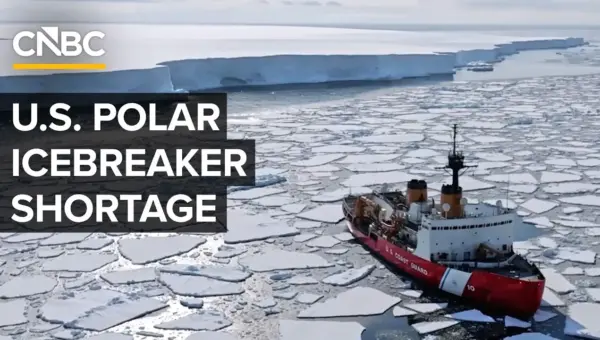
US Boosts Arctic Fleet: $8.6B Plan to Counter Russia, China
The U.S. is investing $8.6 billion to build 11 new polar icebreakers, aiming to counter Russia and China's growing Arctic presence. This initiative addresses the aging U.S. fleet and the increasing strategic importance of the Arctic as melting ice opens new trade routes.


US Cardinal’s Papal Upset Redraws Vatican Influence
Pope Francis's election defied expectations, including his own, as an American cardinal believed an "American" Pope was unthinkable. The swift conclave surprised many, highlighting the unpredictable nature of papal selections and signaling a potential shift in the Church's global direction.
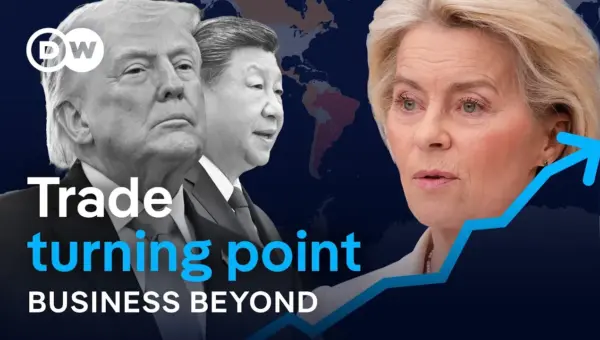
Europe Strikes New Trade Deals, Eyes Global Influence
The European Union is actively forging new trade alliances, notably with South American nations like Brazil, to reduce reliance on China and the US. Driven by the need for critical resources like rare earth metals and the desire to boost its own industries, Europe is making strategic concessions and seeking new markets, despite facing internal criticism and a changing global economic landscape.