Iran-Backed Houthis Strike Israel, Escalating Regional Tensions
Iran-backed Houthi rebels have launched a missile attack targeting Israel, marking their first such strike since the current Middle East conflict began. The Israeli military confirmed the interception of the projectile. Analysts view this action as part of Iran's broader regional strategy, highlighting the regime's reliance on proxy forces amid internal weaknesses.

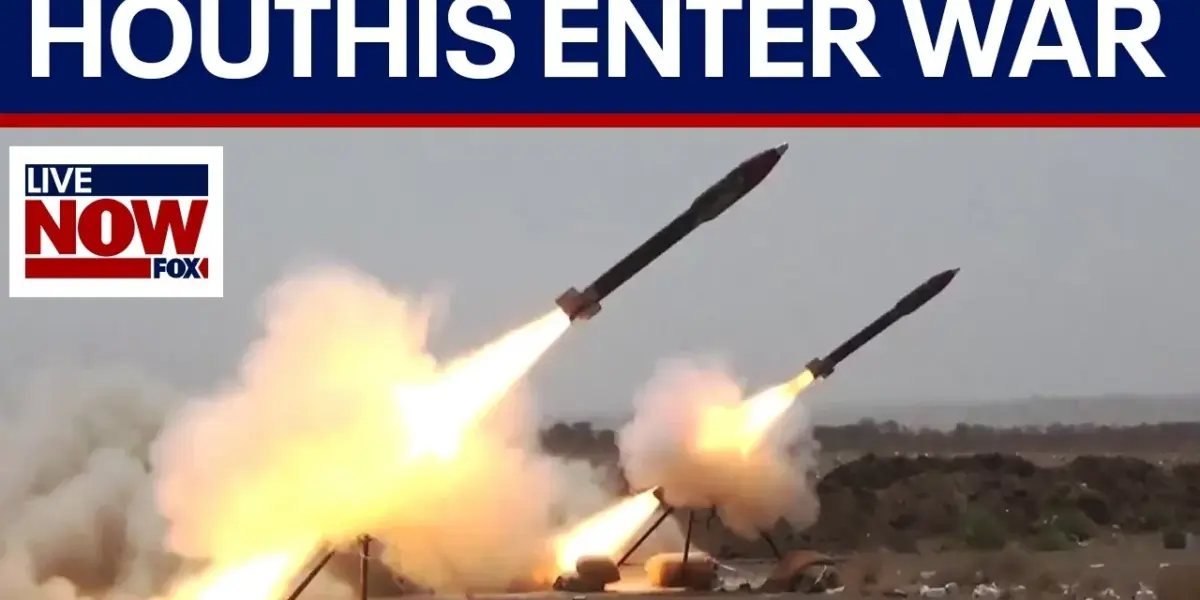
Houthis Launch Missile Attack on Israel
Iran-backed Houthi rebels in Yemen have claimed responsibility for a missile launch targeting Israel. This marks the first such attack from the Houthis since the current conflict in the Middle East began. The Israeli military confirmed that it intercepted the projectile early this morning. The strike comes as tensions remain extremely high in the region, following weeks of conflict between Israel and Hamas.
Iran’s Role and Regional Strategy
The Houthi action is seen by analysts as an extension of Iran’s broader strategy to exert influence and pressure in the region through its network of proxy forces. Ali Reza Jafarzadeh, the deputy director of the Washington office of the National Council of Resistance of Iran, stated that this missile launch highlights how much resources and attention the Iranian regime has dedicated to expanding its “terror network” and proxies over the past 47 years. He explained that this is how the regime operates, allocating a significant portion of the Iranian people’s wealth to build and maintain this network.
Jafarzadeh noted that while the Iranian regime has been weakened both regionally and internally in recent years, it still seeks to project an image of strength. “This regime is still standing at their, you know, they have the ability to fight back,” he said. The regime hopes that actions like these will distract from its internal weaknesses, especially given ongoing domestic unrest.
Israel’s Response and Defensive Capabilities
While Israel successfully intercepted the Houthi projectile, the attack itself raises questions about the evolving security landscape. The Israeli military has been on high alert, and its defense systems have been actively engaged in intercepting various threats. The successful interception demonstrates the effectiveness of Israel’s layered defense systems, which are designed to counter a range of aerial threats.
Broader Implications for Shipping and Diplomacy
The Houthi involvement also brings renewed concerns about the safety of commercial shipping in vital waterways. The rebels have previously targeted ships in the Red Sea, a crucial corridor through which a significant portion of global trade passes. Before this latest escalation, there had been a glimmer of hope for de-escalation, with reports that Iran had agreed to allow humanitarian aid and agricultural shipments through the Strait of Hormuz. However, the Houthi missile launch casts doubt on whether such diplomatic progress can be sustained and if commercial shipping will once again face direct threats.
Iran’s Missile Program and Internal Weaknesses
The Houthi attack underscores Iran’s significant investment in its missile and drone programs. Jafarzadeh explained that Iran’s missile program has been a major industry for the regime for years, with extensive development and testing of launch sites. “They did all kinds of tests,” he said, referring to a 2018 exposure of 42 missile sites used for production or launching.
Despite its advancements in missile technology, Jafarzadeh emphasized that the regime’s greatest weakness is internal. He described the Iranian regime as one that relies heavily on the Revolutionary Guards, who are deeply unpopular among the Iranian populace. The people view the Revolutionary Guards not only as oppressors but also as entities that are siphoning the country’s resources, controlling a large portion of the economy.
“This is a regime that relies heavily on the Revolutionary guards,” Jafarzadeh stated. “And the Revolutionary guards are deeply hated by the people of Iran.” He added that this internal dissent provides a significant vulnerability for the regime, even as it projects power externally through its proxies and missile capabilities.
The Path Forward
The recent events highlight the complex and volatile nature of the Middle East. The Houthi strike on Israel, coupled with Iran’s ongoing regional influence, suggests that the conflict’s ripple effects are far from over. As diplomatic efforts continue to seek a de-escalation, the focus will remain on the actions of Iran and its proxies, as well as Israel’s ability to defend itself against a widening array of threats. The internal dynamics within Iran, including public sentiment towards the regime and its security forces, will also be a critical factor to watch in the coming weeks and months.
Source: Iran-backed Houthis enter war launching strikes at Israel (YouTube)

Related Articles


Trump’s War Strategy Faces Skepticism Amidst Shifting Goals
President Trump's strategy in the ongoing Middle East conflict is facing increasing skepticism, even from his own base. While military actions have seen success, strategic goals are unclear and diverging from allies like Israel. The prolonged war and shifting public perception are creating a sense of uncertainty and doubt.


Trump’s War Talk Distracts as World Burns
As global conflicts escalate and economic pressures mount, Donald Trump's focus on past grievances and symbolic wins overshadows pressing issues. His rhetoric, including questionable claims about ending wars and strategic use of terminology to bypass Congress, raises concerns about leadership and national priorities.


Iran Extends Strait of Hormuz Deadline Amid Global Oil Tensions
The U.S. has granted Iran a 10-day extension to reopen the Strait of Hormuz, a critical global oil route. This move comes amid complex negotiations, military actions, and concerns over Iran's strategic leverage and resilience. Lawmakers express frustration over the lack of a clear strategy and potential escalation.