Europe Strikes New Trade Deals, Eyes Global Influence
The European Union is actively forging new trade alliances, notably with South American nations like Brazil, to reduce reliance on China and the US. Driven by the need for critical resources like rare earth metals and the desire to boost its own industries, Europe is making strategic concessions and seeking new markets, despite facing internal criticism and a changing global economic landscape.

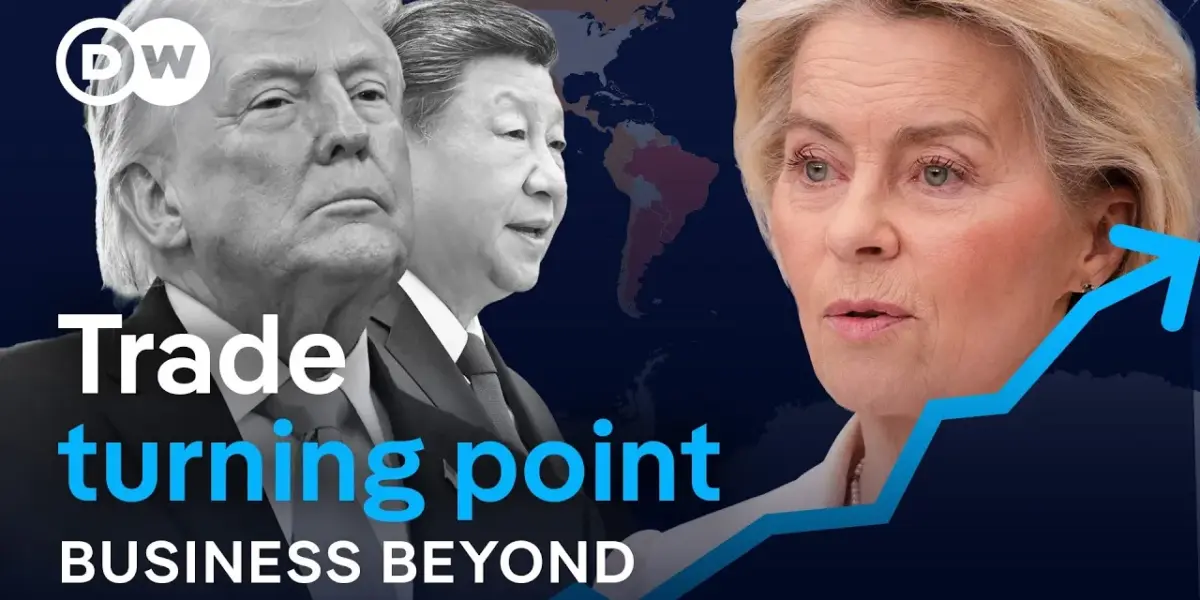
Europe Forges New Trade Alliances Amid Shifting Global Power
In a significant pivot for global commerce, the European Union has recently finalized a series of major trade agreements, signaling a strategic shift away from over-reliance on both China and the United States. This push for new partnerships, particularly with South American nations, Indonesia, and India, is driven by a desire to secure critical resources, boost its own industries, and reclaim geopolitical standing in an increasingly competitive world.
Rare Earths and Strategic Resources: The Brazil Deal
The fertile lands of southeastern Brazil, a few hours from Sao Paulo, are at the heart of Europe’s new strategy. Beneath the surface of cornfields lie vast deposits of rare earth metals, essential for renewable energy technologies and defense systems. An Australian-owned, Brazilian-run company, Meteoric, is already processing these minerals, with plans to significantly scale up operations. Brazil ranks second globally in proven rare earth reserves, yet its processing capacity is limited. This new partnership aims to develop a Western market for these vital materials, reducing dependence on China, which currently dominates 70% of global rare earth production and 90% of magnet production.
Marcelo de Carvalo, Executive Director, stated, “We really don’t want to keep the monopoly going. So we are not talking with China right now. We prefer to develop a new market which is a western market.” Brazil also offers crucial raw materials like graphite, niobium, and aluminum, further strengthening its appeal as a partner.
The “Trump Factor” and Europe’s Trade Rethink
While Europe’s move to diversify trade partners has been a long-term goal, former US President Donald Trump’s “tariff policy” in 2025 acted as a major catalyst. His administration’s actions disrupted global supply chains and damaged the US’s reputation as a reliable business partner. Trade policy analyst Enu Manak noted, “There has been a notable shift among all US trading partners in thinking about where they can diversify their trade lengths, where they can deepen them, and what are some missed opportunities that they can seize.”
This uncertainty prompted European countries, reliant on US defense and concerned about regional security, to seek greater economic autonomy. The EU-Mercosur Pact, a trade deal with four South American states, began negotiations in 2000 but faced years of deadlock over environmental and agricultural standards. It was only in January 2026, under the shadow of changing global trade dynamics, that the deal saw a major breakthrough.
Concessions and Criticisms: A New EU Approach
The EU has made significant concessions to finalize these new agreements. Professor Lucas Ferz, Brazil’s former trade negotiator, observed, “The European Union nowadays is, you know, in a very, I would say, uncomfortable geopolitical and economic position.” He added that the EU needs to be more flexible in its trade relations due to geopolitical tensions and its relationship with China.
This shift has drawn criticism. Some European climate campaigners argue that the EU is weakening its environmental commitments to secure trade deals. Conversely, European farmers have protested, fearing competition from lower-cost agricultural imports from South America. Despite these internal divisions, the EU’s trade chief defended the changes, stating, “I will continue and accelerate the simplification of some of regulations in Europe… and I think it’s a mutually reinforcing process that we try to simplify and our free trade agreement partners would like to benefit more from the relationship.”
Economic Realities Driving Trade Ambitions
Europe’s economic standing has also prompted this strategic trade pivot. In 2000, when the Mercosur negotiations began, the EU accounted for a quarter of global GDP. By 2025, this share had fallen to 17.6%. While still an economic heavyweight, the EU’s GDP is more tied to international trade than that of the US or China, making it vulnerable to external shocks.
European industries, particularly the auto sector, are feeling the pressure. German car exports to the US and China have fallen significantly. Manufacturers see new markets in Brazil, India, and Southeast Asia as crucial for growth. New trade deals are expected to lower duties on European vehicles, making them more affordable in these expanding economies. Additionally, stricter EU emission regulations for combustion engines are pushing manufacturers to seek markets where older vehicle types may still have a longer lifespan.
Emerging Powers and a Multilateral Future
The global trade landscape is changing, with emerging economies now wielding more influence. “Developing countries are right to point out this hypocrisy and now are rightly asking for something in return,” highlighted one commentator, referencing past Western stances on trade and China’s manufacturing rise.
These nations are aware of their value. Brazil, for example, is a major producer of protein, with a young population and significant natural wealth. The EU is reframing its offer to emphasize reliability and mutually beneficial deals. The EU’s trade chief stated, “We are predictable. We always look for mutually advantageous deals.” This approach contrasts with the unpredictable trade announcements from other major powers.
In a world where the “law of the jungle” is a risk, preserving a multilateral trading system based on rules is paramount, especially for developing economies. The EU is looking to extend this momentum in 2026 with potential deals in Thailand, the Philippines, and the UAE. Despite the challenges, the global trade recalibration is well underway, suggesting a new, more fragmented trade order where larger economies are not the sole rule-makers.
What’s Next for Global Trade?
The coming year will be critical in observing how these new trade partnerships evolve and whether Europe can successfully navigate internal divisions to achieve its geopolitical and economic goals. The trend of countries picking specific partners and potentially forging a new system out of current complexities will be key to watch. The EU’s ability to maintain its trade momentum and adapt to the demands of emerging economies will shape its future influence on the global stage.
Source: How Europe is Replacing China and the US | Business Beyond (YouTube)

Related Articles

US Cardinal’s Papal Upset Redraws Vatican Influence
Pope Francis's election defied expectations, including his own, as an American cardinal believed an "American" Pope was unthinkable. The swift conclave surprised many, highlighting the unpredictable nature of papal selections and signaling a potential shift in the Church's global direction.


Mexico Navigates US-China Rivalry
Mexico is caught in a geopolitical tug-of-war between the United States and China. The nation must carefully balance its economic needs and strategic interests with both superpowers. This situation highlights Mexico's growing importance in global affairs.
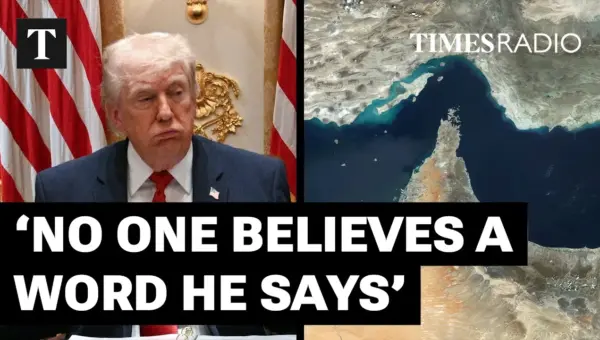
Trump’s Oil Market Influence Wanes Amidst Global Instability
Former President Donald Trump's attempts to influence oil markets have reportedly failed, raising concerns about his diminishing credibility. Analysts compare his approach to "the boy who cried wolf," suggesting a loss of trust among market participants. The discussion also touched upon the use of personal devices for government communication and the vetting of political candidates amidst controversial remarks.