Parents Win Landmark Social Media Trial Against Big Tech
A landmark trial in Los Angeles has concluded with a jury finding Meta and YouTube liable for harm caused by their platforms' addictive designs. Parents who lost children to social media-related issues celebrated the verdict, calling it a victory for a generation. Tech companies maintain their stance, arguing mental health is complex and cannot be solely blamed on apps.

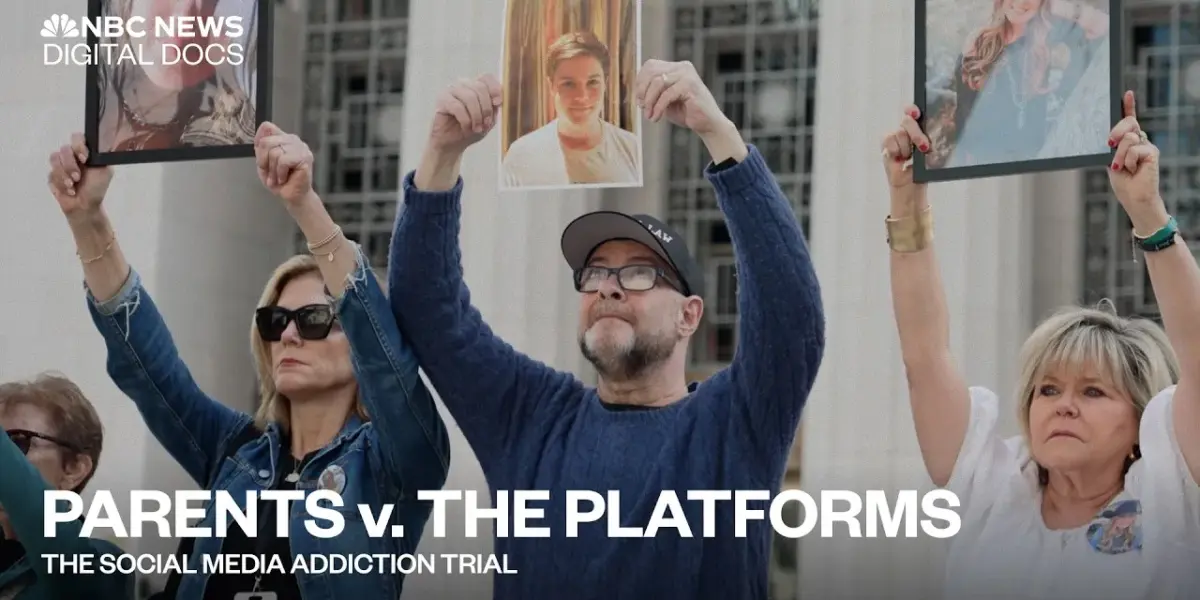
Social Media Trial Verdict Reached in Los Angeles
In a downtown Los Angeles courtroom this week, a historic trial concluded with a jury finding both Meta and YouTube liable for harm caused to young users. This marks the first time major social media companies have faced a jury over claims their platforms are addictive and harmful to children. The verdict comes after weeks of testimony, including from parents who lost children and tech executives.
Families Share Heartbreaking Stories
The trial centered on allegations that social media platforms were designed to be addictive, leading to severe mental health issues for young people. Parents like those of Ana Lee, who died at 16, shared their experiences. Ana’s mother described her daughter as a vibrant child whose life was tragically cut short. “They broke my daughter. They broke so many families, and they knew it,” she stated, reflecting the deep pain and conviction of many parents involved.
Another parent recounted the devastating loss of their daughter, Becca, and son, Alexander, believing their deaths were directly linked to social media use. These families have been vocal advocates, traveling to Los Angeles to support the case. They expressed the immense emotional toll of losing a child and the struggle to navigate a world where technology plays such a dominant role in young lives.
Legal Battle Against Tech Giants
Lead trial lawyer Mark Lanier represented plaintiff Kayleigh Gm, arguing that companies like Meta and YouTube deliberately designed features to increase user addiction. These features include endless scrolling, autoplay videos, and push notifications. “These companies under the law get a free pass for any content. It’s called Section 230,” Lanier explained, referring to a law that shields online platforms from liability for user-generated content. However, the judge ruled that platform features themselves could be actionable.
The legal team presented evidence suggesting that the companies targeted vulnerable users, akin to a lion hunting weaker prey in the wild. Dr. Anna Lemke, head of Stanford Medical School’s addiction program, testified that platforms like YouTube and Instagram can indeed be addictive for some individuals. The core argument was that instead of implementing effective controls, the companies prioritized increasing watch time and profits.
Parents’ Fight for Change
Outside the courthouse, parents gathered, showing solidarity and determination. “We don’t have a chance if we don’t try. Who will?” one mother declared, embodying the spirit of the movement. These parents have been traveling, advocating, and sharing their stories for years, aiming to bring about significant reform. They see this trial not just as a personal fight but as a crucial step for a generation.
The sheer power and financial resources of Big Tech present an immense challenge. Yet, the parents stand firm, vowing to continue their fight. “Big Tech’s powerful, and I’m just a little mom, but it’s toe to toe now,” one parent stated, highlighting the David-and-Goliath nature of their struggle. Their efforts extend beyond the courtroom, with plans to take their message to Capitol Hill.
The Verdict and Its Implications
After days of waiting, the jury reached a verdict, finding Meta and YouTube liable on all counts. This decision is a significant victory for the plaintiffs and potentially sets a powerful legal precedent for over 1,600 similar lawsuits pending against social media companies. The outcome could reshape how these platforms operate and their responsibility towards young users.
In response to the verdict, Meta and YouTube issued statements. Meta stated, “Teen mental health is profoundly complex and cannot be linked to a single app.” They added, “We will continue to defend ourselves vigorously as every case is different, and we remain confident in our record of protecting teens online.” The companies argue that they are not liable for content posted on their sites and have implemented safeguards over the years.
Looking Ahead: A New Era for Social Media?
This landmark verdict sends a strong message to the tech industry. The fight for reform is far from over, but this win provides momentum and hope for countless families. The focus now shifts to the broader implications of this ruling and whether it will lead to more accountability and safer online environments for children and adolescents worldwide. Future legal challenges and legislative efforts will undoubtedly be influenced by this historic trial.
Source: Parents v. The Platforms: the families who fought big tech and won (YouTube)

Related Articles


New Food Channel Seeks 1,000 Subs, 4,000 Watch Hours
Content creators Joe and Naz have launched a new YouTube channel focused on food exploration. "Joe and Naz" aims to reach 1,000 subscribers and 4,000 watch hours to grow its audience. The duo plans to feature restaurant reviews, travel, and audience-suggested content.

Meta, YouTube Lose Landmark Cases Over Teen Harm
Meta and YouTube have been found liable in landmark cases alleging their platforms contribute to harm among teenage users. Juries saw through company denials after prosecutors presented damning internal documents showing awareness of negative impacts. This ruling could lead to significant changes in how social media companies are held accountable.

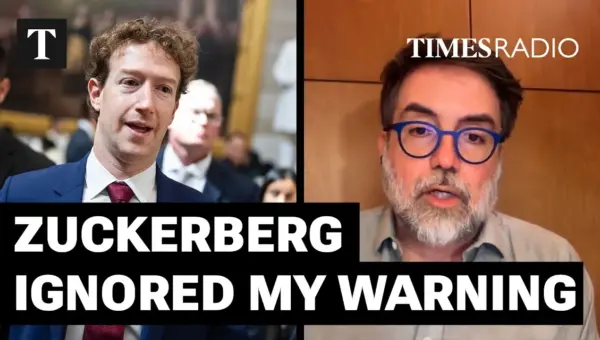
Meta Whistleblower: Zuckerberg Ignored Child Safety Warnings
A former Instagram executive revealed that Meta knew about the harm its platforms caused to children but failed to act. Art Behar testified that Mark Zuckerberg ignored his direct warnings, highlighting the addictive design and ineffective safety tools on Instagram. The recent Los Angeles ruling against Meta has opened the door for greater scrutiny of big tech's practices.