G7 Leaders Clash Over Trump’s Iran Policy Amidst Global Crisis
World leaders at a G7 meeting voiced sharp criticism of Donald Trump's Iran policy, citing concerns over the Strait of Hormuz and a looming global recession. Disagreements emerged regarding strategy and accusations of misinformation, highlighting deep divisions.

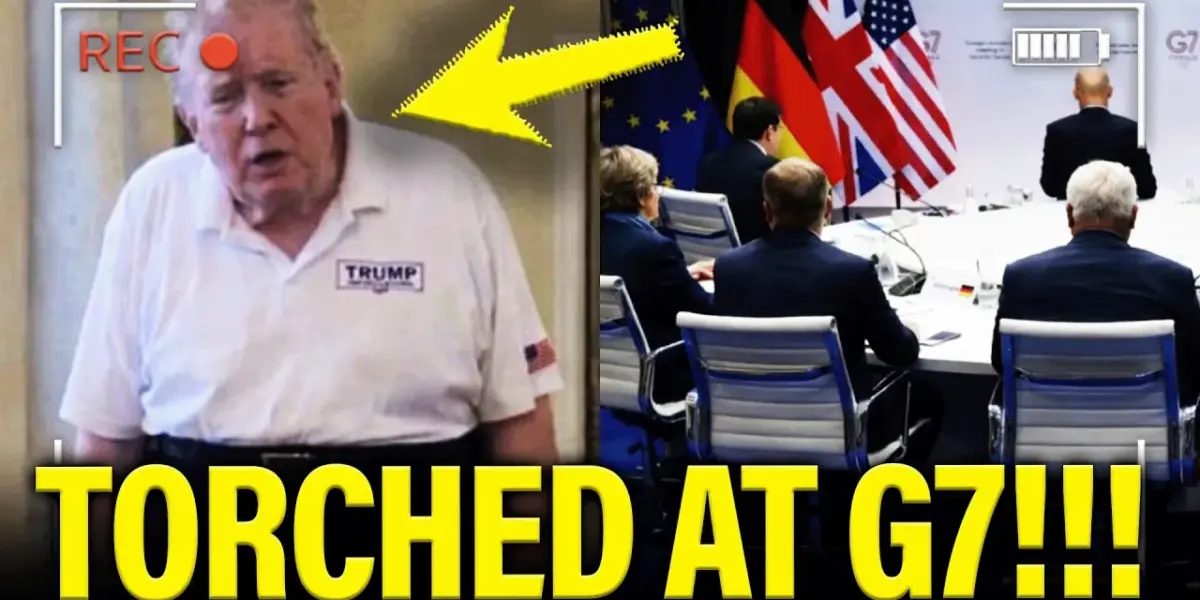
Global Leaders Scrutinize Trump’s Iran Strategy at G7 Summit
A recent G7 meeting in France became a stage for intense debate among world leaders, with many expressing strong criticism of former President Donald Trump’s approach to the escalating conflict with Iran. Reports indicate a significant rift emerged, particularly concerning the Strait of Hormuz and the overall strategy for managing regional instability.
Strait of Hormuz: A Critical Chokepoint Under Threat
Senator Marco Rubio highlighted a worrying trend during the G7 discussions: the Strait of Hormuz, a vital waterway for global oil transport, is experiencing a dramatic reduction in traffic. Shipping through the strait has reportedly dropped by 97% since the current conflict began. Rubio warned that Iran might establish a permanent tolling system in the strait, a move that could severely impact international trade and energy supplies.
This situation has led to a sharp disagreement, with European officials reportedly clashing with Rubio. EU’s foreign policy chief is said to have challenged Rubio, questioning the effectiveness of recent U.S. policies and pointing to a perceived weakening of resolve against certain adversaries. The core of the dispute appears to be a disagreement on whether the current approach is de-escalating or further inflaming the situation.
Economic Fallout: Recession Fears Mount
The implications of the conflict extend far beyond regional politics, with global economic stability now a major concern. Leaders at the G7 expressed deep worries about a potential worldwide recession. Finland’s President Alexander Stubb described the Iran conflict as a risk that could trigger a “self-inflicted global recession” with consequences potentially worse than the COVID-19 pandemic.
Christine Lagarde, head of the European Central Bank, echoed these concerns, stating that the damage to the global economy is already significant. She explained that disruptions to oil, liquefied natural gas (LNG), helium, and fertilizer supplies are creating widespread problems. Even if the war were to end soon, the economic repercussions would continue to ripple through supply chains for years. The scarcity of critical materials, like helium used in microchip manufacturing, could directly impact the cost and availability of everyday technology.
Divergent Strategies and Accusations of Misinformation
A key point of contention at the G7 was the perceived lack of a clear strategy from the U.S. and Israel regarding Iran. German Chancellor Friedrich Merz reportedly stated that both nations are becoming increasingly entangled in the conflict without a defined plan. He suggested that actions taken were not following established NATO procedures, implying an isolated approach.
Furthermore, accusations of misinformation were exchanged. Iran’s foreign minister claimed that statements from the Trump administration regarding negotiations were false, presenting Iran’s non-negotiable demands, which include ballistic missile development, uranium enrichment, and reparations. Conversely, the Trump administration reportedly maintained that productive conversations were ongoing. This stark contrast highlights a significant communication breakdown and mutual distrust.
Broader Geopolitical Tensions and Shifting Alliances
The conflict has also exposed divisions among Middle Eastern nations. Some Arab countries are reportedly urging an immediate end to the war, seeking closure. Others, like Saudi Arabia and the United Arab Emirates, appear to be seeking stronger intervention, fearing that a failure to decisively counter Iran could leave them vulnerable. This creates a complex and tense regional dynamic.
Adding to the complexity, Iran has reportedly been sharing drone technology with its allies, such as Hezbollah, which is now using advanced FPV drones against Israeli tanks. This technological proliferation raises concerns about the evolving nature of regional warfare and the expanding reach of Iranian influence.
Domestic Policies Under Scrutiny
Beyond the international arena, domestic policies also drew attention. Reports emerged of the Trump administration allocating nearly $1 billion in taxpayer money to a French energy company, TotalEnergies. This funding reportedly incentivizes the company to cancel offshore wind projects in the U.S. and instead invest further in oil and gas production. Critics argue this move directly contradicts efforts to combat climate change by prioritizing fossil fuels over renewable energy sources.
Historical Context and Future Outlook
The current situation echoes past geopolitical challenges where strategic decisions have had far-reaching consequences. The Strait of Hormuz has long been a focal point of international tension, with various actors seeking to control or influence its passage. The economic impact of regional conflicts, as seen during past oil crises, underscores the fragility of global supply chains.
The G7 meeting revealed a deep concern among global leaders about the direction of U.S. foreign policy under Trump, particularly regarding its impact on international stability and economic well-being. The lack of a unified strategy and the accusations of misinformation create an uncertain future. The ongoing conflict, coupled with these diplomatic tensions, suggests a prolonged period of global instability and economic challenge.
Why This Matters
The events discussed at the G7 meeting have profound implications for global security and the world economy. The potential closure or control of the Strait of Hormuz could lead to skyrocketing energy prices, impacting everything from transportation to manufacturing. The warnings of a global recession highlight the interconnectedness of nations and how regional conflicts can have devastating worldwide economic effects. The differing approaches to diplomacy and conflict resolution also raise questions about the future of international cooperation and alliances. The decisions made, or not made, by global leaders in response to these crises will shape the economic and political landscape for years to come.
Source: FURIOUS World Leaders TORCH Trump for WAR at G7 MEETING!! (YouTube)

Related Articles
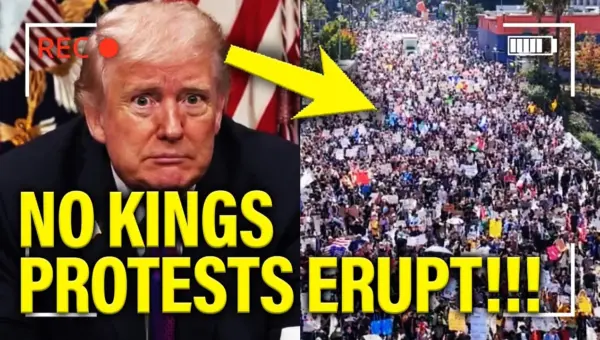
Protests Challenge Trump’s Grip as ‘No Kings’ Movement Grows
Massive 'No Kings' protests swept the nation, challenging the Trump administration and advocating for democratic values. Organizers highlighted growing support and a shift in protest tactics, positioning the movement as a force for positive change.

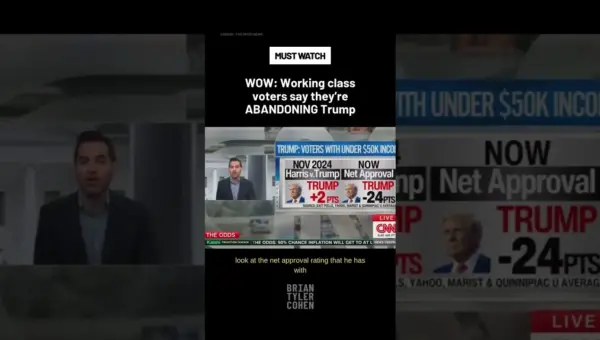
Working Class Voters Flee Trump’s Ship: A 2024 Election Reckoning?
Working-class voters, a crucial base for Donald Trump, are showing a significant decline in approval, according to recent polling. A 26-point drop in net approval among those earning under $50,000 indicates a potential shift away from Trump's coalition. This could have major implications for his future electoral prospects.
Trump’s 200-Year Lifespan Claim Defies Biology
Donald Trump recently claimed he could live to 200 years old, a statement attributed to his former doctor and diet advice. This assertion, made while appearing visibly unwell, starkly contrasts with scientific understanding of human lifespan limits, which cap around 120 years. The incident raises questions about health claims and medical ethics.