Trump’s Oil Market Influence Wanes Amidst Global Instability
Former President Donald Trump's attempts to influence oil markets have reportedly failed, raising concerns about his diminishing credibility. Analysts compare his approach to "the boy who cried wolf," suggesting a loss of trust among market participants. The discussion also touched upon the use of personal devices for government communication and the vetting of political candidates amidst controversial remarks.

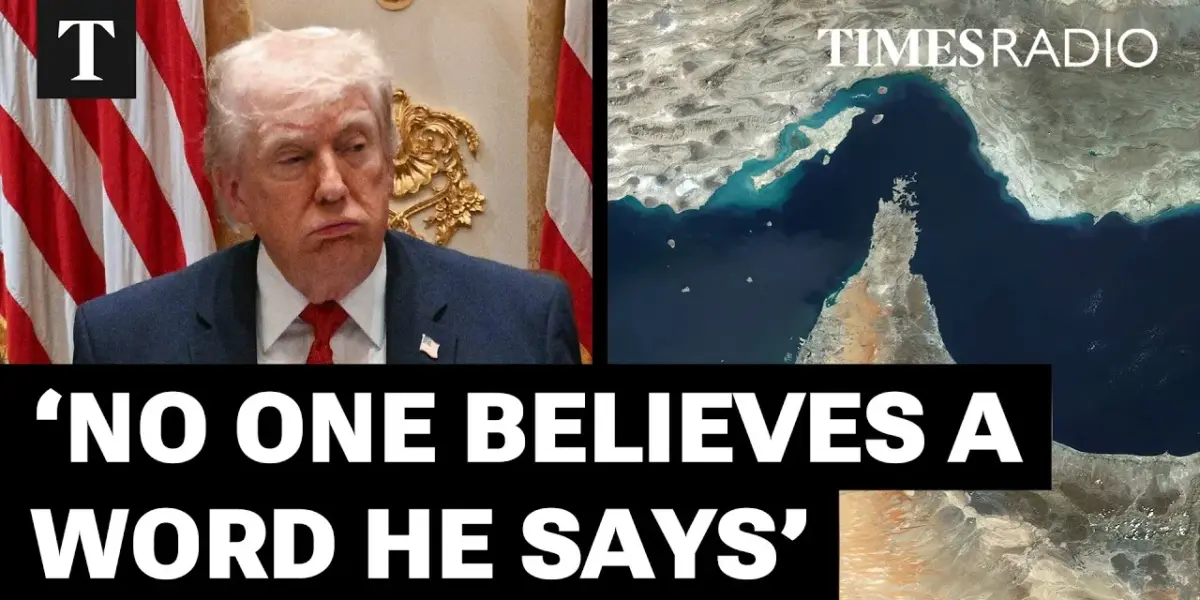
Trump’s Declining Influence on Oil Markets Questioned
Recent attempts by former President Donald Trump to calm volatile oil markets have reportedly fallen flat, raising questions about his fading influence. While Trump has previously used public statements to sway market sentiment, his recent pronouncements appear to have lost their impact. This has led to a continued rise in oil prices and a decline in financial markets, prompting analysts to question the effectiveness of his communication strategies.
Analysts Draw Parallels to ‘The Boy Who Cried Wolf’
Guto Harri, former Downing Street director of communications, likened Trump’s approach to the fable of “The Boy Who Cried Wolf.” Harri suggested that Trump’s repeated attempts to reassure the public and markets, even when no immediate threat was present, have eroded his credibility. “When the wolf actually came and devoured the sort of flock of sheep, nobody believed him and nobody came to the rescue,” Harri stated, implying that his current pronouncements are no longer taken seriously.
Rebecca Hudson, editor-in-chief of The News Movement, agreed, noting that Trump’s strategy of making public statements on Truth Social while simultaneously deploying military resources to a region creates a contradictory message. “You cannot reassure the markets with sort of capital posts on Truth Social… while at the same time be continually deploying troops… while at the same time telling us all that it’s going to be wrapped up in a matter of weeks,” Hudson explained. She characterized Trump’s lashing out at allies as a last resort for someone in a panic.
Broader Economic Repercussions of Market Volatility
The instability in oil markets has far-reaching consequences beyond fuel prices. A piece in The Times highlighted how rising oil costs impact various global industries. “The price of oil shooting through the roof doesn’t just make oil more expensive and petrol more expensive, but drugs that are made in India or, you know, fertilizer that goes into farming across Africa and elsewhere in the world and, you know, computer chips made in Taiwan, they’re all affected,” the article noted. This ripple effect underscores the critical nature of global energy stability.
Critiques of Foreign Policy Decisions
One former government insider described the current situation as potentially the “most fundamentally flawed foreign policy decision since Suez,” a historical event that had significant and lasting repercussions. This comparison suggests a deep concern about the long-term strategic implications of recent actions and Trump’s role in them.
Debate Over Use of Personal Devices for Government Business
The discussion also shifted to the use of personal devices, such as WhatsApp, for government communication. The theft of a phone belonging to Keir Starmer’s former chief of staff brought this issue to the forefront. While some see it as an inevitable consequence of modern technology, others raise concerns about transparency and security.
Guto Harri argued that using such tools is necessary for efficient government operations. “You need to communicate with a number of people who are not in the same room. And if you wait for everyone to be in the same room… it’s going to slow down government to a level where it can’t operate,” he said. However, he also stressed the importance of private space for decision-making, stating, “People who take big difficult decisions have got to have a little bit of private space to test arguments.”
Rebecca Hudson acknowledged the convenience of platforms like WhatsApp but emphasized the need for responsible communication. “We probably need to think about how we could ensure that the people in government… are communicating effectively and responsibly,” she stated. She also pointed out inconsistencies in the reported phone theft, suggesting the need for further answers.
Scrutiny of Political Candidates and Offensive Remarks
The conversation then turned to political candidates and the vetting process, particularly in light of offensive comments made by some individuals. Reform UK in Scotland has faced criticism after several candidates and former candidates made remarks deemed inappropriate or bordering on hate speech.
Malcolm Offord, leader of Reform UK in Scotland, suggested voters would overlook such comments, calling them “occasional offensive jokes.” However, Rebecca Hudson countered this perspective, stating, “There’s a real difference between plain speaking and offense or… some of these comments… bordering on kind of hate speech and and targeting marginalized communities.” She argued for basic standards in public life and robust scrutiny of those seeking political office.
Guto Harri raised concerns about taking comments out of context, comparing them to humorous moments from television shows that might be deemed offensive today. He questioned whether past immaturity or jokes should disqualify individuals from public life. “We all thought it was really funny at the time, and it’s quite funny if you watch Faulty Towers back now. And yet you take these things out of context, you blow them up, and you, frankly, in rugby terms, you play the man, not the ball,” Harri commented.
Hudson disagreed, differentiating between a comedian’s joke and a politician’s potentially harmful remarks. “He was calling a woman ugly. It was a really grotesque homophobic joke, which we’re not repeating for good reason,” she stated, emphasizing the severity and nature of the comments made by the Reform UK figure.
Liz Truss’s ‘Make England Great Again’ Movement
Former Prime Minister Liz Truss also came under discussion for her remarks at the Conservative Political Action Conference (CPAC) in the US. Truss called for a “Make England Great Again” movement, drawing parallels to Trump’s slogan. She also spoke of an “Islamist takeover” of the UK.
Guto Harri found Truss’s comments to be “beyond parody” and questioned the relevance of her proposals, such as banning the burka, to core issues like economic growth and public services. “None of this is aided by putting on a a baseball cap and chanting, you know, mega,” he remarked.
Rebecca Hudson suggested Truss might be seeking attention and criticized the platform given to her for what Hudson termed “globalist conspiracy theories.” She also humorously noted that Truss might not possess the charisma associated with such events.
The discussion highlighted a range of current political and economic issues, from international market stability and foreign policy to the conduct of public officials and the standards expected of political candidates.
Source: Trumps Waning Influence Evident In Failure To Cool Oil Markets (YouTube)

Related Articles
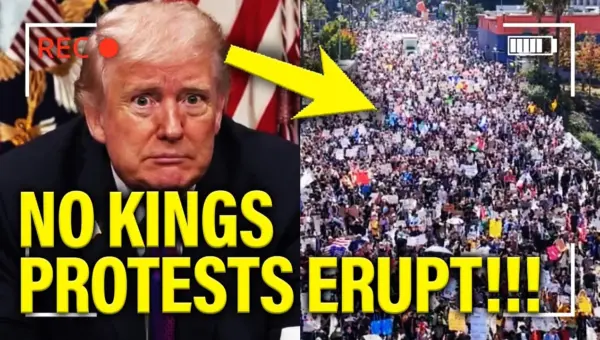
Protests Challenge Trump’s Grip as ‘No Kings’ Movement Grows
Massive 'No Kings' protests swept the nation, challenging the Trump administration and advocating for democratic values. Organizers highlighted growing support and a shift in protest tactics, positioning the movement as a force for positive change.

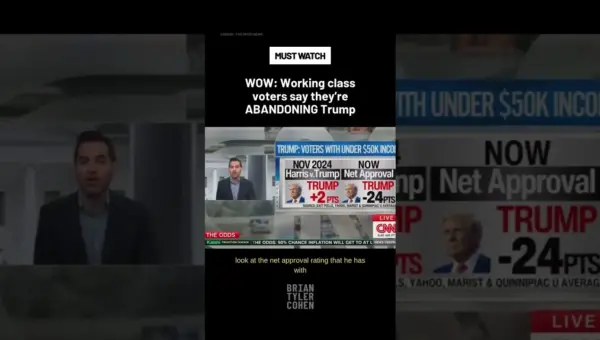
Working Class Voters Flee Trump’s Ship: A 2024 Election Reckoning?
Working-class voters, a crucial base for Donald Trump, are showing a significant decline in approval, according to recent polling. A 26-point drop in net approval among those earning under $50,000 indicates a potential shift away from Trump's coalition. This could have major implications for his future electoral prospects.


Mexico Navigates US-China Rivalry
Mexico is caught in a geopolitical tug-of-war between the United States and China. The nation must carefully balance its economic needs and strategic interests with both superpowers. This situation highlights Mexico's growing importance in global affairs.