Trump’s War Talk Distracts as World Burns
As global conflicts escalate and economic pressures mount, Donald Trump's focus on past grievances and symbolic wins overshadows pressing issues. His rhetoric, including questionable claims about ending wars and strategic use of terminology to bypass Congress, raises concerns about leadership and national priorities.

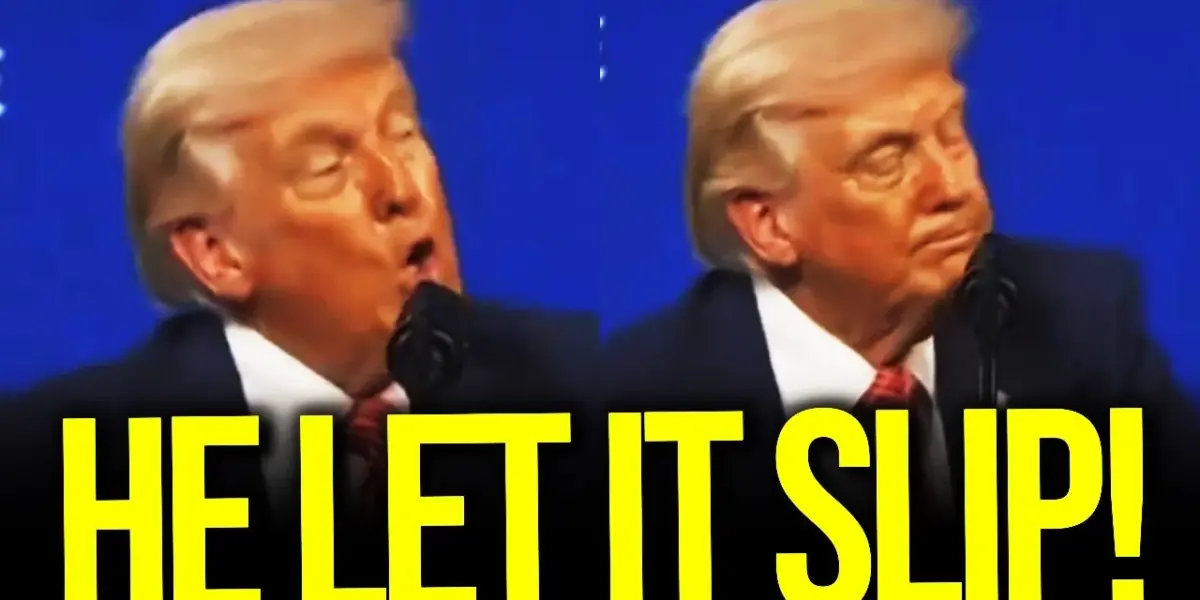
Trump’s War Talk Distracts as World Burns
As the world faces escalating conflict and rising prices, former President Donald Trump continues to focus on past grievances and symbolic victories. While new players, like the Houthi rebels, officially enter the war in the Middle East, Trump’s public appearances are filled with rants about unrelated topics and claims about ending wars that are not supported by facts.
A World in Turmoil
The current geopolitical situation is serious. Houthi rebels in Yemen have announced they are launching missiles toward Israel, signaling their entry into the conflict involving the United States, Israel, and Iran. This development comes at a time when gas prices are spiking, affecting daily life for many, including young people struggling to find jobs after graduation. The ongoing war is cited as a major reason for these economic hardships.
“We are in the middle of a war. Gas prices are spiking. It is affecting everybody I know on a daily basis, including me. Everything is spiking in price.”
Trump’s Focus: The Past and Personal Grievances
Amidst these pressing global issues, Donald Trump has been observed holding rallies where he discusses personal matters and repeats claims about the 2020 election being stolen. He has also been criticized for making jokes about sex during his speeches, even while the country is at war. This behavior is seen by critics as a distraction from the real-world problems faced by Americans.
Trump has also engaged in peculiar rants about symbolic achievements, such as changing the name of the Gulf of Mexico to the Gulf of America. He claims this was a significant win that took only an hour to accomplish, even involving a phone call with the president of Mexico. This is presented as an example of what critics call “dumb symbolic wins that don’t help anybody and actually make things worse.”
Debunking Claims of Peacekeeping
A central theme of Trump’s recent rhetoric is his claim to have settled eight wars, saving millions of lives and establishing a legacy as a peacemaker. However, this assertion is sharply disputed. Critics point out that during his presidency, new conflicts arose, and that his claims about ending long-term wars are not factually accurate.
Furthermore, Trump has made contradictory statements about the ongoing conflict in the Middle East. He has claimed the war is over and that the United States has won, despite evidence to the contrary. For instance, the Strait of Hormuz, a critical waterway, remains blocked by Iran’s sophisticated methods, including land-based missiles, sea mines, and drones. The United States has struggled to reopen it, facing significant challenges that Trump’s administration appears to downplay.
The ‘Strait of Trump’ and Legal Loopholes
Adding to the controversy, Trump has referred to the Strait of Hormuz as the “Strait of Trump.” He has also admitted to calling military actions “military operations” rather than “wars” to avoid needing approval from Congress. This suggests a deliberate effort to bypass constitutional checks and balances, a fundamental aspect of American governance.
“We have a thing called a war. We are currently at war. Well, actually, no, it’s not a war. It’s a military operation. I say it’s a military operation because Congress wouldn’t like me to call it a war, so I don’t.”
This approach is criticized as a sign of a leader who does not understand or respect the separation of powers, a core principle of the U.S. Constitution. The speaker in the video expresses disbelief that a president would so casually disregard such a critical legal and constitutional matter.
A Pattern of Narcissism?
The analysis also touches on Trump’s interactions with guests, where he is described as making light of their names and focusing on their perceived wealth and power. This is presented as part of a larger pattern of behavior. When asked about the most missing leadership trait, Trump stated, “It’s winning.” He also controversially remarked that he likes to surround himself with “losers” because it makes him feel better and allows him to highlight his own successes.
This statement is used to explain his past and present cabinet choices, including figures like Pete Hegseth, Elon Musk, Cash Patel, Pam Bondi, Steven Miller, JD Vance, and Mike Pence. The argument is that Trump surrounds himself with individuals whose careers he believes he has significantly influenced or revived, enabling him to boast about his own impact. This is characterized as narcissism, where the focus remains on his own perceived greatness rather than effective governance or national well-being.
Why This Matters
The core issue here is the disconnect between the pressing realities of global conflict and economic hardship, and the rhetoric of a prominent political figure. When a leader, or a former leader, focuses on symbolic victories, personal grievances, and legal technicalities instead of addressing pressing national and international crises, it can have significant consequences. It can erode public trust, distract from vital policy debates, and potentially lead to flawed decision-making during critical times.
Implications, Trends, and Future Outlook
This situation highlights a broader trend in political communication, where personality and perceived strength often overshadow policy substance. The focus on “winning” and surrounding oneself with those who can be influenced can lead to an echo chamber effect, where challenging ideas are not considered. This can result in policies that are out of touch with the needs of the population and the complexities of global affairs. The future outlook suggests a continued need for voters to critically evaluate political discourse, looking beyond sensational claims to assess actual policy proposals and their potential impact on society and international stability.
Historical Context and Background
The use of military operations versus declared wars has historical precedent, often employed to circumvent congressional approval or public scrutiny. This tactic allows presidents to engage in military actions without the full weight of public debate and legislative oversight that a formal declaration of war entails. The current conflict in the Middle East also has deep historical roots, involving complex regional dynamics, and the involvement of non-state actors like the Houthi rebels adds another layer of historical complexity to an already volatile situation.
Source: Trump THROWS EVERYONE Under the Bus in SHOCK MOMENT (YouTube)

Related Articles
Mixed Signals: Trump’s Iran Stance Fuels War & Negotiation Chaos
Conflicting messages from Donald Trump regarding Iran's Strait of Hormuz threats and subsequent negotiation claims create diplomatic chaos. Expert analysis highlights the importance of autonomy in negotiation and warns against arbitrary deadlines, while the core question of U.S. involvement in such conflicts remains.

Iran Escalates, US Sends Third Carrier Amidst Mideast Turmoil
Iran has launched a major ballistic missile and cluster munition attack on Israel, while also striking Bahrain and the UAE. The US is responding by increasing its bombing campaign and deploying a third aircraft carrier to the Middle East. The Houthi group has also joined the conflict, firing missiles at Israel.

GOP Speaker’s Tantrum Exposes Party’s Dysfunction
Speaker Mike Johnson's recent public display of frustration and blame-shifting highlights a deep dysfunction within the Republican party. Following Donald Trump's directive, Johnson blocked a bipartisan funding bill, leading to a government shutdown. This action, coupled with misleading statements about Democrats, exposes a party struggling with competence and prioritizing political loyalty over governing.