Iran: Regime’s Tactics Shift Global Power Dynamics
Iran's regime is employing strategic tactics, including control of the Strait of Hormuz, to counter U.S. military might. Meanwhile, a U.S. government shutdown paralyzes domestic services, highlighting deep political divisions. These geopolitical shifts, alongside profound personal tragedies, signal a turbulent global landscape.

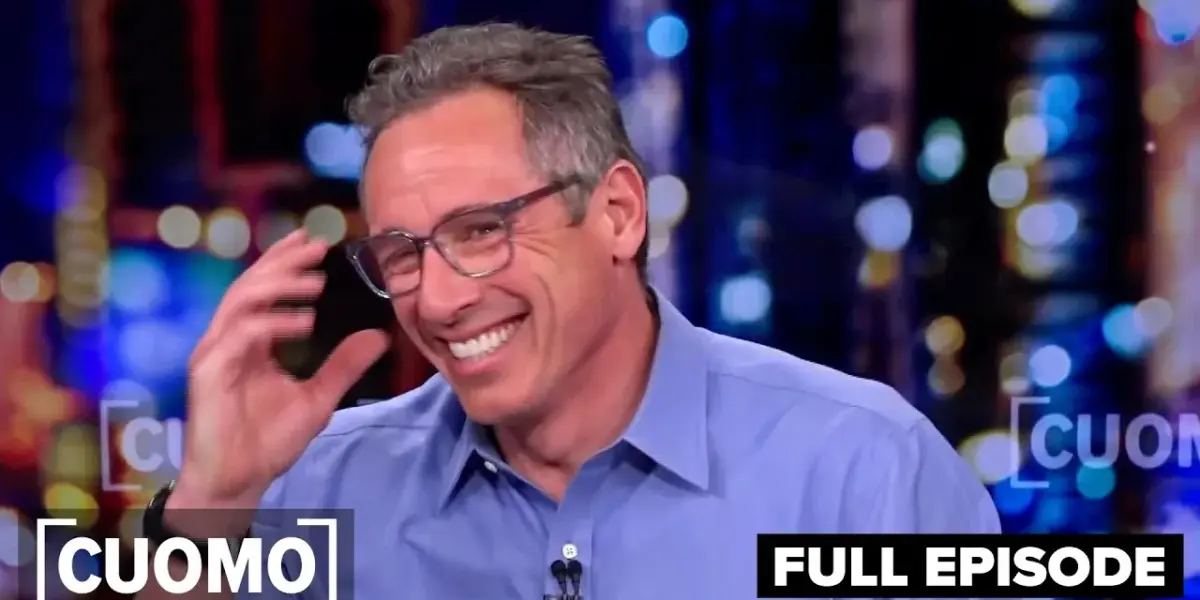
Iran’s Strategic Gambit Reshapes Middle East Security
The recent diplomatic maneuvers and military posturing between the United States and Iran reveal a complex geopolitical game where Tehran is skillfully using asymmetric tactics to counter American power. Despite U.S. military superiority, Iran’s regime has demonstrated an ability to survive and project influence, particularly by controlling key maritime routes. This strategic shift challenges traditional notions of military dominance and forces a reevaluation of regional stability.
The Strait of Hormuz: Iran’s Leverage Point
While the U.S. possesses overwhelming military might, capable of striking any target in Iran, the transcript highlights that Iran’s regime has found a different path to influence. This involves controlling the Strait of Hormuz, a critical chokepoint for global oil shipments. Iran’s ability to disrupt passage through the strait, even if temporarily, provides significant economic and strategic leverage. This is not about outright military victory, but about survival and the ability to terrorize or exert pressure, a strategy that has proven effective.
Deception and Negotiation: The Regime’s Playbook
The Iranian regime is described as expert in a particular brand of diplomacy: lying, defying, denying, and surviving. The transcript notes the regime’s request to pause energy plant destructions for 10 days, followed by regime-friendly memes mocking the idea of peace talks. This pattern of behavior suggests a deliberate strategy of feigning negotiation while continuing to assert control and sow discord. The narrative of Iran promising not to build a nuclear weapon is met with deep skepticism, seen as preposterous given the regime’s history.
Furthermore, an AI-generated video depicting Iran nuking the Statue of Liberty, framed as revenge for America’s wrongs, illustrates the regime’s use of propaganda and psychological warfare. Even when faced with U.S. military actions that have reportedly crushed Iranian assets, the regime rejects ceasefires and demands surrender. This demonstrates a consistent pattern of defiance, regardless of the military reality.
The Paradox of Negotiation
The situation creates a confusing diplomatic landscape. The U.S. president describes the regime as shrewd and smart negotiators, while also stating they are begging for a deal after being “obliterated.” This contradiction, where Iran is simultaneously portrayed as a powerful negotiator and a defeated entity seeking terms, highlights the regime’s ability to manipulate perceptions. The transcript points out that nothing has truly been “obliterated” – neither the nuclear program, the leadership, nor the regime’s core capabilities. This mirrors the regime’s own rhetoric, creating an embarrassing comparison of credibility for the U.S. administration.
Economic Warfare and Control
The control over the Strait of Hormuz is a prime example of economic leverage. The transcript mentions reports of Iran “shaking down” ships and charging a $2 million “toll” for passage, a move that undermines any claims of offering “gifts” like allowing eight oil tankers through. This suggests Iran is not merely blocking ships but actively profiting from their passage, further solidifying its control over this vital waterway.
Domestic Political Paralysis: The Government Shutdown
Beyond foreign policy, the transcript delves into the domestic political crisis of a government shutdown, specifically affecting the Department of Homeland Security (DHS). This shutdown, lasting 40 days, has led to significant disruptions, including TSA officers quitting due to unpaid wages and longer airport lines. The president’s attempt to bypass Congress by signing an emergency order to pay TSA agents is questioned for its legality, highlighting a breakdown in the legislative process.
Bipartisan Efforts and Obstacles
A bipartisan group, the Problem Solvers Caucus, consisting of Democrats like Tom Suozzi and Republicans like Brian Fitzpatrick, is working to find common ground. They propose a bill that would reform ICE, fund DHS, TSA, FEMA, and the Coast Guard, and include measures like independent investigations for use of force, body cameras, and warrant requirements for sensitive locations. This initiative aims to address specific issues within ICE enforcement and removal operations, rather than holding the entire DHS budget hostage.
However, their efforts face significant hurdles. The president’s stance on the shutdown fluctuates, and party bases on both sides are often at odds with compromise. Republicans are pressured by the president’s directives, while Democrats may see the shutdown as a form of “muscular resistance” demanded by their faithful. The lawmakers emphasize that their constituents are the true bosses, and the public is tired of partisan gridlock, wanting pragmatic solutions that help people.
The Savannah Guthrie Case: Unprecedented Personal Tragedy
The transcript also touches upon the deeply personal and unprecedented situation of NBC anchor Savannah Guthrie. Her mother’s disappearance, marked by signs of forced entry, blood, and a removed Ring camera, has plunged the family into unimaginable pain. Guthrie’s public sharing of this trauma, while excruciating, is seen as a genuine outpouring of emotion that resonates deeply with the public. The lack of resolution and the speculation surrounding the case create a unique and agonizing situation, highlighting the fragility of life and the profound impact of unresolved loss.
Max Amirali: Comedic Voice for Iranian Freedom
The segment introduces Iranian-American comedian Max Amirali, who has gained a massive following for his humor. Beyond comedy, Amirali co-founded the Alliance for a Free Iran, advocating for the removal of the current Iranian regime. He emphasizes that the fight is not just against the “bad guys” in the regime, but for the “good ones” – the Iranian people. Amirali stresses that a free Iran would contribute to greater safety and peace in the Middle East, citing attacks on neighboring countries like the UAE, Bahrain, and Saudi Arabia as evidence of the regime’s destabilizing influence.
Global Impact and Shifting World Order
The events discussed – Iran’s strategic defiance, the U.S. government shutdown, and the personal tragedy of Savannah Guthrie – collectively paint a picture of a world grappling with complex challenges. Iran’s ability to leverage its position in the Strait of Hormuz demonstrates a shift in power dynamics, where non-military tools can effectively challenge superpowers. Domestically, the government shutdown exposes deep divisions and the difficulty of bipartisan cooperation in the U.S., impacting essential services and public trust. The personal stories, like Guthrie’s, remind us of the human element amidst geopolitical turmoil. The call for freedom in Iran, amplified by voices like Max Amirali, suggests a persistent desire for change that could reshape regional alliances and global security if realized.
Source: Iran war debate; Savannah Guthrie speaks out | CUOMO Full Show 3/26 (YouTube)

Related Articles


Mexico Navigates US-China Rivalry
Mexico is caught in a geopolitical tug-of-war between the United States and China. The nation must carefully balance its economic needs and strategic interests with both superpowers. This situation highlights Mexico's growing importance in global affairs.
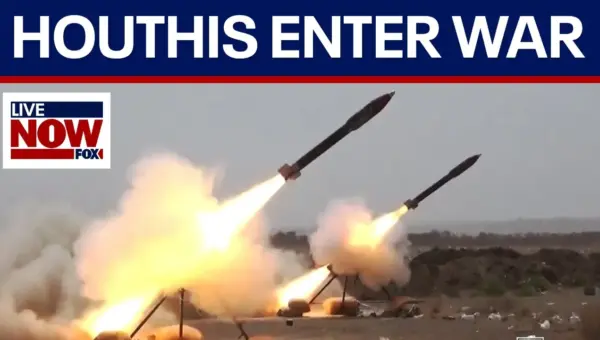
Iran-Backed Houthis Strike Israel, Escalating Regional Tensions
Iran-backed Houthi rebels have launched a missile attack targeting Israel, marking their first such strike since the current Middle East conflict began. The Israeli military confirmed the interception of the projectile. Analysts view this action as part of Iran's broader regional strategy, highlighting the regime's reliance on proxy forces amid internal weaknesses.
Europe Strikes New Trade Deals, Eyes Global Influence
The European Union is actively forging new trade alliances, notably with South American nations like Brazil, to reduce reliance on China and the US. Driven by the need for critical resources like rare earth metals and the desire to boost its own industries, Europe is making strategic concessions and seeking new markets, despite facing internal criticism and a changing global economic landscape.