Fed Rate Hike Fears Spark Stock Sell-Off
Investors are bracing for potential Federal Reserve interest rate hikes in 2026 as rising oil prices and persistent inflation clash with a slowing economy. This stagflationary concern has triggered a stock market downturn, presenting both risks and opportunities for investors.

Fed Rate Hike Fears Spark Stock Sell-Off
The stock market has experienced one of its worst weeks of the year, with investors primarily focused on falling stock prices. However, a significant shift is occurring in the bond market, which is being overlooked by many. For the first time, investors are pricing in a greater than 50% chance, specifically a 52% probability, that the Federal Reserve might need to raise interest rates in 2026, rather than cut them.
Rising Oil Prices Fuel Inflation Concerns
This change in investor sentiment is largely driven by rising oil prices and persistent inflation, occurring even as the economy shows signs of slowing. The recent U.S. action against Iran has significantly impacted oil markets. The Middle East is a critical hub for oil production and global shipping, with Iran controlling the Strait of Hormuz, a vital waterway through which 20% of the world’s oil passes. This geopolitical tension has made oil transportation more difficult and expensive.
Higher oil prices directly translate to increased costs for consumers and businesses. This means higher prices at the gas pump, more expensive diesel fuel, increased airfare, and pricier shipping costs. Ultimately, these rising expenses contribute to higher grocery bills, exacerbating existing inflation worries. Inflation was already a concern in 2026, with reports showing it was increasing before the recent attacks.
The Fed’s Dilemma: Inflation vs. Economic Growth
The Federal Reserve, the central bank of the United States, faces a difficult balancing act. Its dual mandate is to control inflation and maintain a strong economy. Typically, to combat high inflation, the Fed raises interest rates. This strategy was employed between 2022 and 2025, leading to higher mortgage and car loan rates, aimed at cooling down an overheated economy. Conversely, during economic slowdowns or recessions, the Fed cuts interest rates to stimulate growth by making borrowing cheaper.
The challenge now is that the economy is slowing down, suggesting a need for lower interest rates. However, inflation is picking up, indicating a need for higher interest rates. The Fed cannot simultaneously raise and lower rates. This creates a scenario known as stagflation, where high inflation coexists with a stagnant or slowing economy, a situation historically difficult to manage. The last time such a scenario occurred was in the early 1970s, marked by high inflation due to increased money supply and an oil crisis, leading the Fed to drastically raise interest rates to over 20% to stabilize the dollar, which in turn caused a deep recession.
Investor Reaction and Historical Parallels
Investors are now worried that a similar situation could unfold. The money printing that followed the pandemic, intended to stimulate the economy, has contributed to rising living costs outpacing wage growth, leaving many individuals financially worse off. The current oil crisis, stemming from geopolitical events, is likely to worsen inflation. This combination of factors is why investors are beginning to anticipate potential rate hikes in 2026, a sentiment that has put downward pressure on the stock market.
President Trump has expressed a desire for lower interest rates, but the Federal Reserve operates independently to protect the stability of the U.S. dollar and the economy. The current situation presents a stark choice for the Fed: prioritize fighting inflation to protect the dollar’s value, even at the risk of further slowing the economy, or prioritize economic growth, potentially allowing inflation to run higher.
Market Impact and Investor Strategy
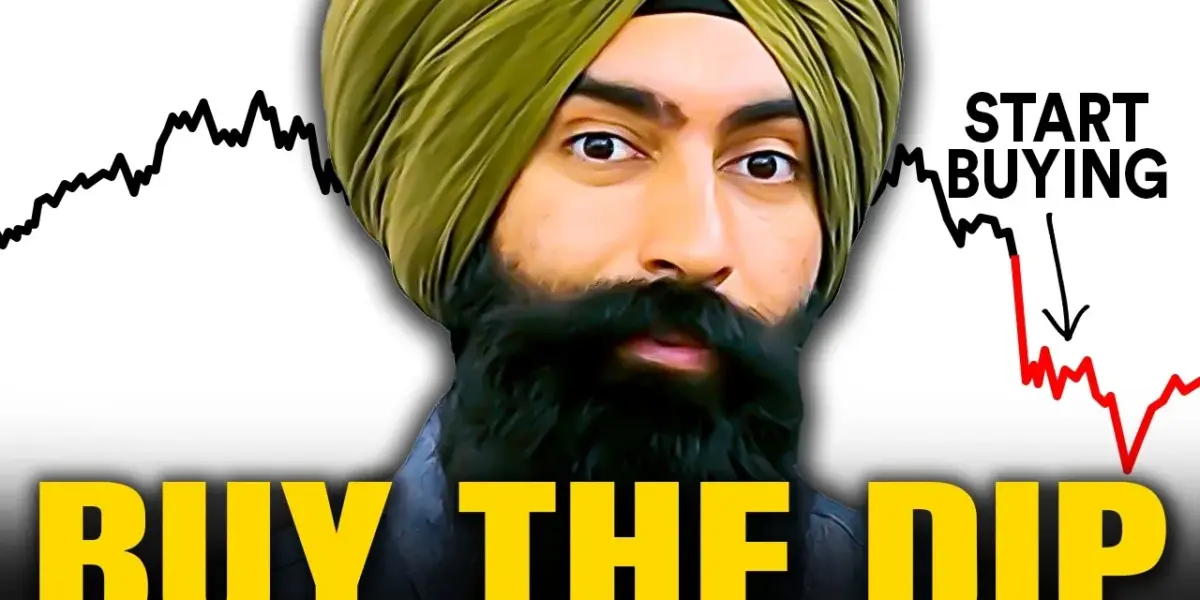
When markets fall, a common reaction is to sell investments to avoid further losses. This panic selling often locks in losses. However, history shows that market downturns can present significant buying opportunities. As legendary investor Warren Buffett advises, “Be greedy when others are fearful, and fearful when others are greedy.” Buying during market dips allows investors to acquire assets at a lower cost, potentially leading to greater returns when the market recovers.
The core principle for long-term investors is to maintain a consistent strategy, such as dollar-cost averaging. This involves investing a fixed amount of money at regular intervals, regardless of market conditions. For example, consistently buying Exchange Traded Funds (ETFs) tracking major indices like the S&P 500 or the total stock market can be an effective approach. During downturns, some investors choose to increase their buying frequency or amount.
Navigating Uncertainty
For those who prefer a more active approach, identifying specific industries or sectors poised for growth, such as those benefiting from AI or robotics, can be a strategy. When these promising investments become cheaper due to broader market declines, it can create attractive entry points. The key is to conduct thorough research and invest in what you understand and believe in, rather than reacting emotionally to market fluctuations.
The current economic climate, characterized by rising inflation, geopolitical instability, and a slowing economy, presents a complex challenge for policymakers and investors alike. While market downturns can be unnerving, they also offer opportunities for patient investors to build wealth over the long term. It is crucial for individuals to develop a clear investment strategy and stick to it, avoiding the common pitfall of selling during periods of fear.
“The reality is markets go up and markets go down. You only make money when you sell. You only lose money when you sell.”
Source: The Stock Market Just Crashed – Buy The Dip (YouTube)

Related Articles

First-Time Protester Cites War, Prices as Key Concerns
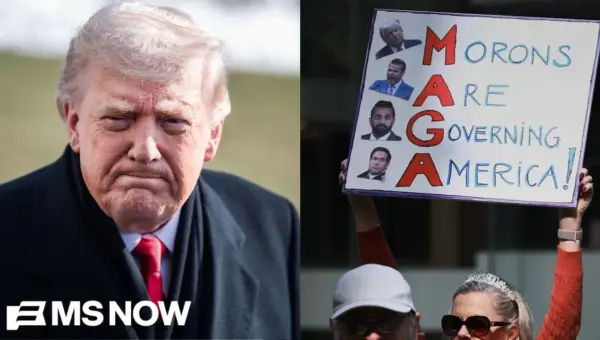
An auto technician from Louisiana, Jared McCallup, joined his first major protest, the 'No Kings' movement, citing war profiteering and rising prices as his primary concerns. He aims to be a voice for those too afraid to speak out. McCallup's experience highlights the growing economic anxieties among everyday Americans.
Middle East Conflict Fuels Global Market Plunge
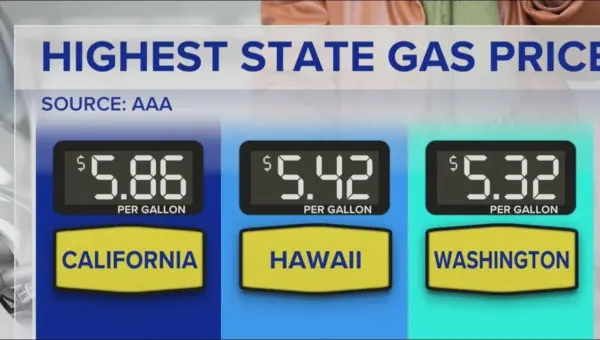
A month-long conflict in the Middle East has sent global stock markets tumbling and gas prices soaring. The disruption of oil supplies, particularly through the Strait of Hormuz, is impacting economies worldwide, with airlines and consumers feeling the immediate effects. Experts warn that prices may continue to rise, exacerbating pre-existing economic weaknesses.


Tiger Woods Arrested for DUI After Crash
Golf legend Tiger Woods was arrested for DUI in Florida following a dramatic rollover crash. Meanwhile, a government shutdown continues as House Republicans block a Senate deal, leading to airport chaos and TSA worker pay issues. The stock market also plummeted into correction territory amid fears of a prolonged Iran conflict.